
Terre / Mer / Signal – Espace Gantner
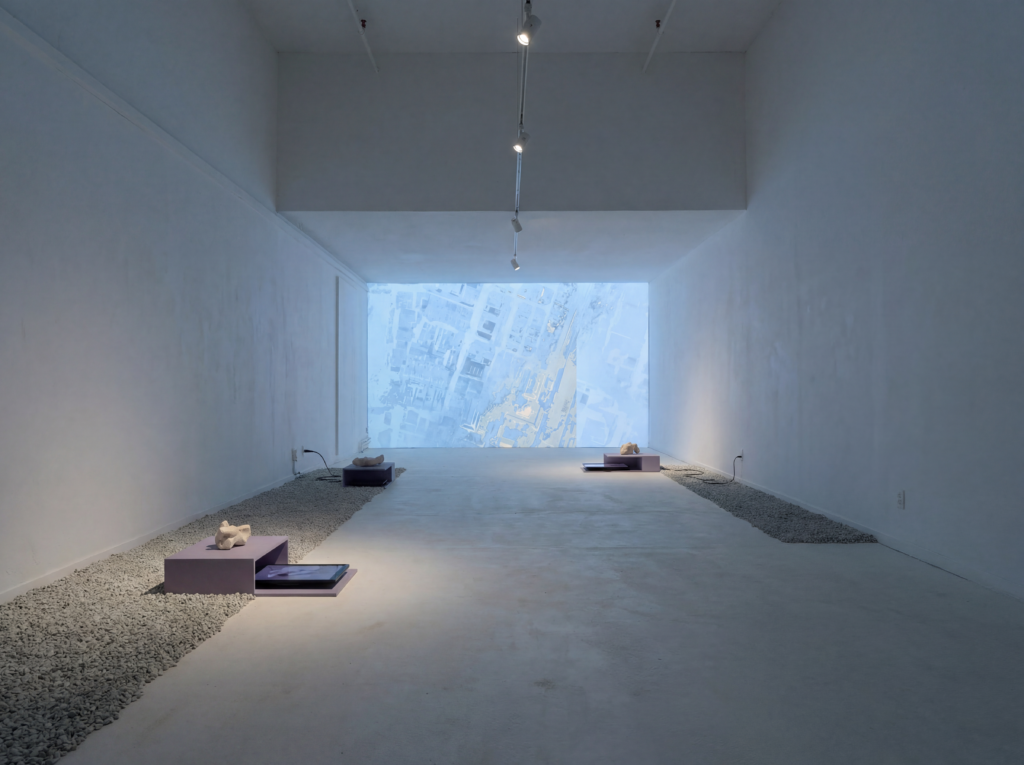
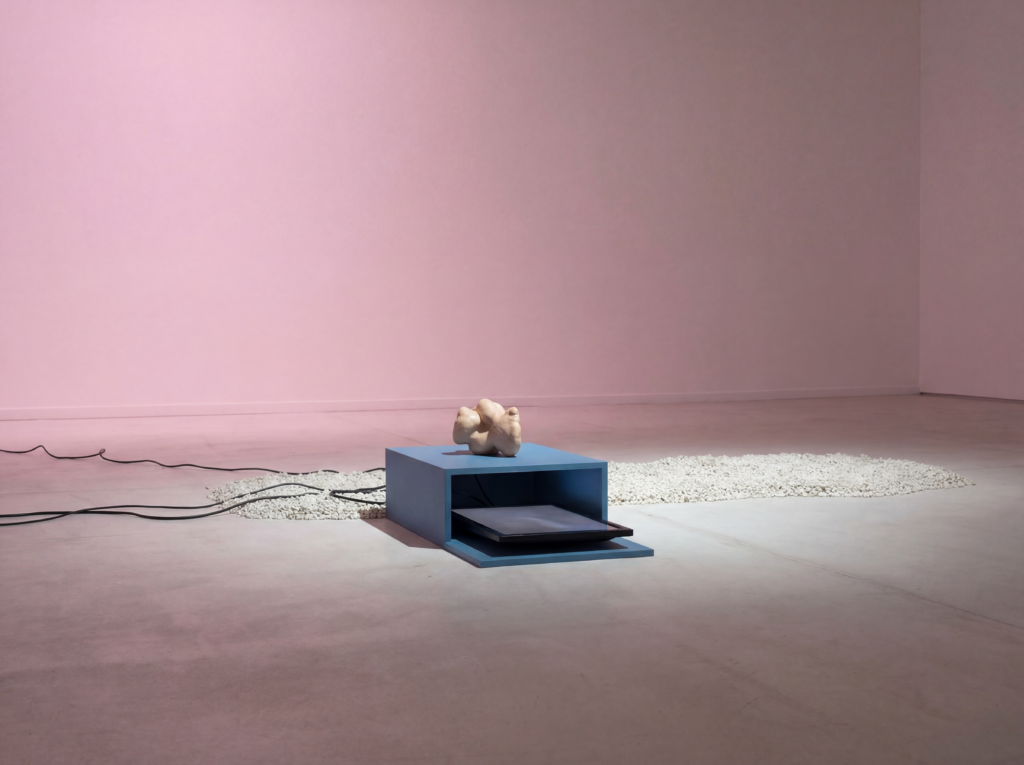
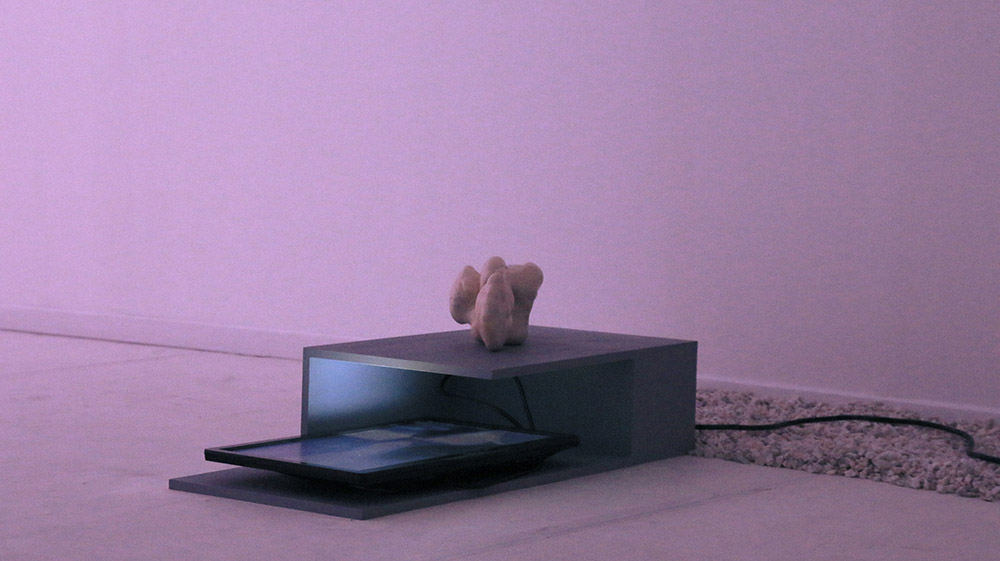


Espace Multimedia Gantner: 7 avril au 7 auillet
From aerial satellites to submarine cables, network infrastructure and algorithmic software are ubiquitous and invisible. Today’s Internet infrastructure is made up of complex adaptive systems, from data centres and software protocols to coltan mines and assembly line workers, linking the flow of information from satellites to the smartphones in our hands.
We are firmly embedded in these structures – sites of endless flow and transformation through hardware and software upgrades, and intelligent algorithms that observe data and make decisions. They affect our online dating profiles, transact in the financial markets, discern our credit scores and optimize our cities, playing an increasing role in the exercise of power and the restructuring of society. Everything we do affects or is affected by infrastructure. But what is the need for the current infrastructure for cultural production, and what kind of users do we want to be?
Land / Sea / Signal explores how we understand and comprehend these spaces because their image is constructed by the friction between people, machines, interfaces, data and infrastructure. By considering the complex entanglements between environmental and socio-political conditions that are involved in the configuration of infrastructure space, the artists in this exhibition bring a new understanding of infrastructure and its materialities. They connect to geographies, protocols, economic markets and communication networks, constructing a discursive space of practice that aims to move beyond critical concerns of these issues to the imagination and speculation of the potentialities of what infrastructure might be.
–
Commissaire de l’exposition: Nora O Murchú
Des satellites aériens aux câbles sous-marins, les infrastructures réseau et les logiciels algorithmiques sont omniprésents et invisibles. L’infrastructure Internet d’aujourd’hui est constituée de systèmes adaptatifs complexes; ils englobent les centres de données, les protocoles logiciels, les mines de coltan et les travailleurs des chaînes de montage; relier le flux de l’information rayonnant des satellites aux smartphones dans nos mains.
Nous sommes fermement ancrés dans ces structures – des sites de flux et de transformation sans fin grâce aux mises à jour matérielles et logicielles, et à des algorithmes intelligents qui observent les données et prennent des décisions. Ils affectent nos profils de rencontres en ligne, font des transactions sur les marchés financiers, discernent nos scores de crédit et optimisent nos villes, jouent un rôle croissant dans l’exercice du pouvoir et la restructuration de la société. Tout ce que nous faisons touche ou est touché par l’infrastructure. Mais quel est le besoin de l’infrastructure actuelle pour la production culturelle, et quel type d’utilisateurs voulons-nous être?
Land / Sea / Signal explore comment nous comprenons et comprenons ces espaces car leur image est construite par les frictions entre les personnes, les machines, les interfaces, les données et l’infrastructure. En considérant les enchevêtrements complexes entre les conditions environnementales et socio-politiques qui sont impliquées dans la configuration de l’espace d’infrastructure, les artistes de cette exposition apportent une nouvelle compréhension de l’infrastructure et de ses matérialités. Ils se connectent à des géographies, des protocoles, des marchés économiques et des réseaux de communication, construisant un espace discursif de pratique qui vise à dépasser les préoccupations critiques de ces questions pour aller vers l’imagination et la spéculation des potentialités de ce que pourrait être l’infrastructure.
