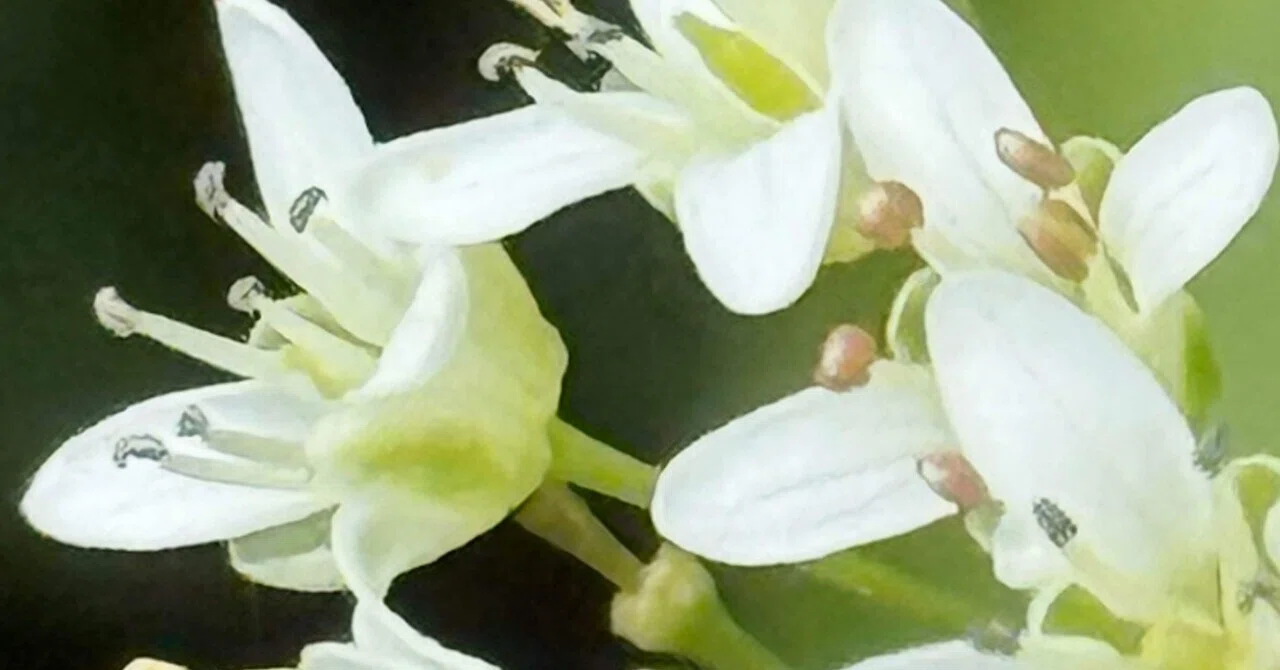
ナミダ 業界用語でこう呼ばれる植物

涙 (ナミダ)
フウチョウソウ目、アブラナ科、ワサビ属
この白い4枚花弁の特徴的な花はアブラナ科に属す
特徴となっており、ワサビの花である。
この『涙』(ナミダ)は、ワサビを指した名称であり
寿司屋業界に於ける『隠語』による名称となる。
寿司飯を使って握られる今の寿司のスタイルが世に
生まれたのは江戸時代後期と云われており、寿司屋
ならではの世界に、隠語が文化として生まれた。
この隠語が生まれたその背景には、寿司職人である
板前と客とが、カウンター越しに対面するスタイル
から生まれたもので、発注されたものに対し直接的
な表現を避けながら、厨房内の職人同士による情報
伝達を円滑にする為に生まれたものでもあり、また
江戸前寿司の粋な文化を反映したもので職人同士や
常連客にも伝わる世界観が演出されたものである。
そんな隠語について、代表的なものの解説をここに
五十音順に並べ、記載しておく。
『上がり』 (アガリ)
寿司を食べ終わった後に出される『お茶』の事であり
その語源は芝居用語である『上がり花』からの由来で
『最後』を意味し付けられた。
『御愛想』 (オアイソ)
『会計』を意味する言葉。『代金を頂くなど愛想なく
申し訳ありません』が、その語源である。それゆえ
本来は、客から『おあいそ』と発するのは不自然な
言葉なのである。
『朧』 (オボロ)
『甘く煮た白身魚のそぼろ』の事。柔らかく細かい
をオボロに掛け合わせたもの。江戸前寿司の調理
の技法を表している。
『河童』 (カッパ)
戦後の食糧に困った時期に、寿司職人が容易に手に
入れられた食材として『胡瓜』(キュウリ)を使った
ものである。妖怪の『河童』(カッパ)の好物として
また、河童巻きの断面が河童の頭のお皿にも見える
と巷を喜ばせたのである。
『ガリ』
甘酢生姜を指す言葉。これを食べる時の『ガリガリ』
とした音や食感から付けられたものとなる。
『下足』 (ゲソ)
『烏賊(イカ)の足』のこと。これも寿司専門用語と
して生まれた言葉である。
『舎利』 (シャリ)
『酢飯』を意味する言葉、仏教用語に於ける『舎利』
が語源で、これは『仏様の骨=神聖・大切なもの』
を表す。寿司に大切な白い酢飯と掛けたもの。
『ツメ』
鰻(ウナギ)、穴子(アナゴ)に掛ける『甘だれ』を
指す言葉となる。『甘く煮詰め作ったタレ』を略し
この言葉となっている。
『鉄火』 (テッカ)
その昔、『鉄火場』(賭博場)にて『マグロの細巻』が
よく食べられた事に由来してついた名称となる。
『トロ』
『脂身の多い鮪(マグロ)の部位』のことを指す言葉
であり、その食感が舌の上でトロトロに溶けていく
のを表した言葉。
『涙』 (ナミダ)
『山葵』を食べるとその刺激によって鼻がツンとなり
『涙』が出る事に由来。常連客の『ナミダ多め』発注
は、即ち『ワサビ多め』の意味となるのである。
『ネタ』
寿司の『具材となる魚』の事を指す。これは寿司の
『種』(タネ)を逆さまにし、『ネタ』と表現したもの。
この逆さま言葉はテレビ業界でもよく使われている
ものでもある。
『紫』 (ムラサキ)
『醤油』(ショウユ)を指す。江戸前寿司に使われた
江戸時代の醤油は赤褐色で、『紫色』がかっていた
為と、その色が高貴を表すものとして定着した。
植物の名称も面白いが、今回は寿司用語について
解説してみたが、こちらもなかなかに奥が深くて
楽しいものである。
Namida (ナミダ)
Order: Brassicales
Family: Brassicaceae
Genus: Wasabia
This distinctive four-petaled white flower is a
characteristic feature of the Brassicaceae family,
and it belongs to the wasabi plant.
The term “Namida” (meaning “tears”) refers to
wasabi in the context of sushi culture. It is a term
born from the secret language (argot) used in the
sushi industry.
It is said that the current style of sushi—formed
by hand using vinegared rice—originated in the
late Edo period. Within this unique world of sushi,
a specialized jargon naturally developed as part
of the culture.
This coded language was created as a result of
the face-to-face interaction between sushi chefs
and customers across the counter. It allowed
chefs to communicate smoothly without using
direct expressions in front of customers. It also
reflects the refined culture of Edo-style (Edomae)
sushi, creating a world of shared understanding
between chefs and regulars alike.
Below is an alphabetical list of representative
sushi-related terms, along with their explanations:
Agari (アガリ)
Refers to the tea served after eating sushi.
The word comes from a theatrical term
“agari-bana,” which indicates the end or finale.
Oaiso (オアイソ)
Means the bill or payment. The origin lies in the
humble expression, “I’m sorry for being impolite
by asking for payment.” Therefore, it’s technically
improper for the customer to say “oaiso,” even
though it is commonly heard.
Oboro (オボロ)
Refers to sweetly simmered, flaked white fish.
The term plays on the soft and fine texture,
reflecting a traditional Edo-style sushi preparation
technique.
Kappa (カッパ)
A cucumber roll. During food shortages after
WWII, cucumber was a readily available ingredient.
The term refers to the mythological creature
“kappa,” which is said to love cucumbers. The
cross-section of the roll was also said to resemble
a kappa’s dish-like head, bringing joy to the public.
Gari (ガリ)
Refers to pickled ginger. The name comes from
the crunchy “gari-gari” sound when eaten.
Geso (ゲソ)
Means squid legs. A term born specifically for
use in sushi.
Shari (しゃり)
Refers to vinegared rice. The term originates
from the Buddhist word “shari,” which refers
to the remains (bones) of the Buddha, symbolizing
something sacred and precious—just like the
essential vinegared rice in sushi.
Tsume (つめ)
Refers to a sweet glaze sauce used on eel (unagi)
and conger eel (anago). It comes from the
abbreviation of “nitsume,” meaning a sauce that
has been simmered down.
Tekka (てっか)
A thin sushi roll with tuna. The name originates from “tekkaba” (gambling dens), where this type of roll was commonly eaten.
Toro (とろ)
Refers to the fatty part of tuna. The name
comes from the way the rich fat melts
(“toro-toro”) on the tongue.
Namida (なみだ)
Wasabi. The term comes from the way the
pungent heat makes your nose sting and brings
tears to your eyes. A regular might say “extra
namida,” meaning they want more wasabi.
Neta (ねた)
The fish or ingredient placed on top of the rice.
This term is a reversal of the word “tane”
(meaning “ingredient”), used to obscure its
meaning. Such reverse language is also common
in the TV industry.
Murasaki (むらさき)
Refers to soy sauce. Edo-period soy sauce used
in Edo-style sushi had a reddish-purple hue.
The term “murasaki” (purple) also came to
represent elegance and nobility.
While the naming of plants is fascinating, the
world of sushi terminology is equally rich and
entertaining in its depth.
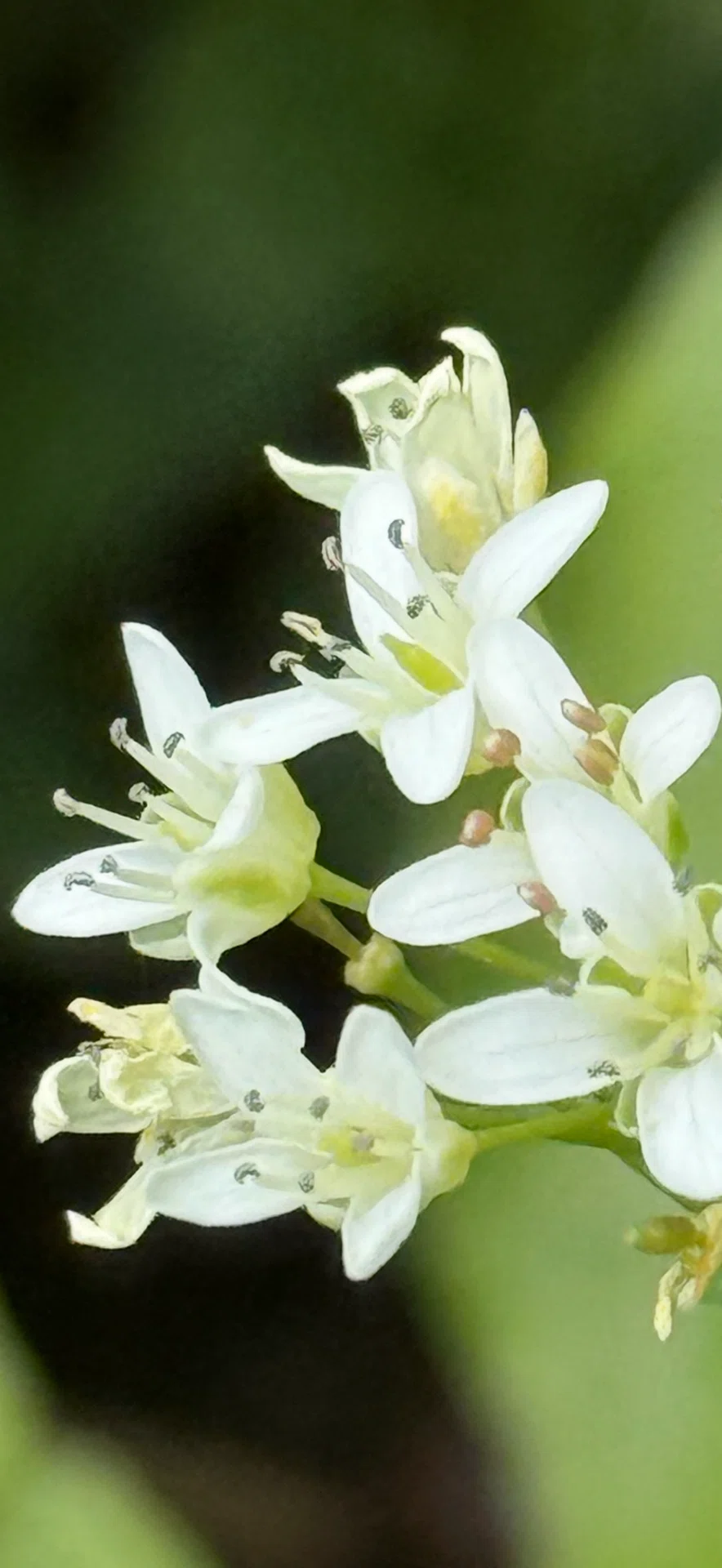
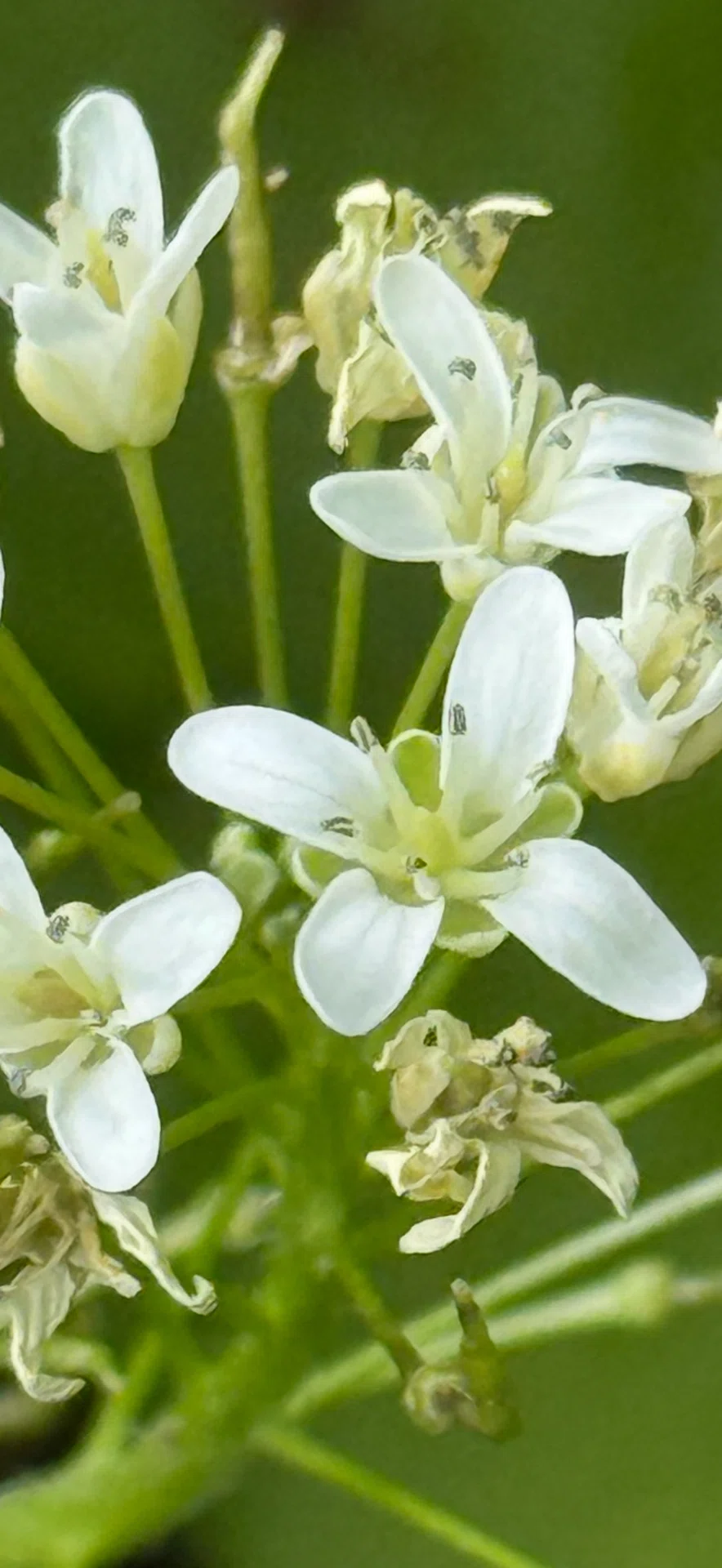
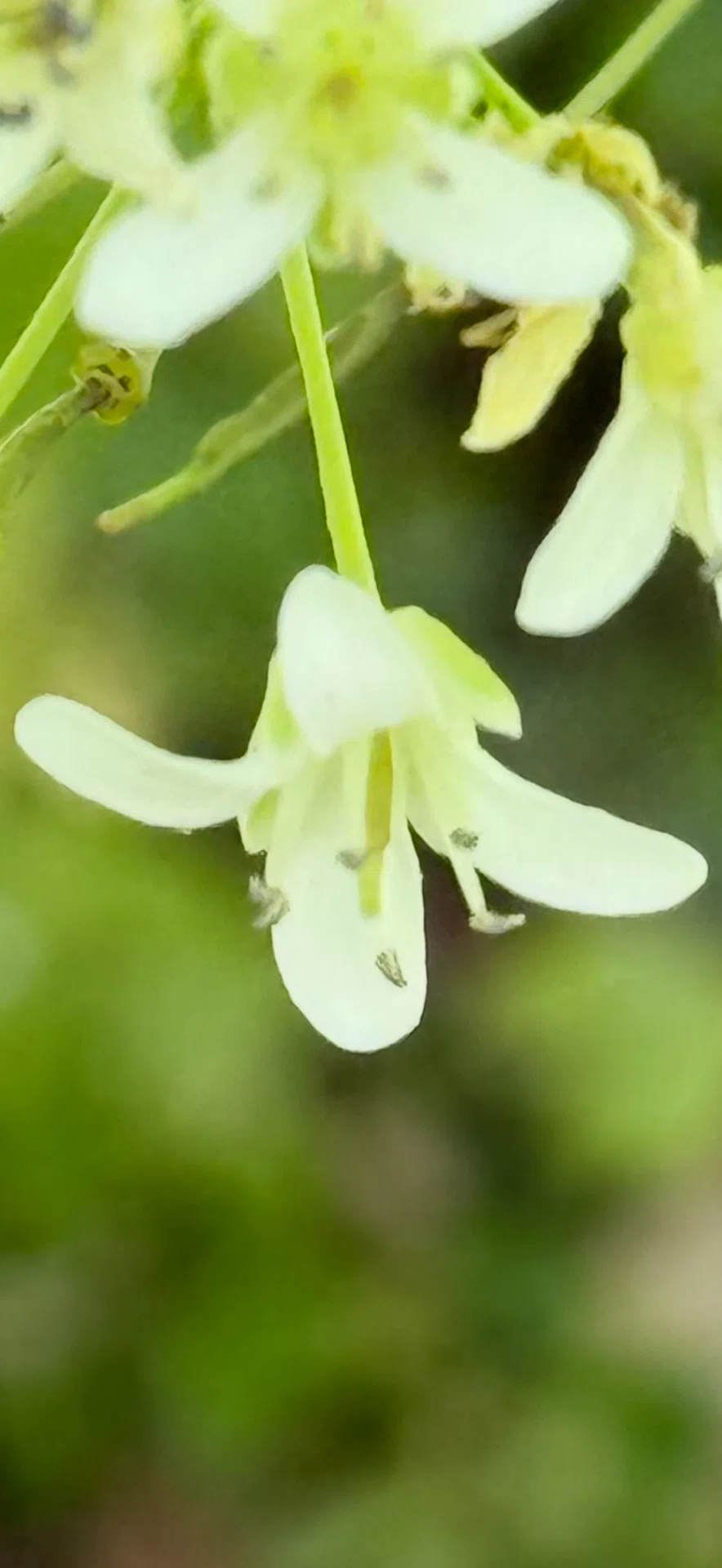
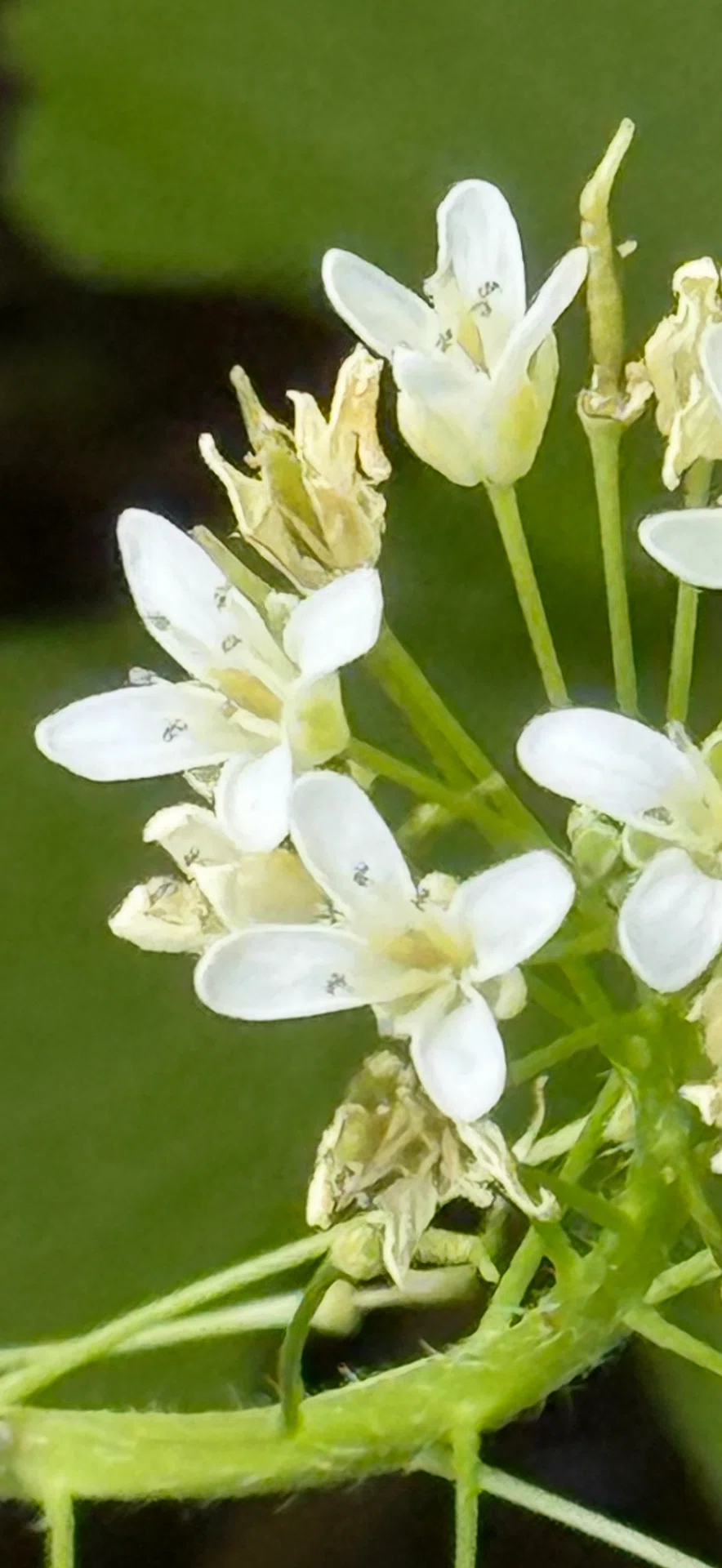
和名 山葵 (ワサビ)
山萮菜 (ワサビ)
涙 (ナミダ) ※寿司業界名
洋名 WASABI (ワサビ)
ジャパニーズ ホースラディッシュ
(JAPANESE HORSERADISH)
学名 ユートレマ ジャポニカム
(EUTREMA JAPONICUM)
分類 フウチョウソウ目、アブラナ科、
ワサビ属
種類 多年生植物
草丈 20〜80cm
開花 春〜夏
花色 白
花径 3mm
原産 日本
言葉 実用
目覚め
嬉し涙
撮影 六甲高山植物園
■■■■■■■■■■■■■■■■■■■■■■■■■■■■
#山葵
#山萮菜
#ワサビ
#WASABI
#涙
#ナミダ
#ジャパニーズホースラディッシュ
#JAPANESEHORSERADISH
#ユートレマジャポニカム
#EUTREMAJAPONICUM
#六甲高山植物園
#寿司業界隠語
■■■■■■■■■■■■■■■■■■■■■■■■■■■■
