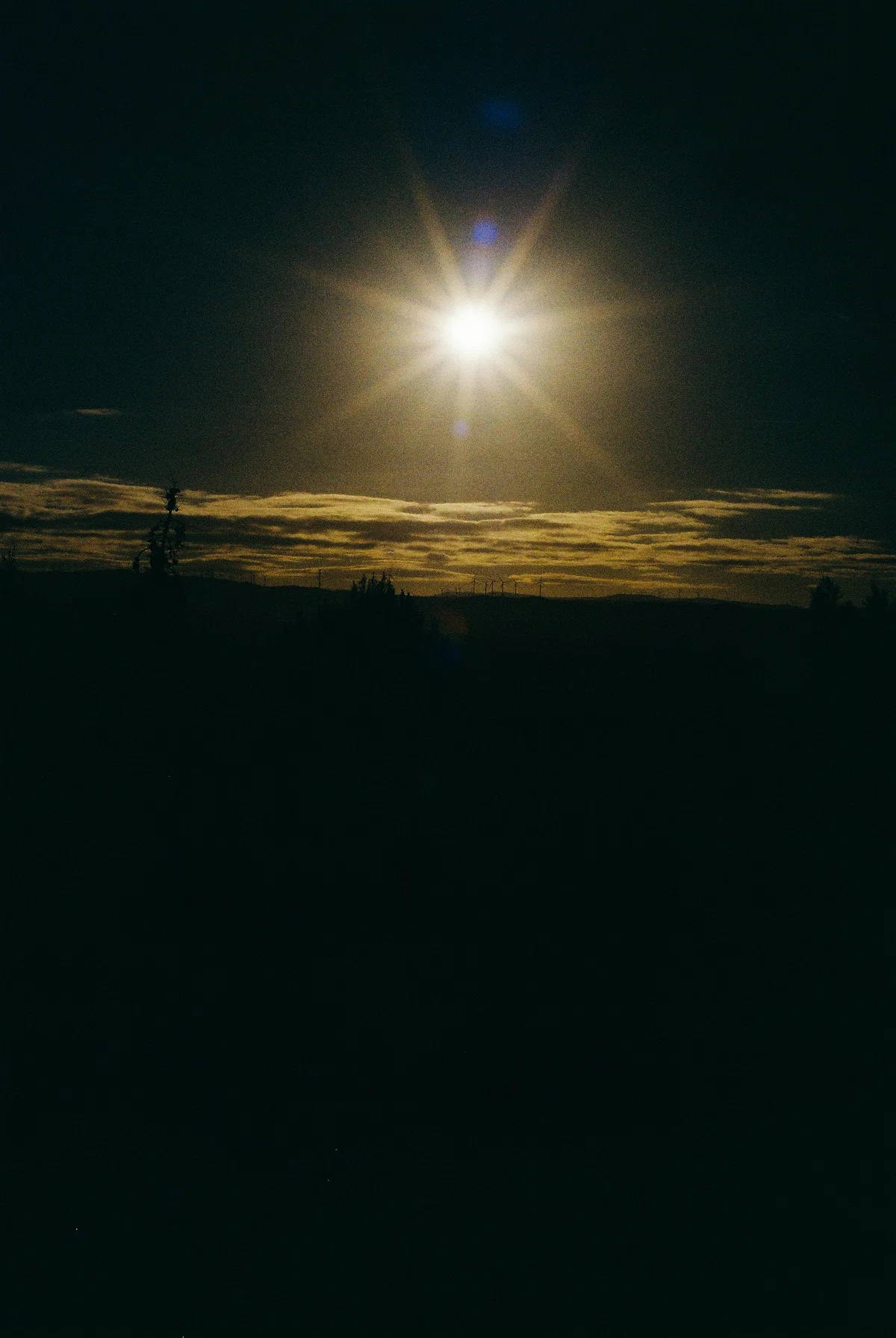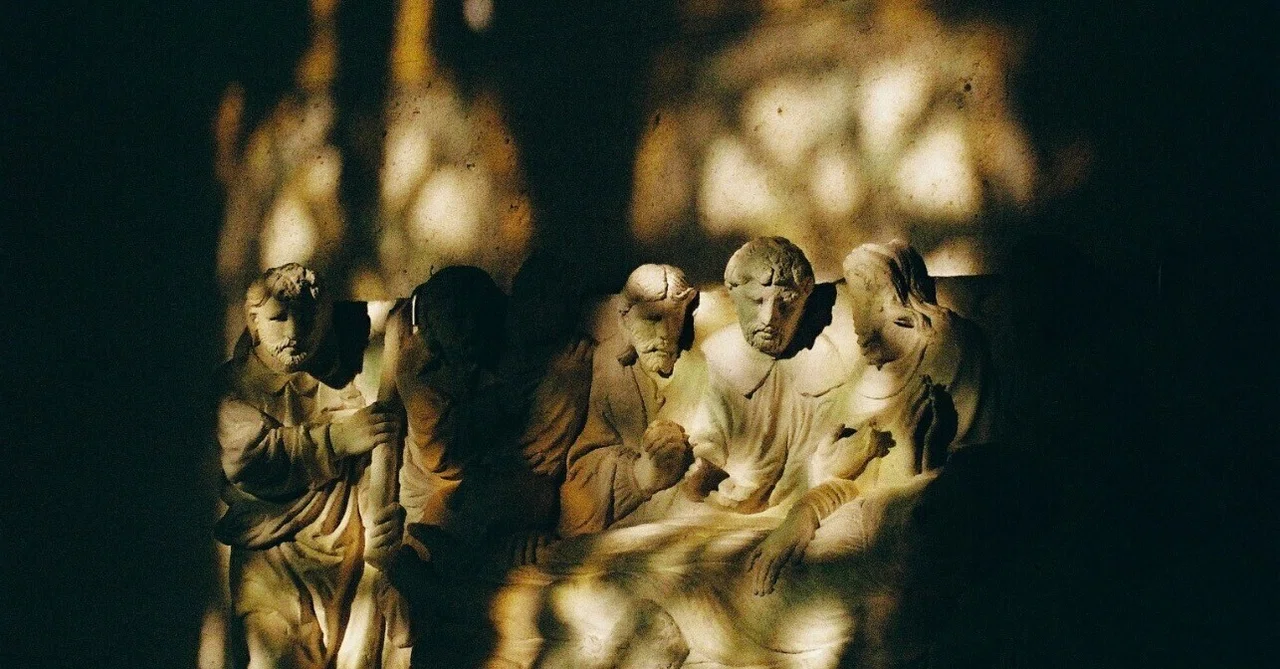
巡礼から帰って1週間くらい経った頃に1時間くらいで書き殴った文章

人間の身体はどの状態が常態なのだろうということを考える。よく座っている姿勢は長時間続くと身体に良くないだとか、本来人間の仕事は農作業をしたり、体を動かすことだとも聞くしそうだとも思う。
でも人間の常態は歩くことなのでは?
カミーノ旅で毎日平均26kmを32日間で約800km をあるいたけれど、これは別にすごいことでも何でもないことだと思った。(気づいた)10万年以上前に現生人類がアフリカから出て、大陸を移動した説があるみたいだが、人類の身体?人間の体のつくり?は元々歩くために作られた変化した身体なのじゃないかと800km歩いてみて思った。足が欠損しているとか、障害がない限り人には本来歩いて進んでいける力が、機能がそもそも備わっていて、(でも障害があっても何かしらの方法で、助けを借りて、その人のペースを守れば一歩ずつ進めると思った)それは太古の昔の自分の祖先の祖先のそのまた祖先の猿人までさかのぼって(笑)行くと我々の根本の土台の、身体の、魂の、何かに、すべてに刻まれていることなのでは、などと考える。私の思考の癖は、根源のそのまた根源を知りたくて、それだけを目指してしまうところがあるので、進化なんて単純なことではもちろんないだろうし、根源を求めて、それをすべてだと捉えるのもかなり安易だとは思いつつも、歩くことの行為と、それが私自身に与える作用を800km歩いてみて体感し、考えてみると流石にこの人間が人類が歩き始めたことの謎と不思議さと、そしてそれが2025年になった今の私にも連綿と続いているということをはっきりと思った。そもそもカミーノ旅に行きたいと思ったのもひとつ歩くことがすきで、歩くとなぜこんなにも身も心も喜ぶのだろうと良く考えていたからであった。旅先で、毎日の犬の散歩で、人と喋りながら歩く時に、移動のときに。いきいきする。身体の声と心の声の淀んだ停滞が消えてモヤ(靄、漢字で書くとすごい)が晴れる。それがなぜだかが知りたいことの一つとして、思いつきでスペインの巡礼の旅に出たのだが、巡礼の旅をなめていた。そんな思考をする暇もなくあらゆることが起こり、毎日自分の感情を揺さぶる出来事が次々と私の前に立ち現れては後進していった(過去になっていった)。
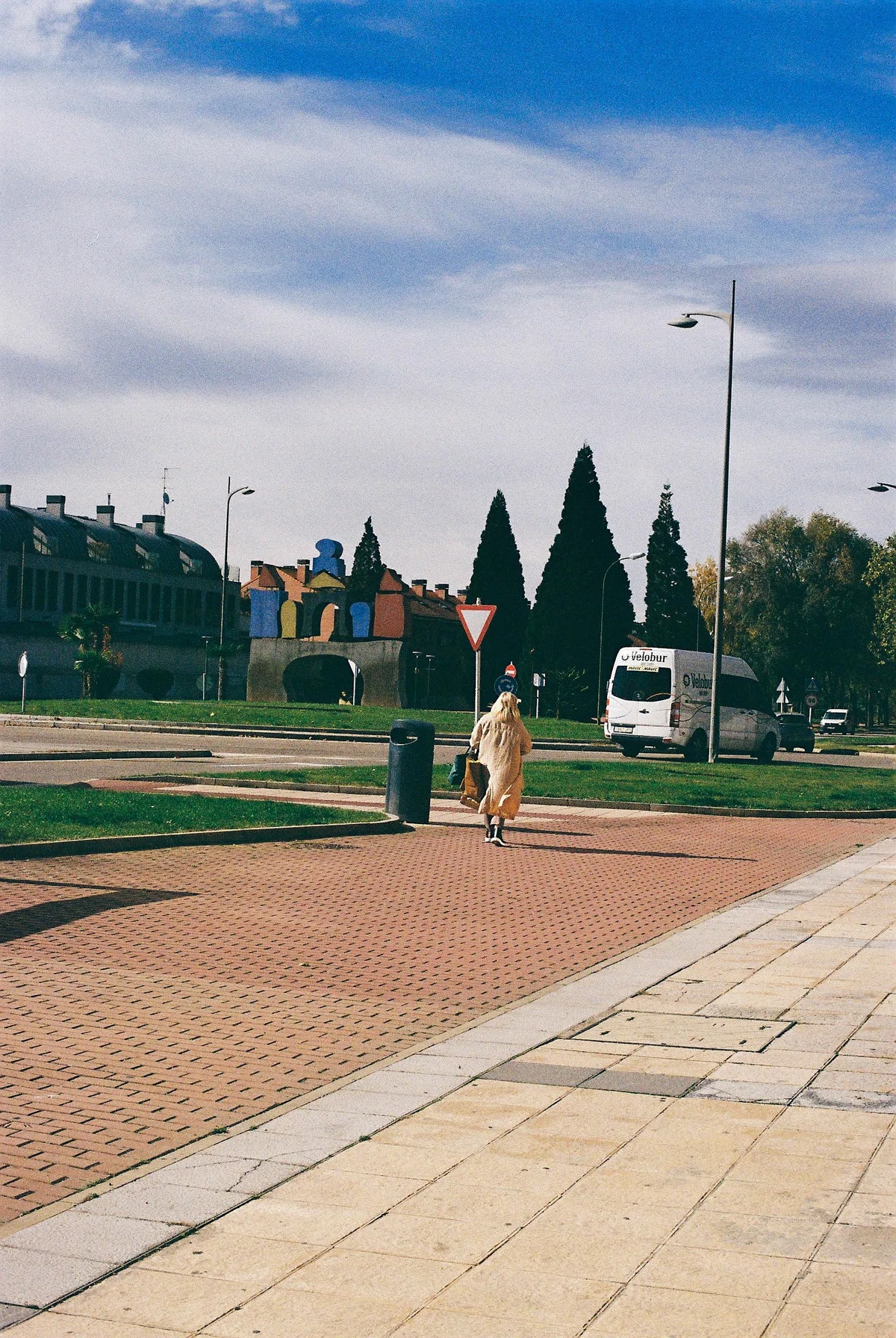
どこかでみたけど、カミーノ旅は人生の縮図で、魂が生まれ変わる的なことが書かれていたけれど、毎日朝起きて次の目的地の街へと 20km、30kmを歩き、疲れたら途中のbarに寄ってコーヒーを飲んだりトルティージャを食べて休憩したり道の途中のベンチに座ったりして、りんごやバナナや、大量のクッキーを、食べ歩き続け、午後くらいにアルベルゲ(巡礼宿)に着き、シャワーを浴びて、その日の汚れと疲れを落としその日の疲れをリセットする。夜はbarに行ったり、教会に行ったり街を散策したり、みんなとご飯を作ったりして夕食を済ませ、人と会話をし眠る。やることがシンプルでとても癒される。ただ歩く、エネルギーを得て眠り、翌朝また次の目的地に向かうために歩く。
思考は脳の中で行われるものじゃない。身体の中の臓器、細胞、脈々、、全部が一斉に動く。
なぜ?何を原動として、何を元にして、何を発端にして、この身体は動くのだろう。
歩いていると自分のその一歩一歩の動きと同時に共に世界が展開する。景色と私が連動する。これなのでは?歩くことが癒し、あるいは力を与える理由のひとつは。世界と接続し、共に在ること、それを感じることのできる方法の一つとして。
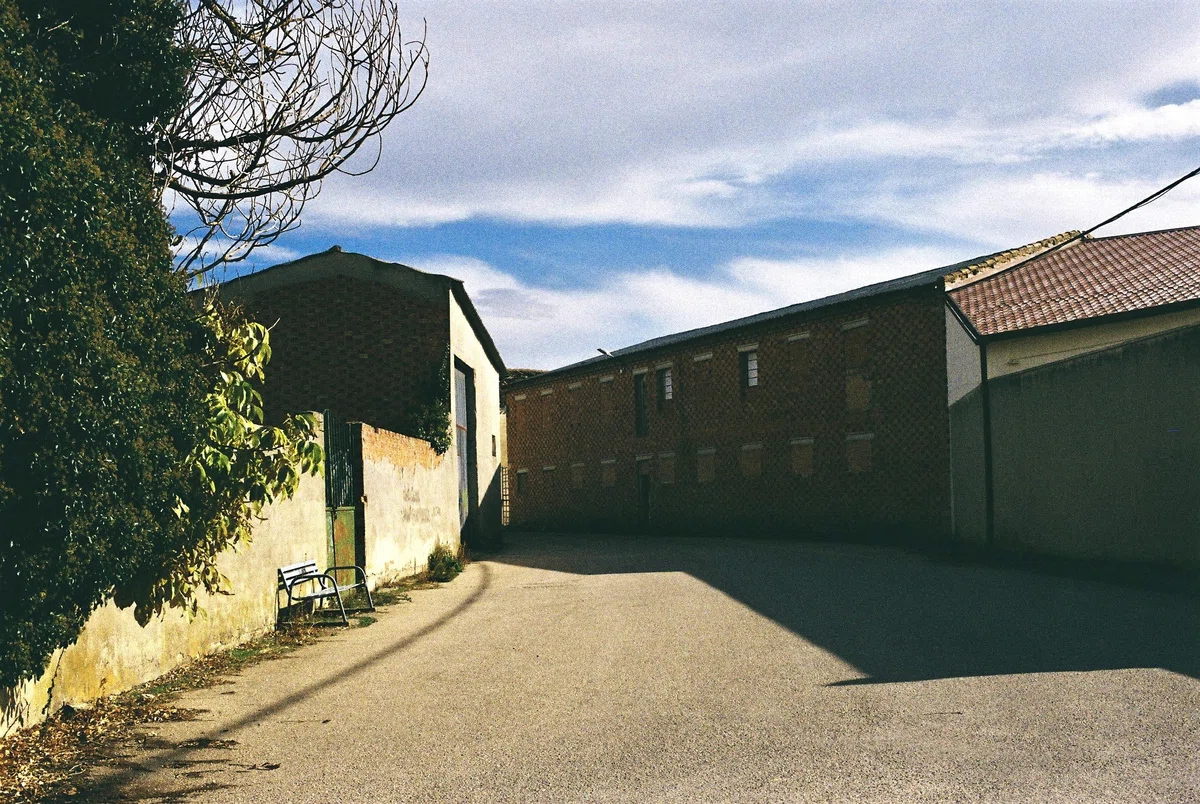
毎日Google Mapをチェックしていた。今日の町までは、何時間かかるのかと。
車で23分、徒歩で6時間の表示。これは一体どういうことなのか?とても不思議な気持ちになった。そのことを歩きながら考えていた。車での移動はA地点からB地点への通過にしか過ぎない。そこには移動した距離とそれにかかった時間しか存在しない。ただのカウントである。
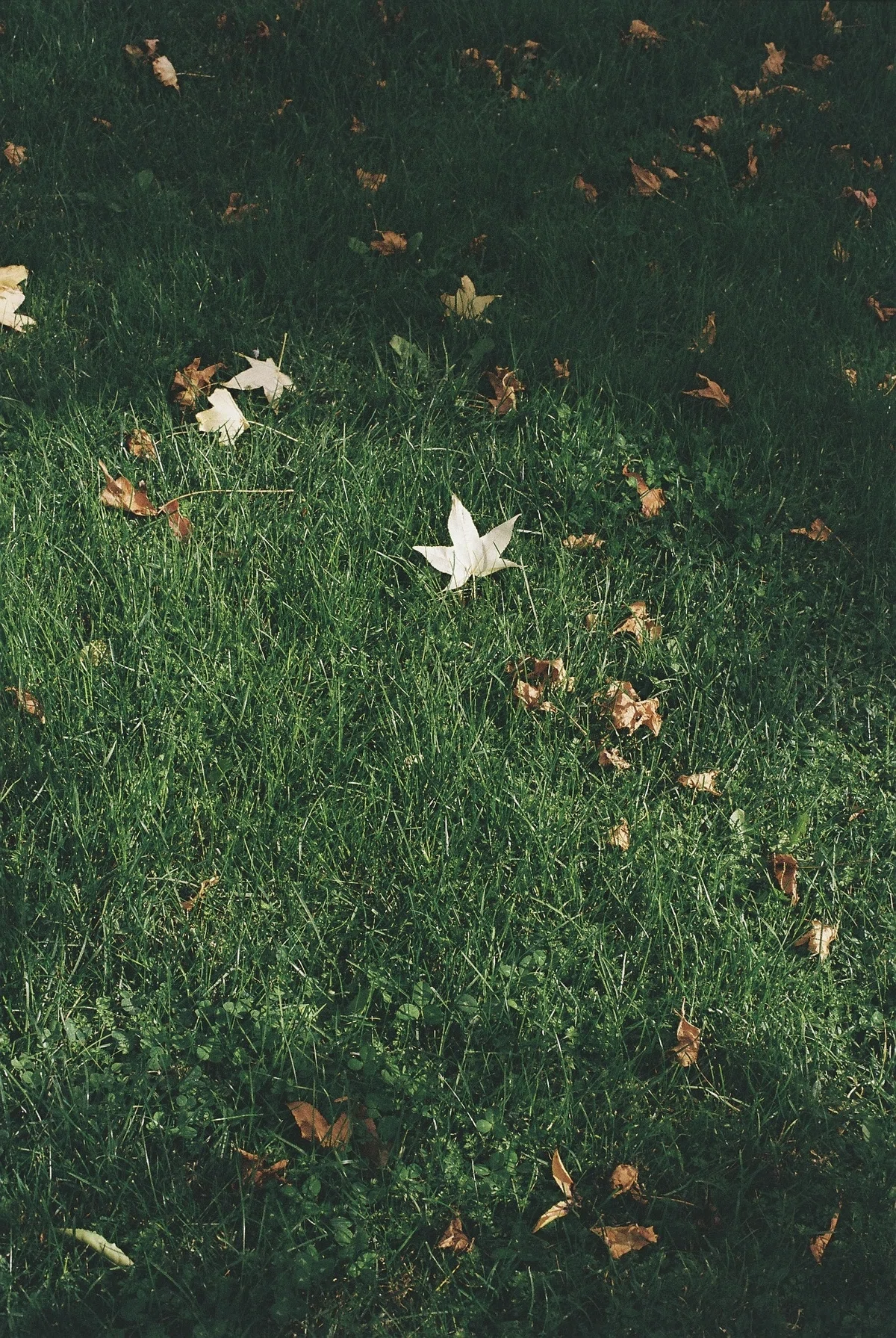
以前私は、この世界はたくさんの画像が一枚一枚展開されているだけなのでは?と考えたことがあった。歩くことは先ほど書いたように、自分のすべて(魂、細胞、臓器、骨、脳、身体の全て)を動かし、それとともに世界が展開して、その一歩一歩と同時に瞬間瞬間が目の前に出現し、世界が私の目の前にはっきりと出現し自分と共に在ることを実感する。その体験は言葉ではうまく言えないけれど永遠がここに存在しているのかも、時間を越えて。その永遠の時間があればあるほど、人の魂はよろこび、生き返るのかもと思った。歩くことは最も身近にそのことを実現してくれることなのかもしれない。
——1ヶ月経って加筆
アストロガのアルベルゲで聖職者と巡礼者での談話時間があった(自由参加)。そこで聖職者からの問いが投げかけられた。なぜあなたはカミーノの旅に来たのか?なぜ人は歩くのか?参加者は聖職者やボランティアを含め10名ほどだった。それぞれがなぜ巡礼をしようと思ったかの話を聞けることはすごく有意義だった。私はこういう時間が大好きだと思う。私の番になり、なぜこの旅に来たのか、歩くことについては、上に書いている、ただの地点から地点への移動には時間しか流れていないこと、歩くことは一歩一歩と世界が連動して永遠が流れている、と考えたことを簡単な英語で話した。参加者の一人のアメリカから巡礼旅をしに来てそれを終えて、ボランティアでアルベルゲの手伝いをしている70代の男性が私のこの話を聴いて「humanity」と一言発した。その時はあまり詳しい意味はわからなかったけど、humanity という言葉が出てきたことが、私が持つhumanity という単語のイメージが先行して少し意外だったけどなぜだかしっくり来た。そしてそのとき「humanity 」と言った彼の声と、穏やかな確信を持った表情が頭から離れない。
後でhumanity の意味を調べた。
人間性、人の属性、人類、人間愛、慈愛、慈悲、人情、親切、慈善行為。
わたしが1番体感でしっくり来たのは、”慈悲”だった。私にとってめちゃくちゃ良い問いを、私の思いもよらないところから投げかけてもらえた気がした。(キリスト教の慈悲と、仏教の言う慈悲の違いや自分の感覚も含め)
I think about what state of the human body is its “normal” state. It is often said that sitting for long periods is not good for the body, and that human work was originally farming or physical labor—moving the body—and that does seem true.
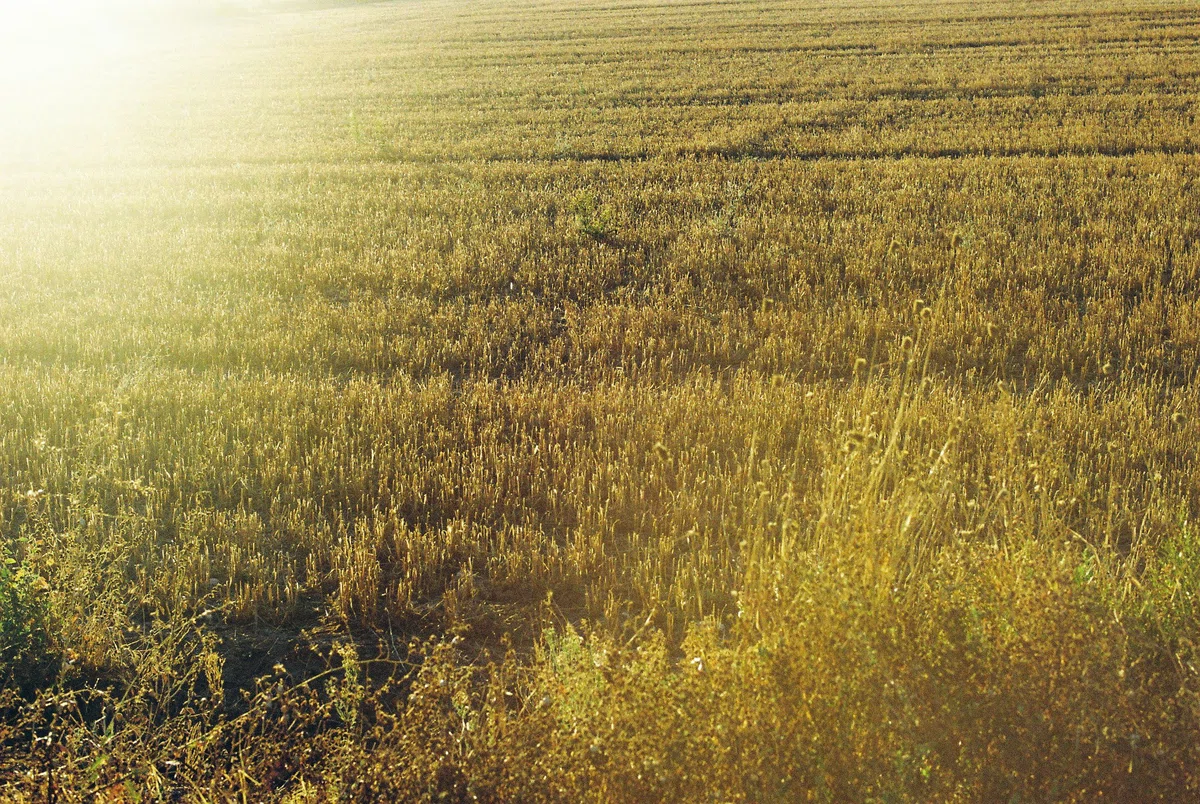
On the Camino, I walked an average of 26 km a day for 32 days, about 800 km in total, but I felt that this was not anything particularly remarkable. (That was my realization.) There is a theory that modern humans left Africa more than 100,000 years ago and migrated across continents, and after walking 800 km, I felt that the human body—its structure—may originally be a body that changed in order to walk. Unless one is missing a leg or has a disability, humans basically have the strength and the function to keep walking forward. (And even with a disability, I felt that with some kind of method, with help, and by keeping one’s own pace, it is still possible to move forward step by step.) If you trace this back to our ancestors’ ancestors, all the way to early hominins (laughs), it feels like something fundamental—of the body, of the soul, of everything—is engraved there.
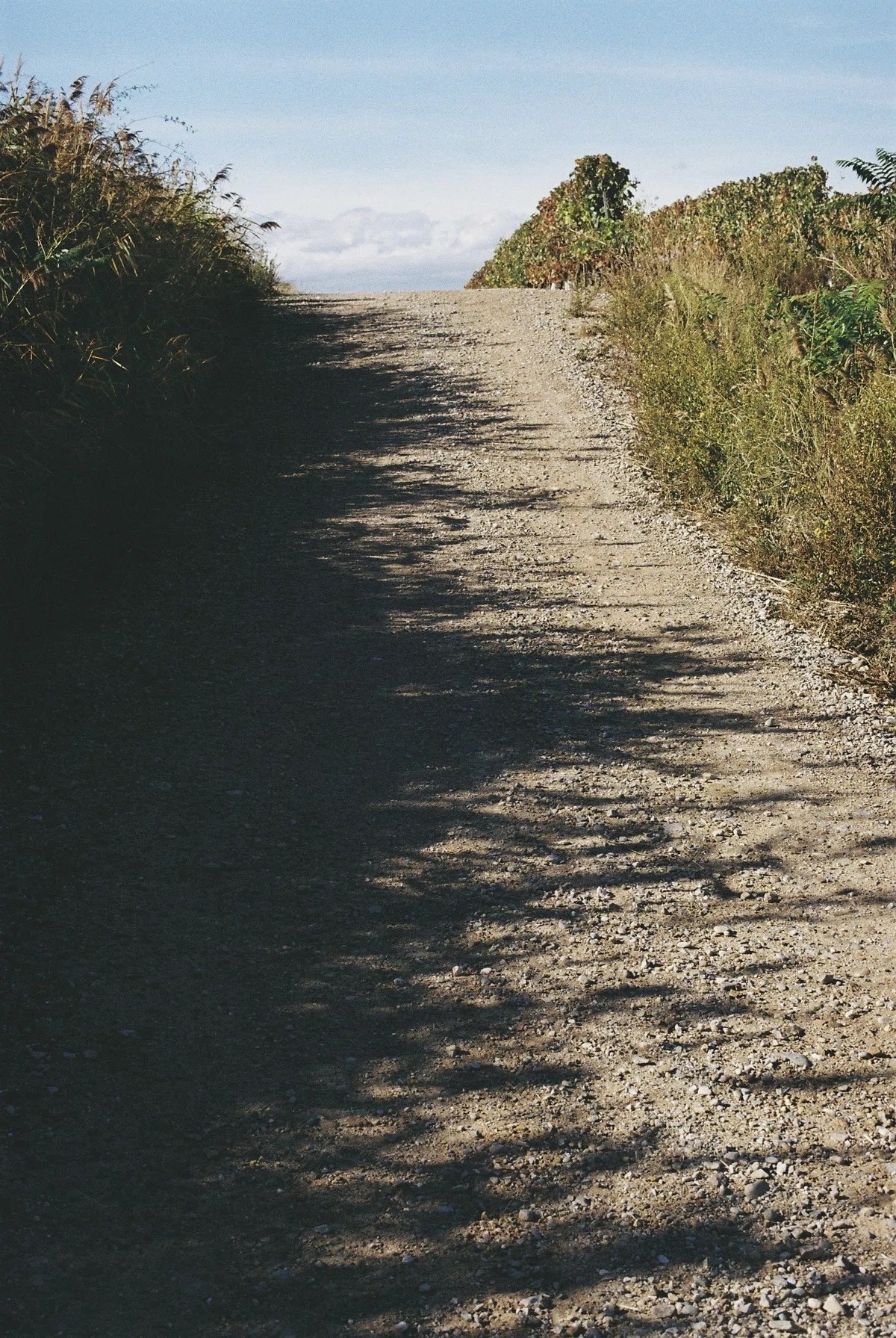
My way of thinking tends to want to know the origin of the origin, and to aim only for that, so while I know that evolution is of course not something simple, and that seeking the origin and treating it as everything is quite naive, still, after physically experiencing the act of walking and its effects on me by walking 800 km, I strongly felt the mystery and wonder of when humans began to walk, and the fact that this continues uninterrupted even to me here in 2025.
One reason I wanted to go on the Camino in the first place was that I like walking, and I often wondered why walking makes both my body and mind feel so happy. When traveling, when walking my dog every day, when walking while talking with someone, when moving from place to place—I feel alive. The stagnation and dullness of the body’s voice and the mind’s voice disappear, and the haze clears. Wanting to know why that happens was one of the reasons I spontaneously set off on a pilgrimage journey in Spain, but I underestimated the Camino. There was no time to think about such things; all kinds of things happened, and events that stirred my emotions appeared one after another before me and then retreated (became the past).
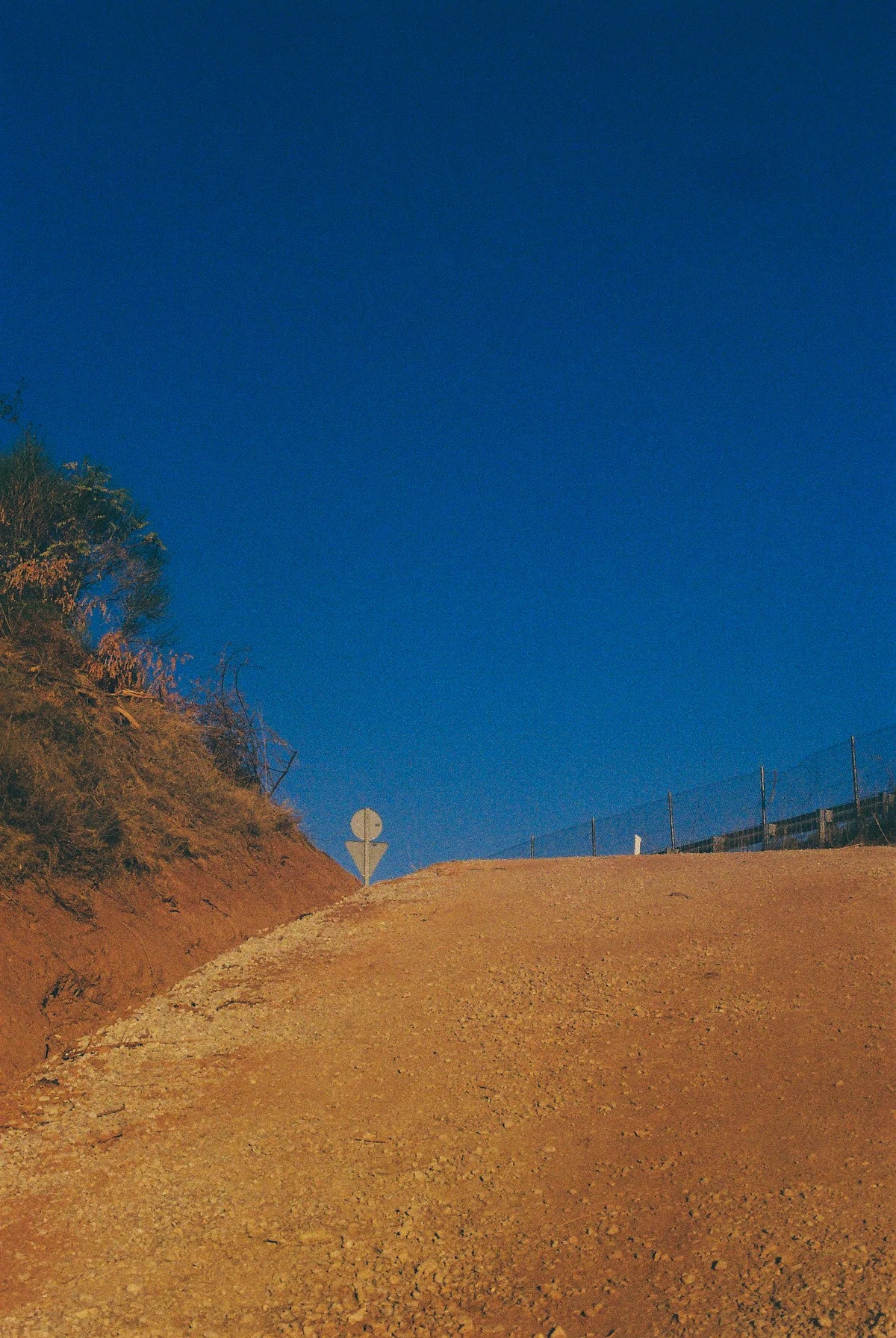
I saw somewhere that the Camino is a microcosm of life, that the soul is reborn, and each day you wake up in the morning and walk 20 km or 30 km to the next destination town. When you get tired, you stop at a bar along the way to drink coffee, eat a tortilla, take a break, or sit on a bench by the road. You keep eating as you walk—apples, bananas, large amounts of cookies—and around the afternoon you arrive at an albergue (a pilgrim hostel), take a shower, wash away the day’s dirt and fatigue, and reset yourself. At night you go to a bar, or a church, or walk around town, cook dinner together with others, eat, talk with people, and sleep. What you do is simple, and very healing. You just walk, gain energy, sleep, and the next morning walk again toward the next destination.
Thought does not happen only in the brain. The organs, the cells, the pulses—everything in the body moves all at once.
Why does this body move? What is the driving force, what is it based on, what is the starting point?
When I walk, the world unfolds at the same time as each step I take. The scenery and I move together. Maybe this is it. One of the reasons walking is healing, or gives strength. As a way of connecting with the world, of being together with it, and being able to feel that.
Every day I checked Google Maps. I wondered how many hours it would take to reach today’s town.
By car: 23 minutes. On foot: 6 hours. What does this mean? I felt a strong sense of strangeness and thought about it as I walked. Traveling by car is nothing more than passing from point A to point B. There is only the distance traveled and the time it took. It is just a count.
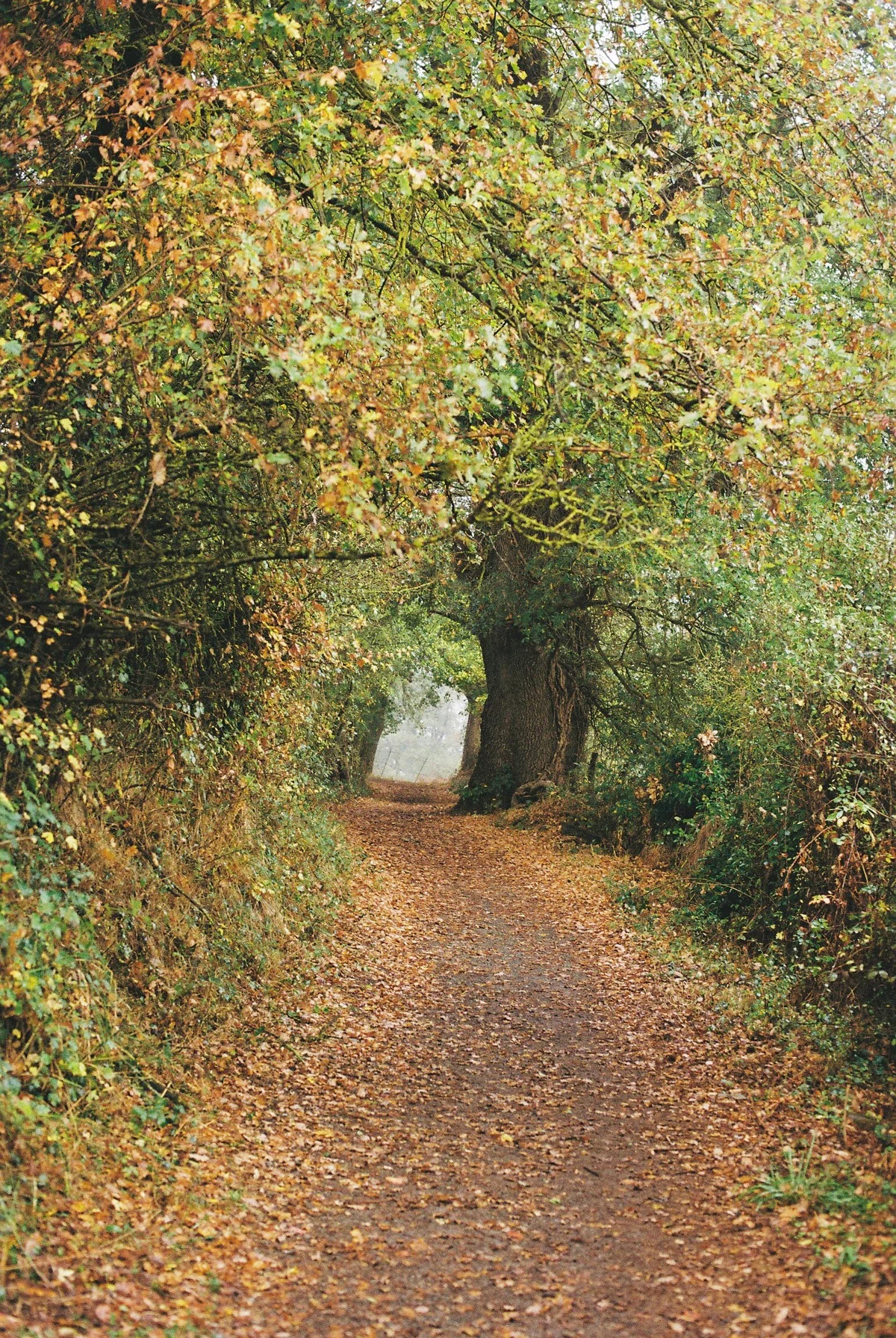
Before, I once thought that this world might simply be many images unfolding one by one. As I wrote earlier, walking moves all of myself—soul, cells, organs, bones, brain, the entire body—and together with that the world unfolds. With each step, moment by moment, things appear before my eyes, the world clearly appears in front of me, and I feel that it exists together with me. That experience is hard to put into words, but it feels like eternity might exist here, beyond time. And perhaps the more of that eternal time there is, the more the human soul rejoices and comes back to life. Walking may be the most familiar way to make that happen.
Additions made after the exhibition
At an albergue in Astorga, there was a time for conversation between a priest and pilgrims (participation was optional). The priest posed some questions to us: Why did you come on the Camino? Why do people walk? There were about ten participants, including the priest and volunteers. Listening to each person talk about why they had decided to go on pilgrimage was very meaningful. I realized that I really like this kind of time.
When it was my turn, I spoke about why I had come on this journey. Regarding walking, I explained—in simple English—what I wrote above: that in moving from one point to another, only time passes; that when we walk, the world moves in sync with each step, and that I felt eternity flowing in that movement.
One of the participants, a man in his seventies from the United States who had completed his pilgrimage and was now volunteering at the albergue, listened to my story and said a single word: “humanity.”
At the time, I did not fully understand what he meant, but the fact that the word “humanity” came up felt slightly unexpected, perhaps because of the image I already associated with that word. Still, for some reason, it felt right. The sound of his voice as he said “humanity,” and the calm, assured expression on his face, have stayed with me.
Later, I looked up the meaning of the word “humanity.”
Human nature; human attributes; humankind; love for others; compassion; mercy; kindness; benevolence; charitable acts.
The meaning that resonated most deeply with my own bodily sense was “mercy.” I felt as though I had been given a very good question, from a place I never would have expected.
(including the difference between mercy in Christianity and a form of compassion that arises naturally, as understood in Buddhism, along with my own experience)