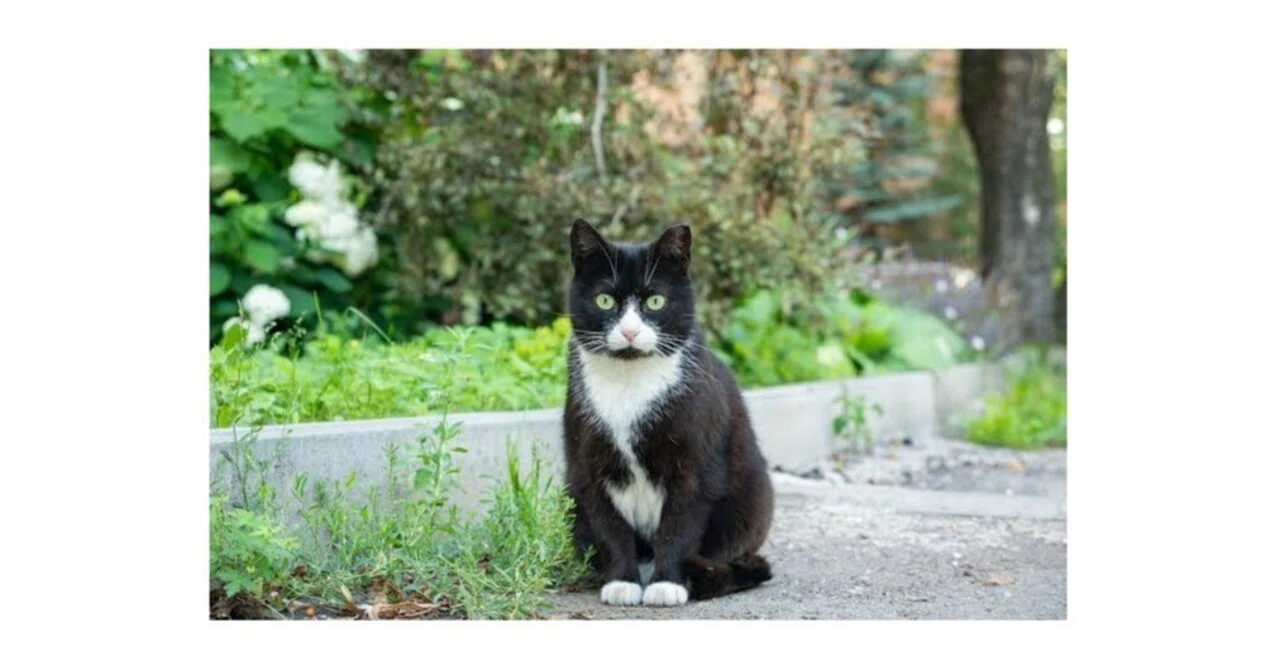
科学者たちが、ニューヨーク市の路上で暮らす猫に潜む驚くべき健康リスクを発見しました。Gizmodo 2026/7/8

Scientists Found a Surprising Health Risk Lurking in New York City’s Street Cats
街中の猫を愛する皆さん、ご注意ください。本日発表された研究によると、屋外で見かける猫の多くが、人間に病気を引き起こす可能性のある様々な病原体を保有している恐れがあることが分かりました。
Fellow street cat lovers beware: Research out today shows many felines we encounter outdoors are likely to be carrying all sorts of things that can sicken humans.
獣医学の研究チームがニューヨーク市内の放し飼いの猫を調査したところ、半数以上が人間に感染する恐れのある寄生虫に感染していることが判明しました。特に若いオスの猫は、ある種の回虫に感染しやすい傾向が見られました。
Veterinary researchers studied free-roaming cats in New York City. More than half were infected with parasites that could potentially be transmitted to humans, they found. Young male cats especially tended to be magnets for a certain group of roundworms.
研究チームは、水曜日に『PLOS-One』誌で発表した論文の中で、今回の調査結果は「人口密集した都市部における、管理されていない猫の個体群に伴う公衆衛生上のリスク」を浮き彫りにしていると記した。
The findings underscore “the public health risks associated with unmanaged feline populations in densely populated urban centers,” the researchers wrote in their paper, published Wednesday in PLOS-One.
「スーパー・シェダー(大量排出個体)」
Super-shedders
猫は、動物から人へと感染し得る病原体(細菌、ウイルス、寄生虫など)、いわゆる人獣共通感染症の病原体を保有していることでよく知られています。しかし、ニューヨーク市(ビッグ・アップル)を拠点とする屋外を自由に動き回る猫たちの間で、こうした寄生虫がどの程度蔓延しているかを調査した研究は、これまでほとんど行われてきませんでした。なお、ここで言う「屋外を自由に動き回る猫」には、野良猫や野生化した猫(フェラル・キャット)に加え、日常的に屋外で過ごす飼い猫も含まれます。
Cats are well known to be carriers of several zoonotic pathogens, meaning disease-causing bacteria, viruses, or parasites that can spread from animals to humans. According to the authors, however, there’s been little research examining how widely prevalent these parasites might be among free-roaming cats that call the Big Apple home. Free-roaming cats include strays, feral cats, and pet cats that regularly spend time outdoors.
研究チームは、ニューヨーク市で実施されているTNR(捕獲・不妊去勢手術・元の場所への放免)プログラムの一環として一時的に捕獲された猫から、血液と糞便のサンプルを採取し、分析を行いました。このプログラムは、猫の過剰繁殖を抑制することを目的としており、野良猫を人道的な方法で捕獲して不妊去勢手術を施し、多くの場合、狂犬病などの疾患に対するワクチンを接種した上で、元の場所へ戻すというものです。調査対象となったのは、2023年5月から7月にかけて捕獲された計87匹の猫でした。
The researchers examined blood and fecal samples collected from cats briefly captured through trap-and-neutering, or TNR, programs in NYC. These programs, in an effort to curb overpopulation, will humanely trap, neuter, and often vaccinate street cats against diseases like rabies before returning them back to the wild. All told, they studied 87 cats trapped between May and July 2023.
研究チームの調査によると、検査対象となった猫の約57%から、人獣共通感染症を引き起こす内部寄生虫が少なくとも1種類検出され、その虫卵などが糞便中に排出されていることが確認されました。また、約10%の猫からは、妊婦や免疫力の低い人々において重篤な合併症を引き起こす恐れのある寄生虫「トキソプラズマ(Toxoplasma gondii)」に対する抗体が検出されました。
About 57% of cats tested positive for at least one internal zoonotic parasite that was being shed in their poop, the researchers found. Roughly 10% of cats also carried antibodies to Toxoplasma gondii, a parasite that can cause serious complications in pregnant women and other vulnerable populations.
猫が保有する内部寄生虫の中で最も多かったのは(感染した猫の54%に見られた)、発熱や腹痛の原因となり得る回虫の一種「トキソカラ(Toxocara)」でした。この寄生虫は体内で眼に移動し、視力障害を引き起こすこともあります。特に若いオスの猫は、他の猫に比べて大量のトキソカラの虫卵を糞便中に排出する傾向があり、研究チームはこうした猫を「スーパー・シェダー(大量排出個体)」と位置づけています。
The most common internal parasite carried by cats (54% of infected cats) was Toxocara, a type of roundworm that can cause fever and abdominal pain; the worms can also migrate to the eyes, causing vision problems. Young male cats in particular appeared to poop out a lot more Toxocara eggs than others, making them “super-shedders,” the researchers found.
「イヌ回虫(Toxocara)の卵は非常に耐久性が高く、土壌中で何年にもわたって感染力を維持し、北東部の冬に見られる凍結と融解の繰り返しにも耐えうるため、こうした猫による環境中への卵の排出は、長期的な公衆衛生上のリスクとなります」と彼らは記しています。
“Because Toxocara eggs are highly robust, remaining infective in soil for years and withstanding the northeastern winter freeze-thaw cycles, environmental shedding by these cats presents a long-term public health risk,” they wrote.
どうすべきか
What to do
本研究で特定された寄生虫の中には、ヒトへの感染リスクが低い、あるいは中程度にとどまるものもありますが、トキソプラズマ(T. gondii)のように、猫とヒトの双方に広く蔓延しているものも存在します(米国では、人口の約10%が保有していると考えられています)。
While some of the parasites identified in the study only pose a low to moderate risk of being transmitted to people, others like T. gondii are widely prevalent among cats and humans alike (in the U.S., roughly 10% of people are thought to carry it).
研究者らは、自由に動き回る猫を注意深く監視することで、人獣共通感染症を引き起こす寄生虫の発生や拡大を、それがより深刻な問題となる前に追跡できるようになると述べています。また、TNR(捕獲・不妊去勢・放免)プログラムを通じて、こうした路上生活の猫から寄生虫を先制的に根絶すべきだと主張していますが、言うは易く行うは難しといったところでしょう。
The researchers say that keeping a close eye on free-roaming cats will allow scientists to track the emergence and spread of zoonotic parasites, hopefully before they become a larger problem. And they argue that TNR programs should try to preemptively eradicate them in these street cats, though that’s easier said than done.
「本研究の結果は、実施可能な場合にはTNR(捕獲・不妊手術・返還)プログラムと寄生虫対策を組み合わせるのが理想的であることを示唆しています。もっとも、自由に動き回る個体群に対して実際に処置を行うための運用面には依然として課題がありますが」と彼らは記しています。「獣医師、公衆衛生当局、自治体の公園管理部門、野生生物管理の専門家が連携することで、汚染のホットスポット(多発地域)を特定し、的を絞った対策を講じるとともに、人獣共通感染症の病原体の蔓延状況や環境汚染の推移を継続的に監視することが可能になります。」
“The results from this study suggest that TNR programs should ideally be coupled with parasite control strategies where feasible, although the logistics of treating free-roaming populations remain challenging,” they wrote. “Collaboration between veterinarians, public health authorities, municipal park services, and wildlife managers can help map hotspots of contamination, implement targeted interventions, and monitor trends in zoonotic pathogen prevalence and environmental contamination over time.”
残念ながら、この研究結果を知った今、近所で野性味のある猫を見かけても、安易に「おいで、おいで」と呼び寄せようとする気にはなれません。皆さんも同じように感じるのではないでしょうか。
Unfortunately, this study will make me think twice about trying to ps-ps-ps the next wild-looking cat I see in my neighborhood, and it should probably do the same for you.
いいなと思ったら応援しよう!
 よろしければ応援お願いします! いただいたチップはクリエイターとしての活動費に使わせていただきます!m(__)m