The Resolve to Remain a Subject

Human beings are weak.
This is not an accusation. It is an observation.
People can endure hunger.
They can endure cold, illness, poverty—far more than we like to admit.
History proves this.
And yet, when there is a path that requires no endurance, people will choose it.
That choice is neither cowardice nor decay.
It is simply the natural gesture of a living creature.
There is, however, one irreversible cost.
To live without ever deciding, for oneself, who one is.
The reason Oshin’s childhood pierced so deeply into so many hearts
was not the brutality of poverty itself.
It was because the story depicted—quietly, precisely—the last thin line
that allows a human being to remain human.
The old woman at the place of servitude did not save her.
She did not rescue her.
She only listened.
She listened to the circumstances, named injustice as injustice,
and refused to side reflexively with the stronger party.
That alone was enough
to pull a child back from being an object into being a human being.
At that moment, Oshin decided:
no matter what happens, I will follow this person.
This decision was not emotional.
It was closer to faith.
But not faith in a god.
Faith in the posture of human beings trying to remain human.
Human beings are weak.
That is why they depend.
Dependence offers temporary relief,
but it also hands one’s dignity over to another.
There, a small residue of self-loathing always settles.
People call this “the heart becoming tainted.”
It is an uncannily accurate phrase.
Hunger is painful.
One meal a day is painful.
A life so desperate that one smokes discarded cigarette butts
is beyond words.
And yet, at such extremes, a person sometimes realizes something.
I am still the subject of my own life.
Poverty, illness, misfortune—they are tragedies.
But they are not the deepest tragedy.
The true tragedy is
not choosing,
not deciding,
abandoning being oneself.
People cry when they watch Oshin
not because they pity the cruelty of that era,
but because they glimpse on the screen
the untainted outline of who they themselves once were.
Human beings are fragile.
We cannot easily commit to living that beauty.
So many choose to avert their eyes,
living within convenience and ambiguity.
That is not something to be condemned.
But it is, undeniably, regrettable.
Because once someone has truly seen
a human being standing as a human being,
they can never fully forget it.
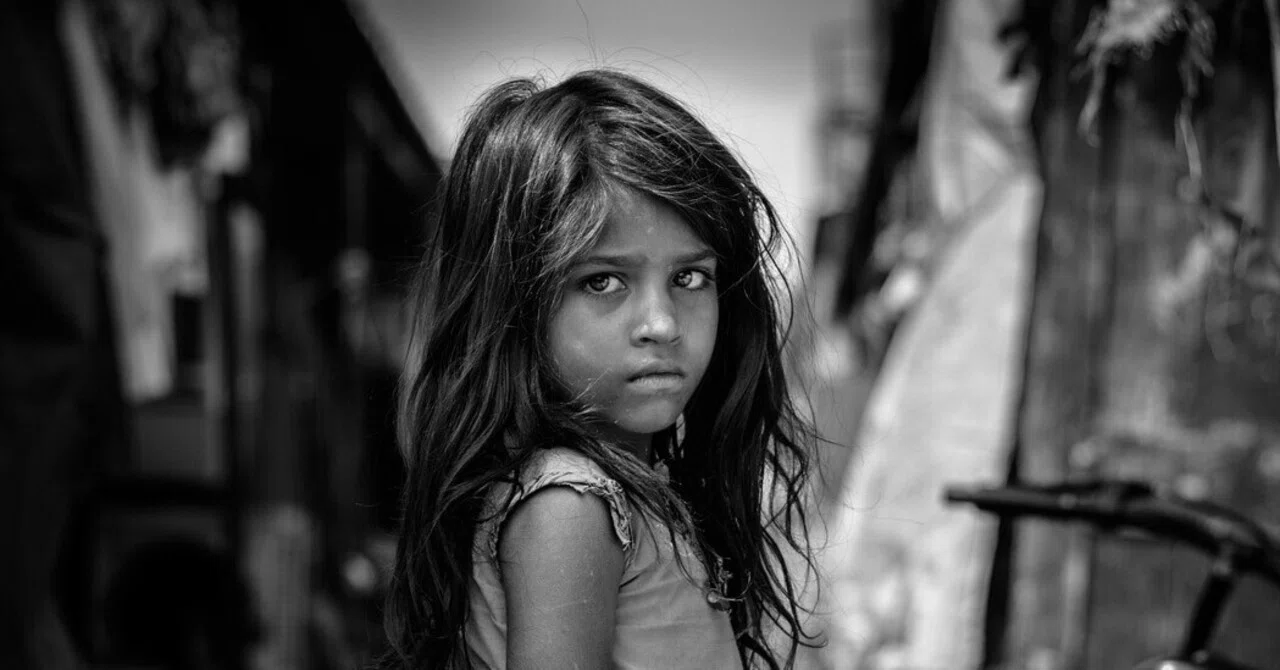
Those eyes.
Eyes that had not abandoned the world,
even while sitting atop a bed of nails.
That is not an ideal.
Not a hero.
It is a form that once existed, naturally,
within everyone.
When Oshin was watched by half the nation,
people collectively remembered this.
That, perhaps, is the true meaning of those numbers.
Human beings are weak.
And yet, we are great—
great enough to remember.