
«アスラオ・碧を継ぐもの» by miclala様

以下の magazine にある小説『アスラオ・碧を継ぐもの』を読んだ:
万人受けするかと聞かれると恐らく NO だと答えるだろう。
読み終わった後、暫く他の小説が読めなくなるのではないかと思った。
非常に長い。
とは言え、既に古典となっている長編小説、例えば Roger Martin du Gard の « Les Thibault » の文字数はこの倍以上あるかもしれない…
どうでも良い話であり文字数だけを重視する向きには以下をお勧めする:
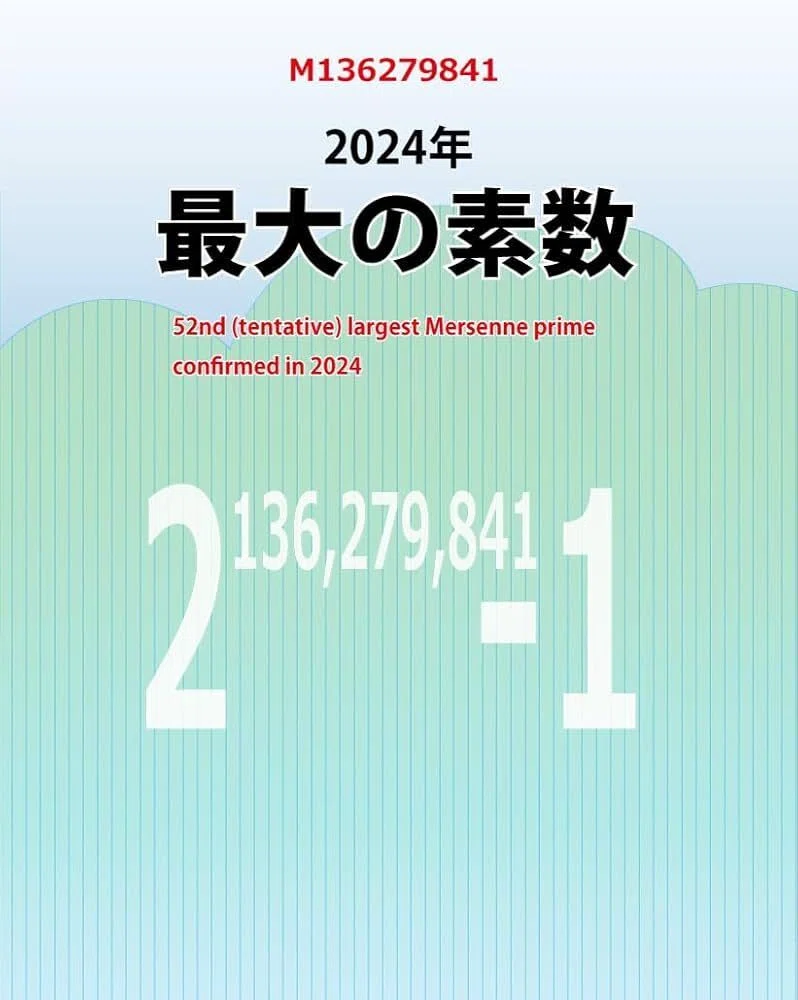
4102万4320桁。2024年時点での人類が知る最大の素数を格納している。
勿論素数のことを否定する積もりは欠片もない。この発見の裏には美しさを誇る数論とは異なる凄まじい努力がある…
Rubbish aside, I have to tell in advance that I am not a literary critic.
So why I am writing this article? It's simple. I love this novel by miclala様.
I have no idea whether this novel is written in accordance with so-called conventions or textbook techniques, which does not matter. If this were complete nonsense, or if I hadn’t found it particularly compelling, I wouldn’t have written this article.
To be honest, when I read the following article announcing this series, I thought it might actually cause people to shy away from it, thinking, “Oh, yet another time-travel fantasy?”
Fortunately, since I had had the opportunity to read the following novel by this author, I had no particular doubts.
Indeed, this⬆️ convinced me that I should follow whatever she had written…something like Leap of Faith In "The Last Crusade" of Indiana Jones🙏
以下では小説のあらすじを書き並べることはしない。
この小説に登場する人名・地名からハクワ語の系統が調べられたら面白いのだが、John Ronald Reuel Tolkien のように作者が言語学の専門知識を有しない限り体系的に命名することは難しいだろうと推察する。それでも幾つかの儀式に関する言葉にはきっと何等かの背景があるのではと想像している。
語尾の語感を頼りにしたかなり強引で且つ稚拙な連想では
コワンルータム(コワンルー=鎮魂の日) ➡️ Наадам(ナーダム)
トマント・ルカ (聖なる夜、始まりの夜)➡️ Haka(ハカ)
マスランエ(誕生を祝う会) ➡️ 盂蘭盆会 ullambana (Yulanpen Sutra)
ところがマシ・シカ・バ(「扉を開ける」という意味だが契約でもある)は非常に重要なテーマである上に魅力的な語感の言葉なのだが、何がヒントになっているのか全く見当がつかない…
学術的なサイトではないが Wander-Lush には、World rituals & ceremonies (Part 1~4) に色々な世界の儀式が掲載されている。が、ここにもマシシカバに相当するものはないと思われる。
一方同じく重要なワスリノト(地名)だが、「ワス・リ・ノ・ト」のように母音がリズミカル(或いは単調)に並ぶ構造は、乱暴極まる連想であるが、フィンランド語を想起させる。これは Kalevala を編纂した Elias Lönnrot の名前の語感の影響が大きいように思われる。
[N.B.] 体論(数学)における Lüroth's theorem で知られる Jacob Lüroth は名前は似ているが、背景を知っている為フィンランド語には結びつかない…
また「ノト」はアイヌ語を想起させる上に、ワで始まるアイヌ語地名が散見される。
瓦水里(ワスリ / Wasuri / 와수리)という地名が朝鮮半島の軍事境界線 DMZ に近いところにあるが、単なる偶然であろう。
これらは空想の世界でしかないが、青のイメージは、私にとっては East Java, Indonesia の Kawah Ijen である:
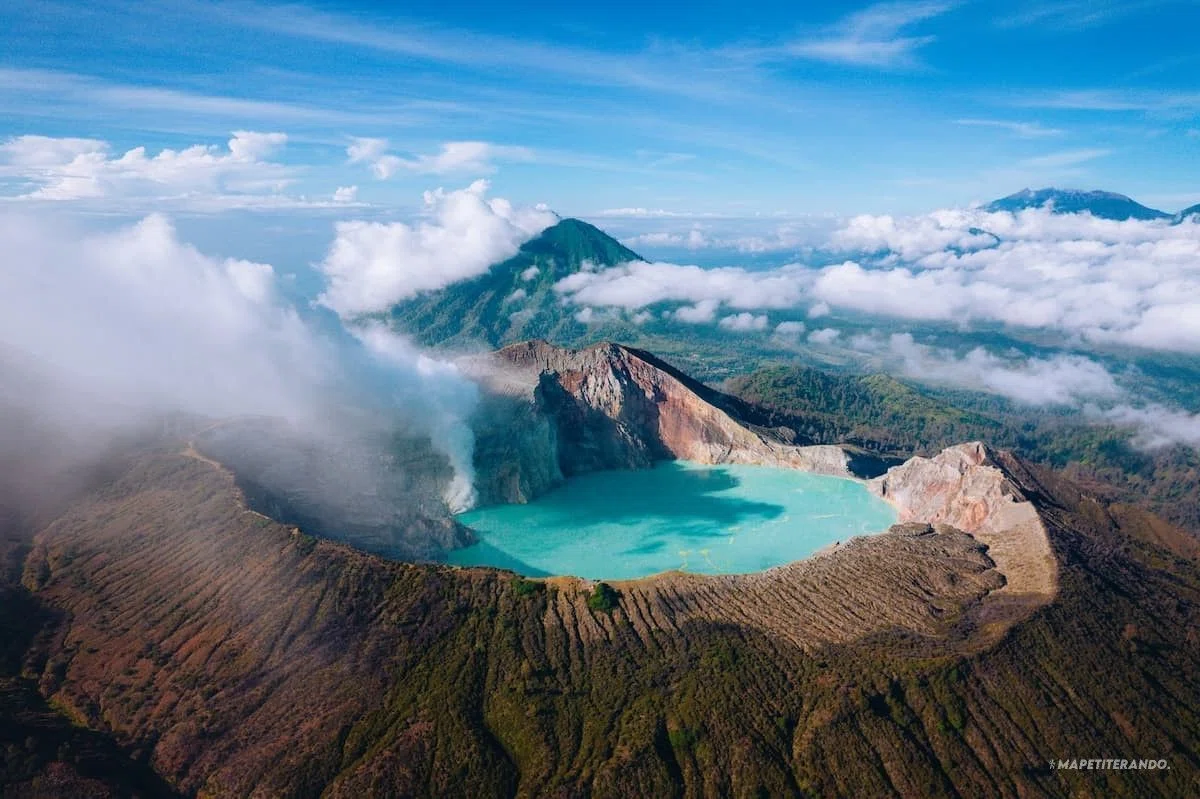
via Pinterest
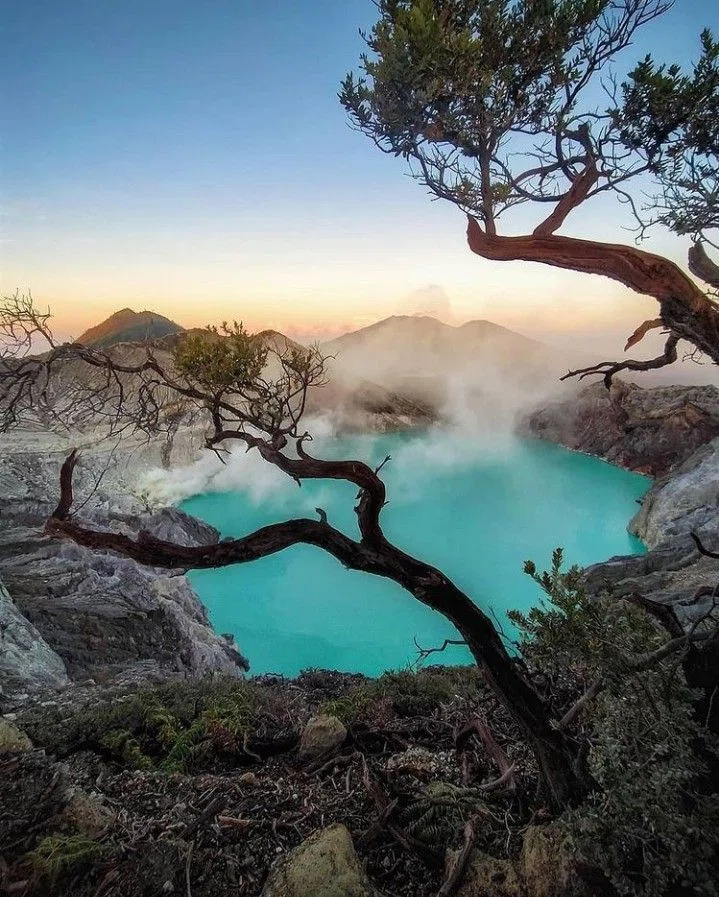
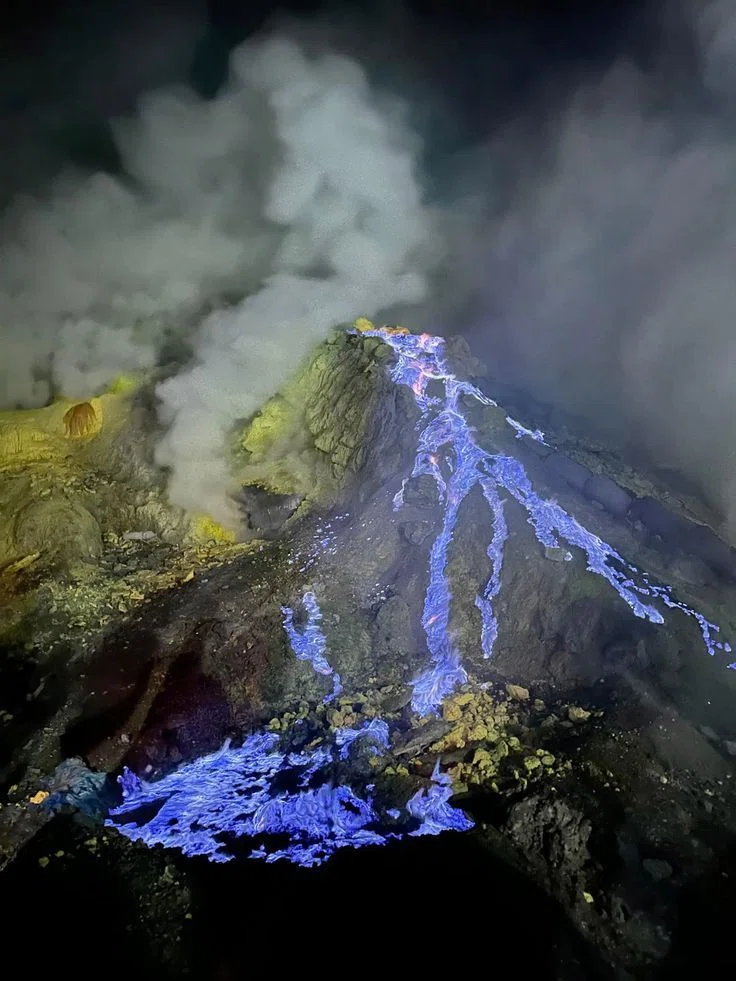
Behind that mysterious beauty lies the unfathomable ugliness of humanity...
最後の二章では私個人の家族史と重なる事実に遭遇することになったことは衝撃的だった:
私が立川に住んでいた頃、父に連れて行かれた川崎或いは鶴見の家の人達
35年以上前、ハクワの国の女性の名前風の名前を私の娘達に付けたこと
手紙に立川に住んでいたと書いてあったこと
手紙に高年齢出産と書いてあったこと
これらは Gabriel García Márquez の『百年の孤独』
"One Hundred Years of Solitude" / "Cien años de soledad"
の最後を想起させた。『百年の孤独』を引用したのは misleading だが、それ程の衝撃であったことを示している。とは言え『アスラオ・碧を継ぐもの』が単にそれだけで私の興味を惹いた訳ではない。
この小説を読んで、自分の心に浮かんだ三つの言葉は:
the triumph of imagination
A true “happy end” must be hard-won.
We need stories.
On 未来's birthday with my sincere thanks to miclala様😸🙏
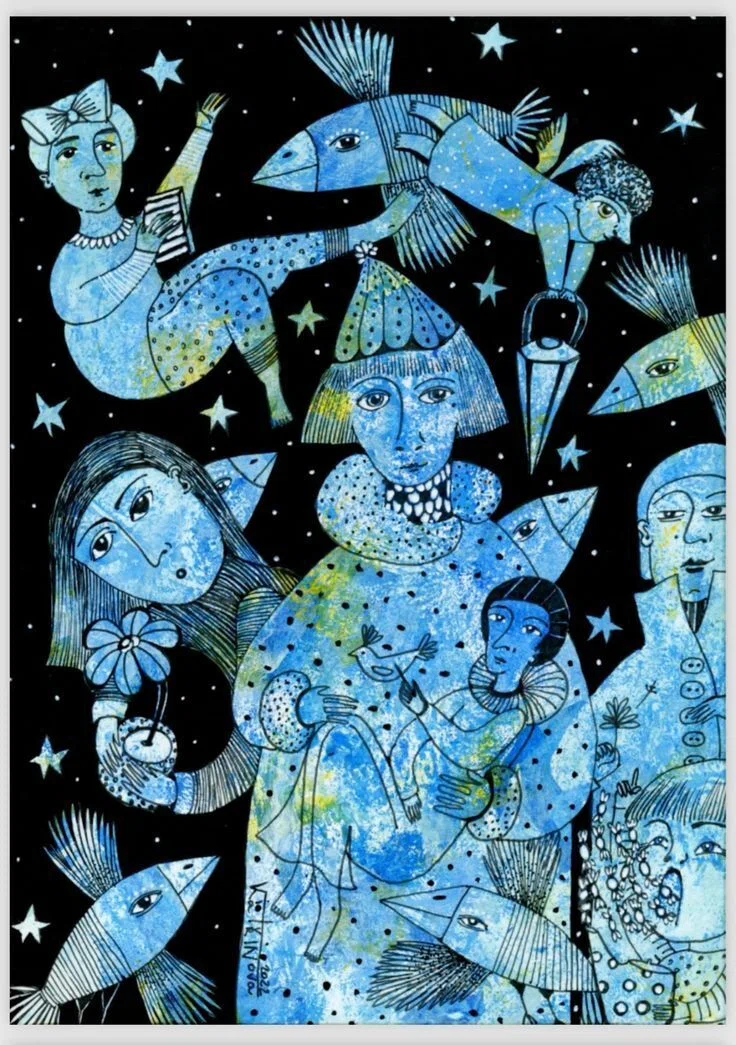
by Ekaterina Vitvinova (Екатерина Витвинова) via Pinterest
『百年の孤独』
"One Hundred Years of Solitude" / "Cien años de soledad"
(Gabriel García Márquez) より:
Macondo was already a fearful whirlwind of dust and rubble being spun about by the wrath of the biblical hurricane when Aureliano skipped eleven pages so as not to lose time with facts he knew only too well, and he began to decipher the instant that he was living, deciphering it as he lived it, prophesying himself in the act of deciphering the last page of the parchments, as if he were looking into a speaking mirror. Then he skipped again to anticipate the predictions and ascertain the date and circumstances of his death. Before reaching the final line, however, he had already understood that he would never leave that room, for it was foreseen that the city of mirrors (or mirages) would be wiped out by the wind and exiled from the memory of men at the precise moment when Aureliano Babilonia would finish deciphering the parchments, and that everything written on them was unrepeatable since time immemorial and forever more, because races condemned to one hundred years of solitude did not have a second opportunity on earth.
Macondo era ya un pavoroso remolino de polvo y escombros centrifugado por la cólera del huracán bíblico, cuando Aureliano saltó once páginas para no perder el tiempo en hechos demasiado conocidos, y empezó a descifrar el instante que estaba viviendo, descifrándolo a medida que lo vivía, profetizándose a sí mismo en el acto de descifrar la última página de los pergaminos, como si se estuviera viendo en un espejo hablado Entonces dio otro salto para anticiparse a las predicciones y averiguar la fecha y las circunstancias de su muerte. Sin embargo, antes de llegar al verso final ya había comprendido que no saldría jamás de ese cuarto, pues estaba previsto que la ciudad de los espejos (o los espejismos) sería arrasada por el viento y desterrada de la memoria de los hombres en el instante en que Aureliano Babilonia acabara de descifrar los pergaminos, y que todo lo escrito en ellos era irrepetible desde siempre y para siempre porque las estirpes condenadas a cien años de soledad no tenían una segunda oportunidad sobre la tierra.
荒れ狂う暴風雨の中で廃墟と化す Macondo で、Aureliano が自分の家族史が書かれている羊皮紙を解き明かしているが、Aureliano が羊皮紙の解読を終えたその瞬間に蜃気楼の町は風によってなぎ倒され、人間の記憶から消えてしまう…
[Header Image Credit]
"We need stories to understand ourselves."
Writing Masterclass by Salman Rushdie
https://www.youtube.com/watch?v=QV7Eyv8LAl8
🟪
