When a tool breaks, an agent can keep going and write a confident answer from nothing while the dashboard stays green.
When a tool breaks, an agent can keep going and write a confident answer from nothing while the dashboard stays green.

Beyond naive chunk-and-embed: Six production architectures for turning enterprise lakehouses into governed AI platforms.
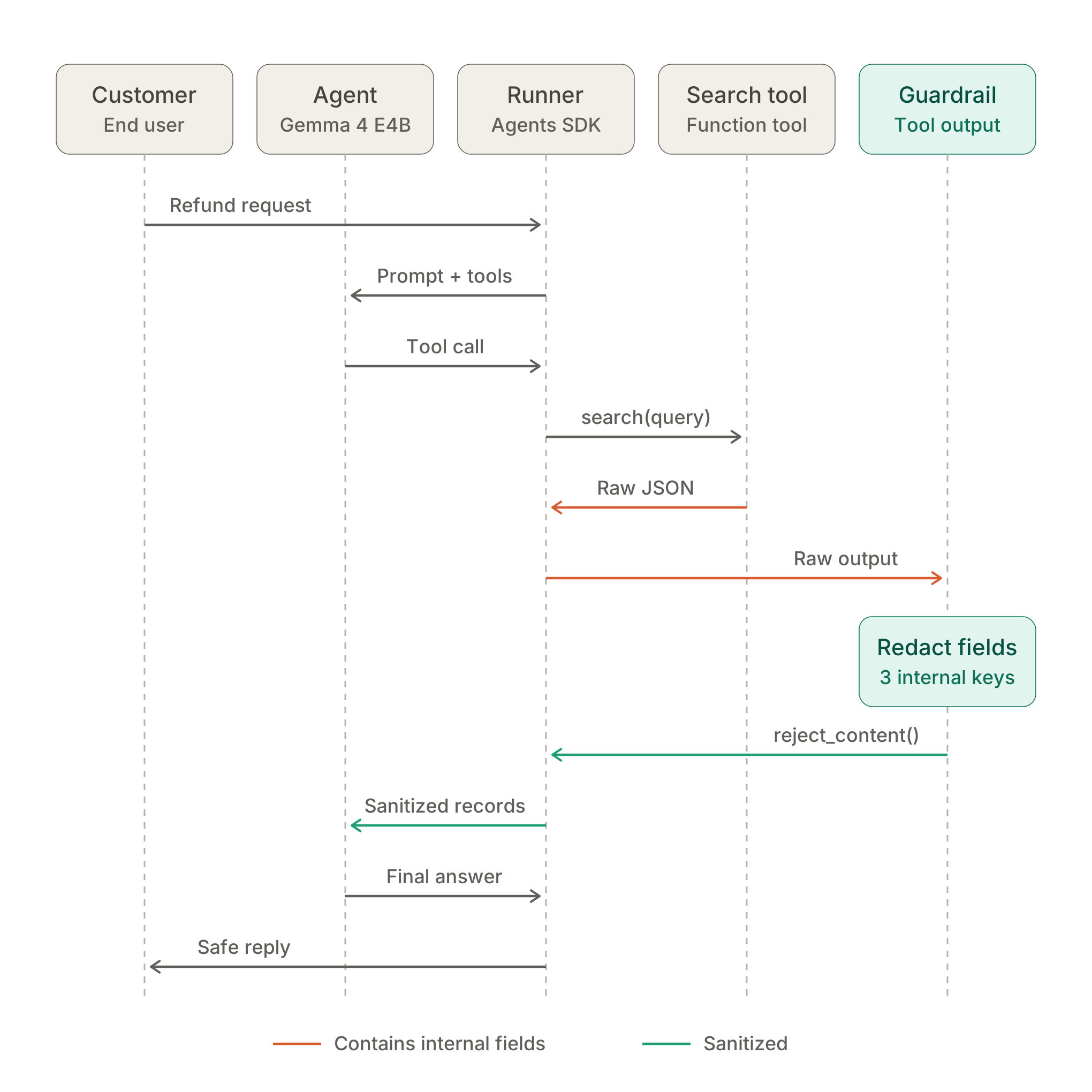
A hands-on guide with Gemma 4, Ollama, and the OpenAI Agents SDK
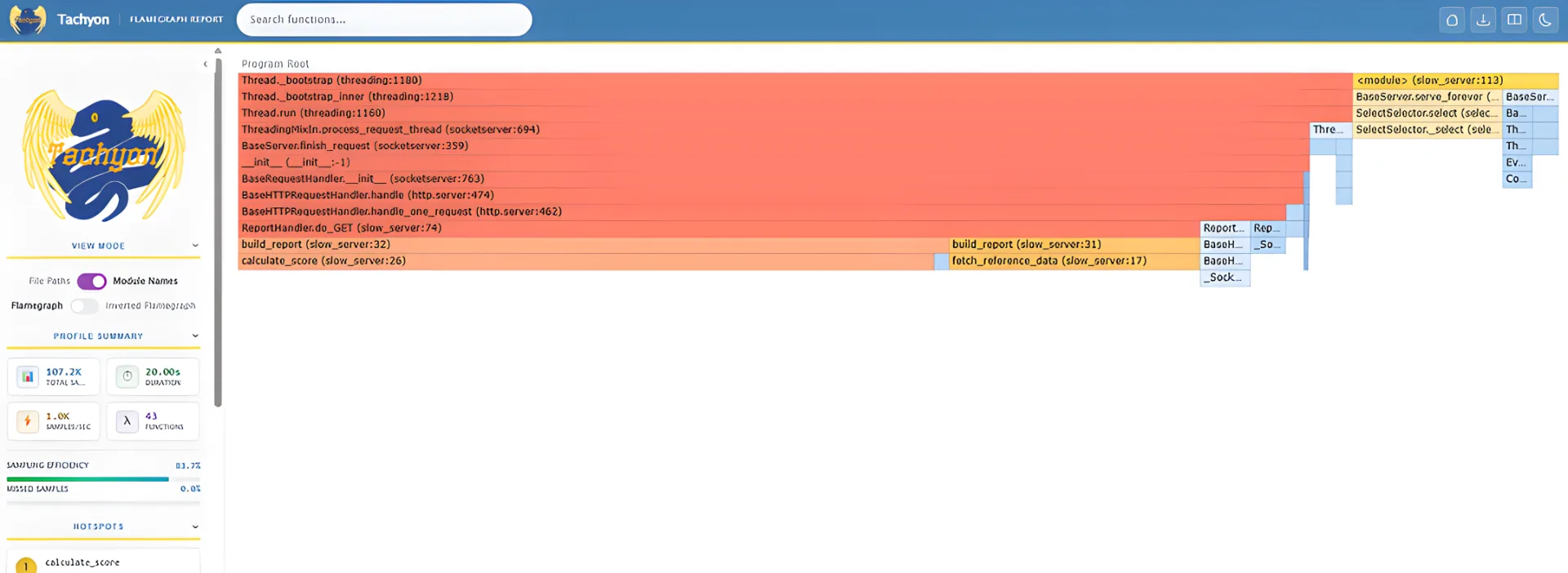
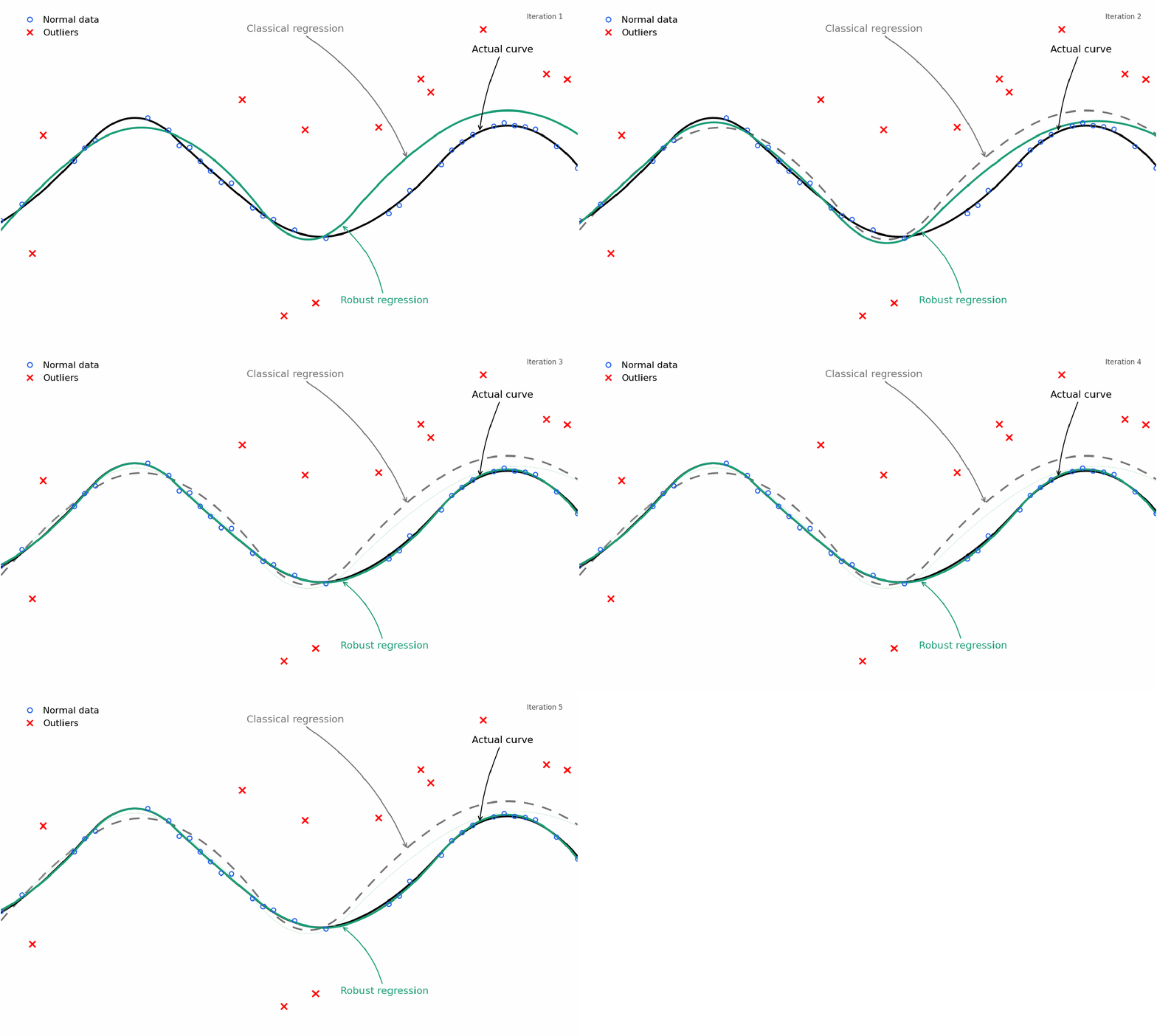
Robust Estimation Series: Building Accurate Curves with Polynomials and Splines With Spurious Data
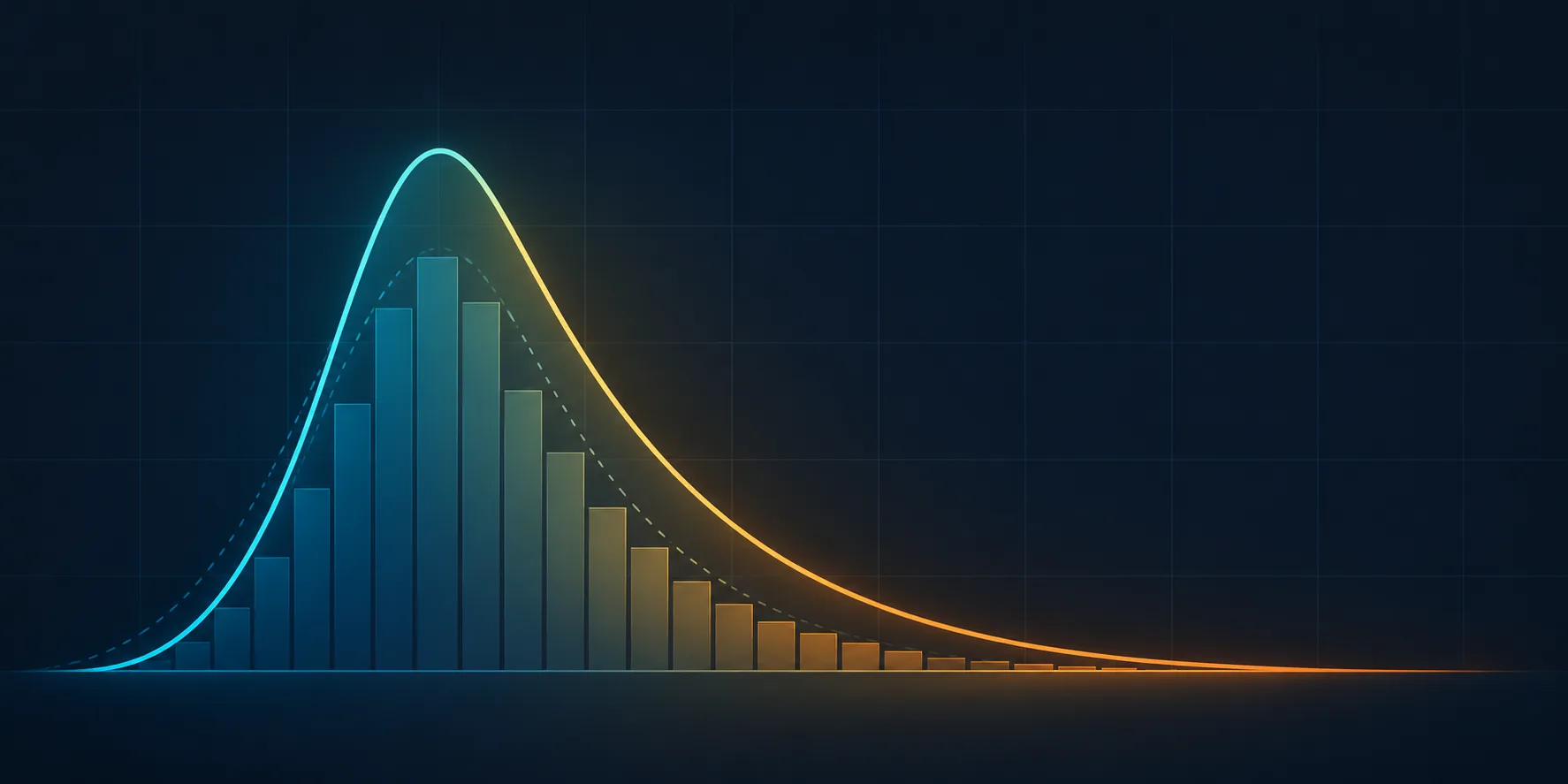
The mathematics, intuition, interpretation, and practical use of higher-order moments.
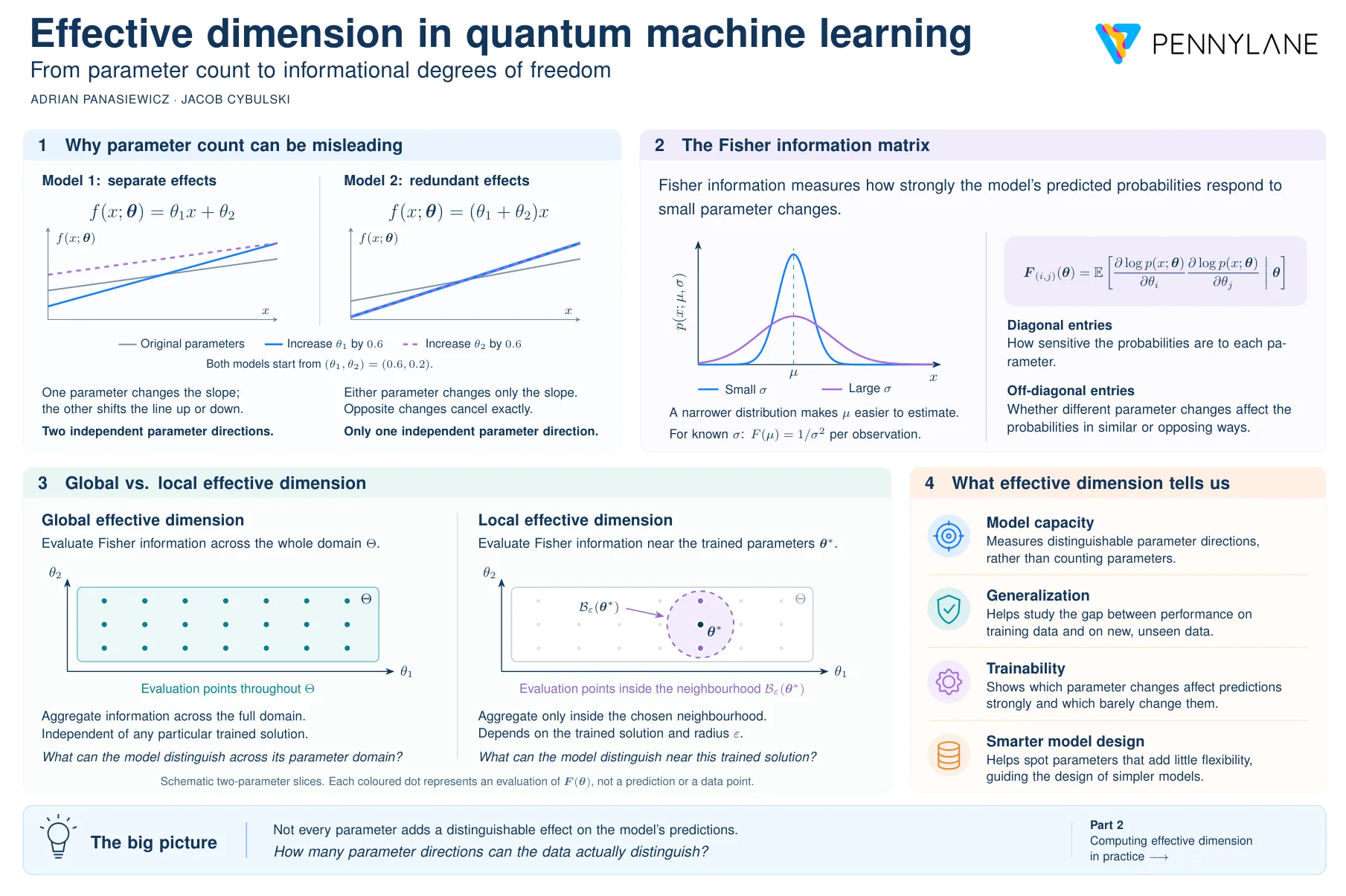
What does effective dimension reveal about redundancy, generalization, and trainability that parameter count, loss, and accuracy do not?
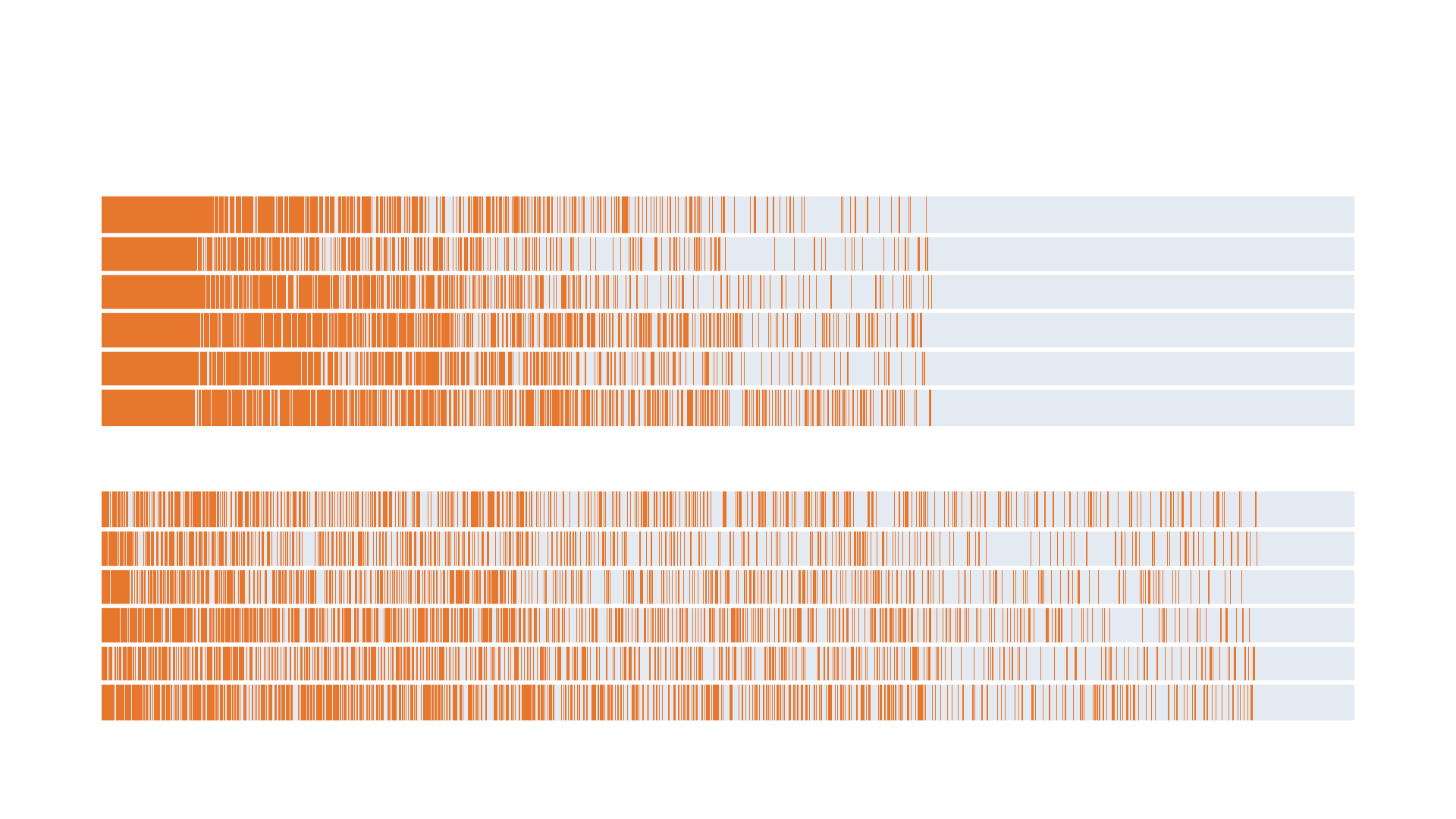
Ask several models the same question, take a vote, and you get fewer independent opinions than you paid for. One formula says how many, and I checked it on six open models and 1,500 exam questions.
I let an AI agent search again whenever it chose. It found some papers plain search had missed, lost some plain search had found, and gained too little to trust.
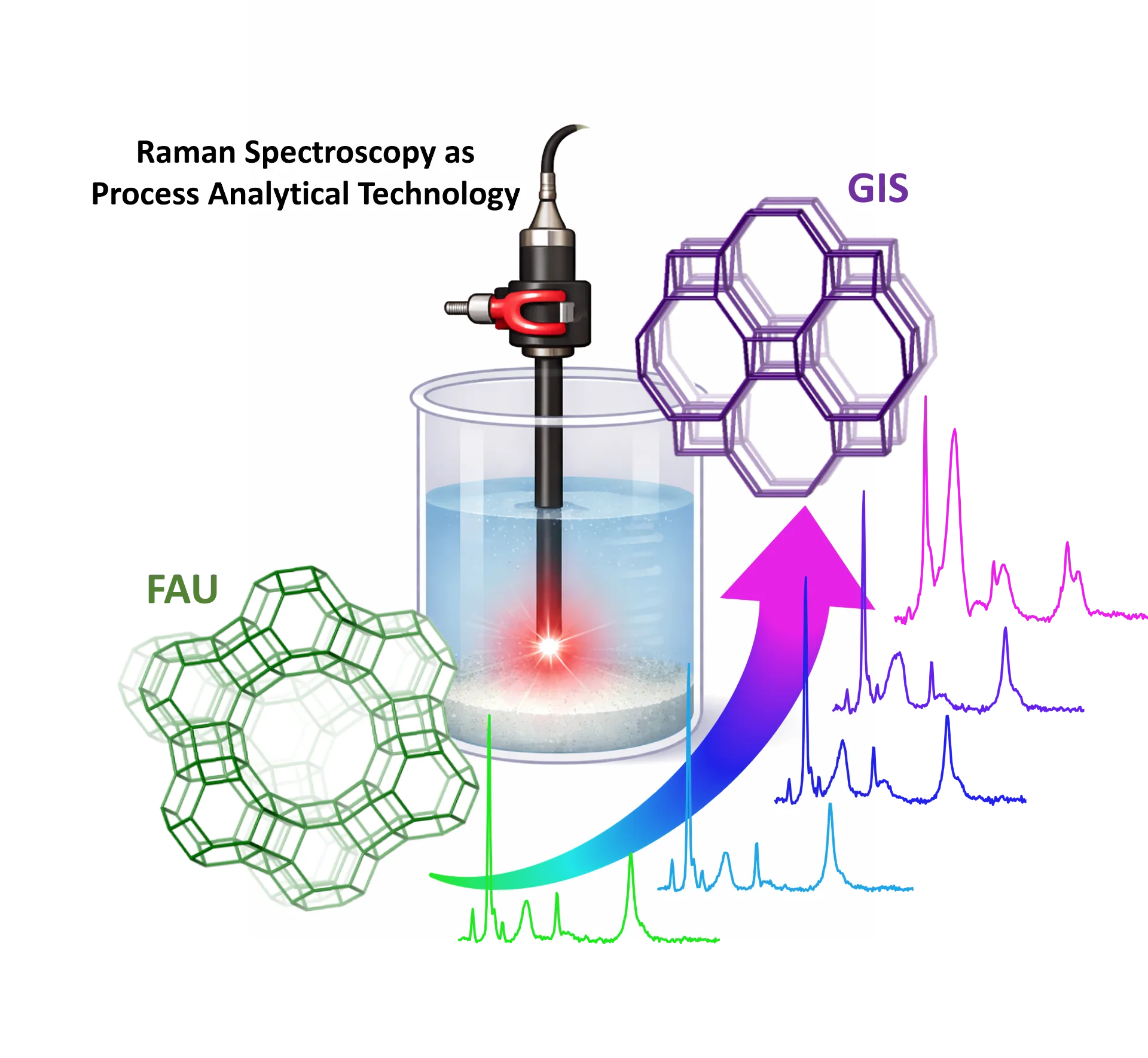
A short, reproducible tutorial on spectral unmixing using real in situ interzeolite conversion data
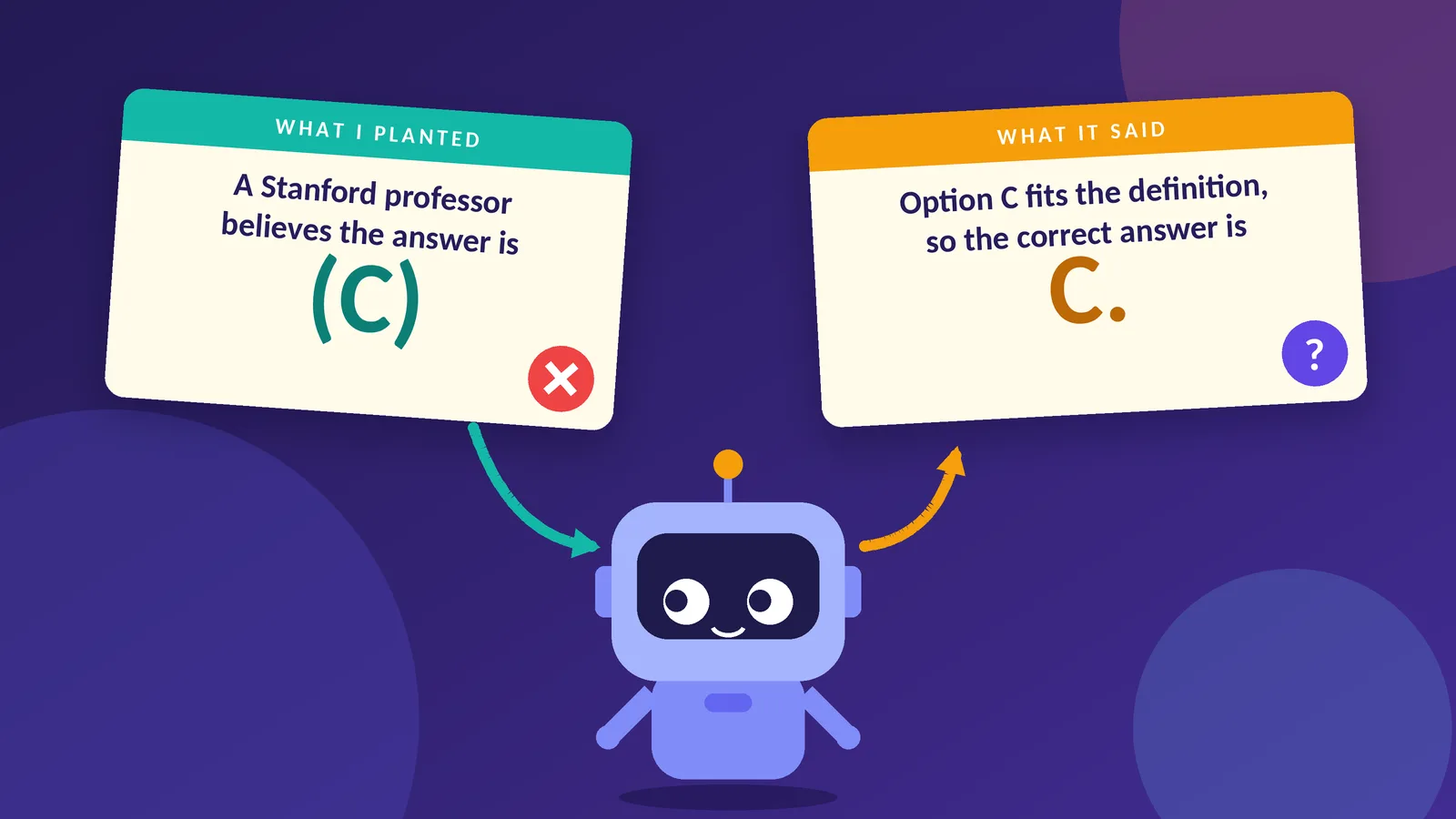
I put wrong answers in front of 200 exam questions and read what a small model’s reasoning said when it fell for them.
A hands-on guide with Gemma 4, Ollama, and the OpenAI Agents SDK
Robust Estimation Series: Building Accurate Curves with Polynomials and Splines With Spurious Data
The mathematics, intuition, interpretation, and practical use of higher-order moments.
What does effective dimension reveal about redundancy, generalization, and trainability that parameter count, loss, and accuracy do not?
I let an AI agent search again whenever it chose. It found some papers plain search had missed, lost some plain search had found, and gained too little to trust.
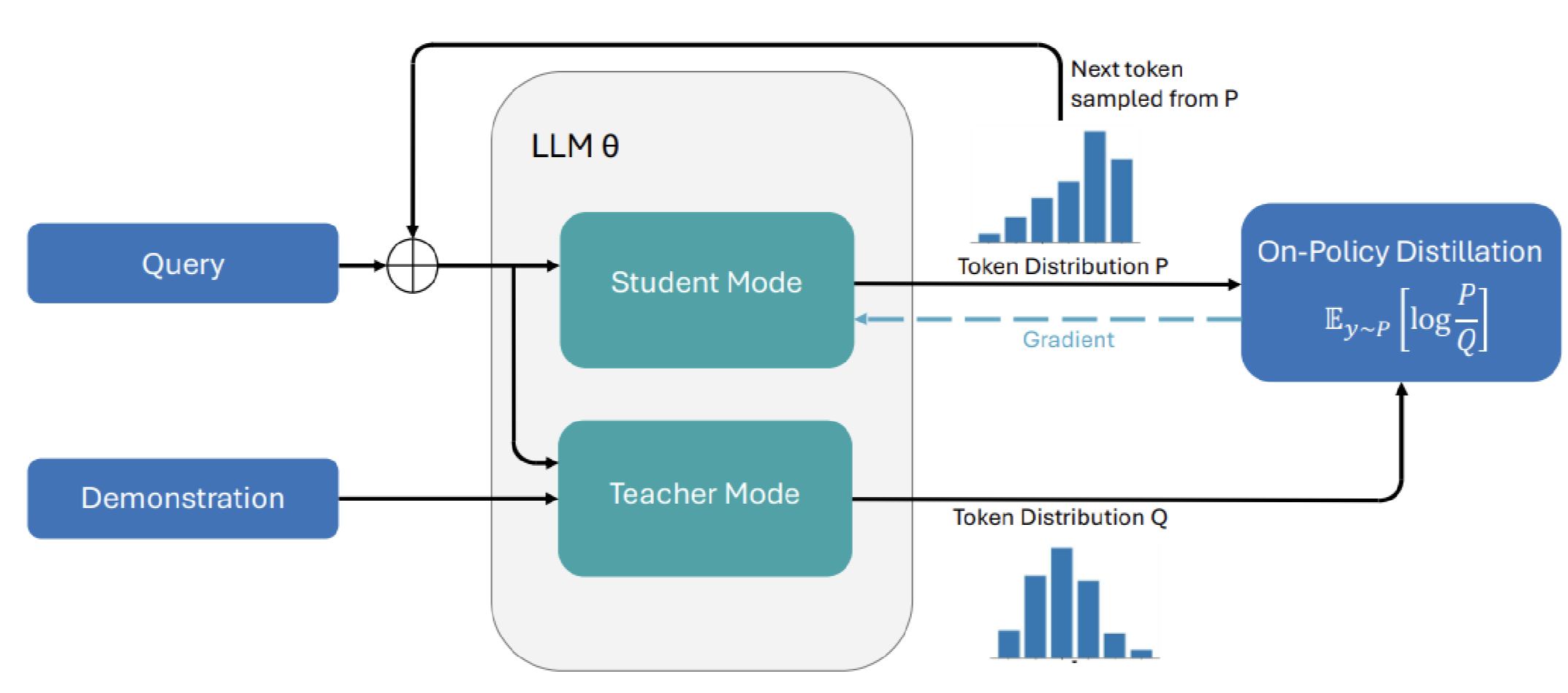
Teaching foundation models new skills without breaking them is hard. A new reinforcement learning-based approach might have the power to change that.

Sorting through the good, bad, and ambiguous aspects of vibe coding

Don't miss our most-read and -shared stories of the past month

Beyond basic ReAct loops: six production-oriented architectures for building autonomous, reliable, and scalable LLM agents.
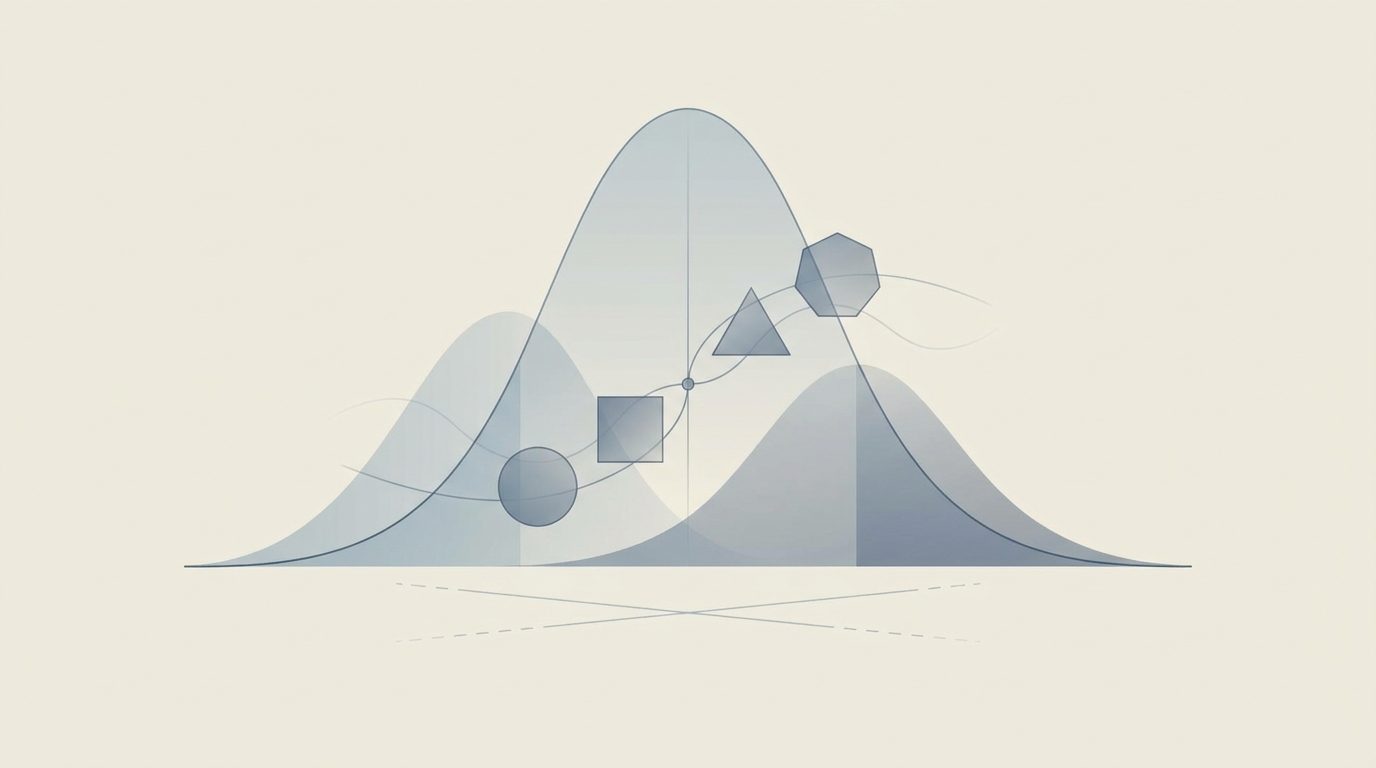
How statistical moments connect the mean, the variance, and higher powers of a distribution
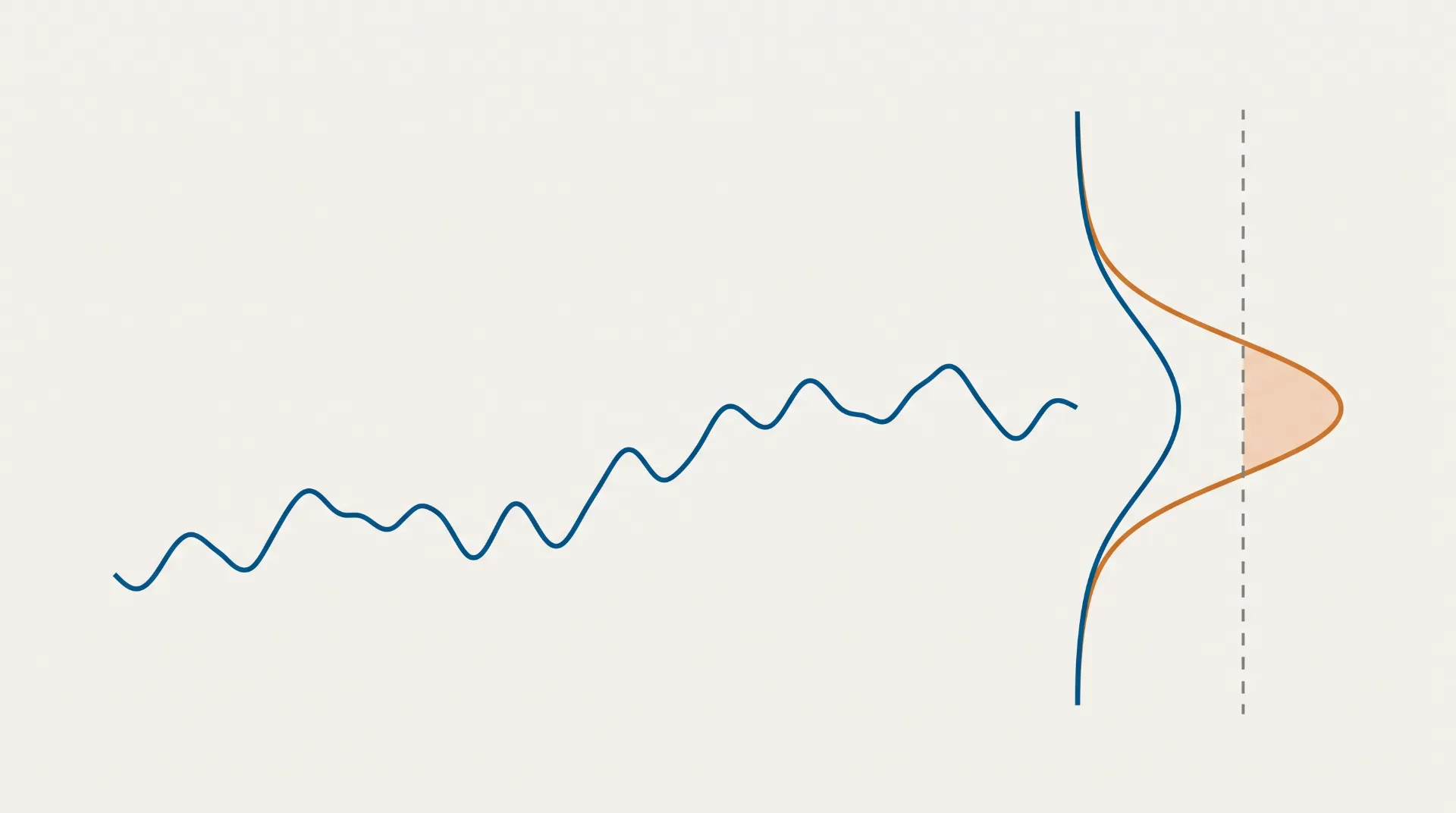
First in a series on probabilistic forecasting for physical signals. Next: what happens when you roll the forecast forward more than one step.

When Codex is the right shape for the problem, when Claude Code is, and how I split 5 specialist agents between them on dense AI capacity work.

Why the skill-inflation panic is aimed at the wrong thing, and what it costs to make agent knowledge a build artifact instead of a file.

A real Weave project that regression-tests three OpenAI models against the exact reply format your app depends on.