A hands-on Jev repo comparison of routing accuracy, latency, and output reliability
A hands-on Jev repo comparison of routing accuracy, latency, and output reliability

Matching messy text, choosing representative examples, and generating comparison data.
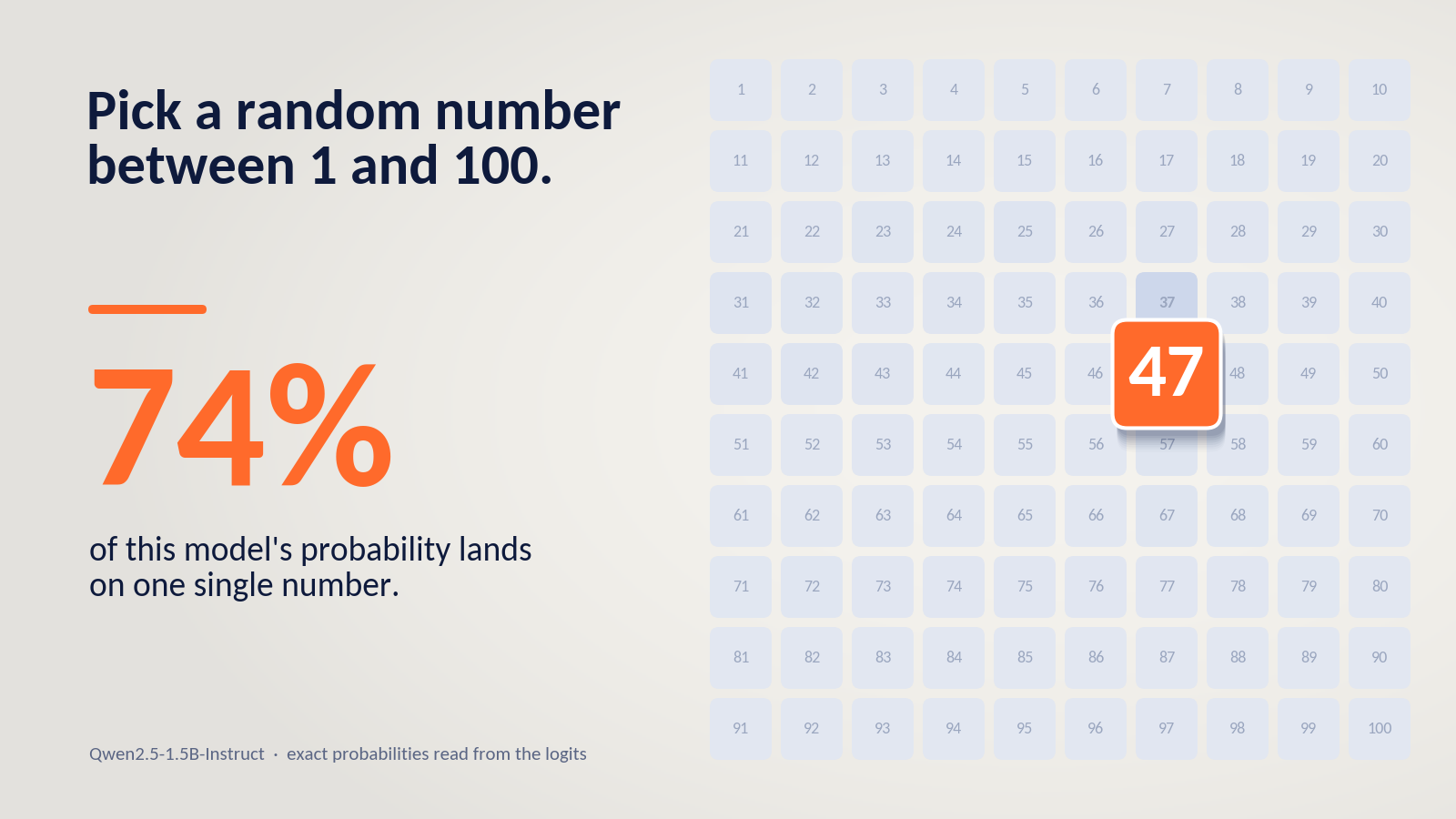
I read the exact answer distribution from the logits of open models, base and instruction-tuned, and turned it into bits and guesses-to-crack.
Pasting in the whole chat history cost 20 to 31 times more than looking up notes, and it did no better on the tasks.
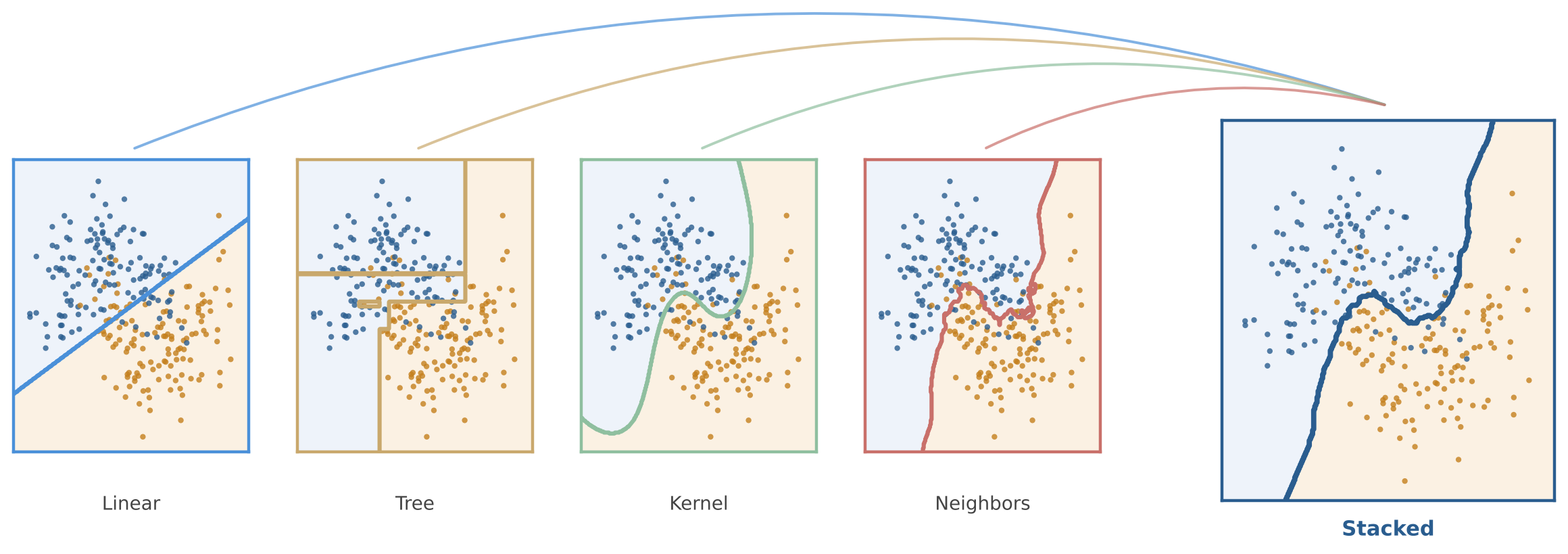
It only helps when your models make different mistakes.
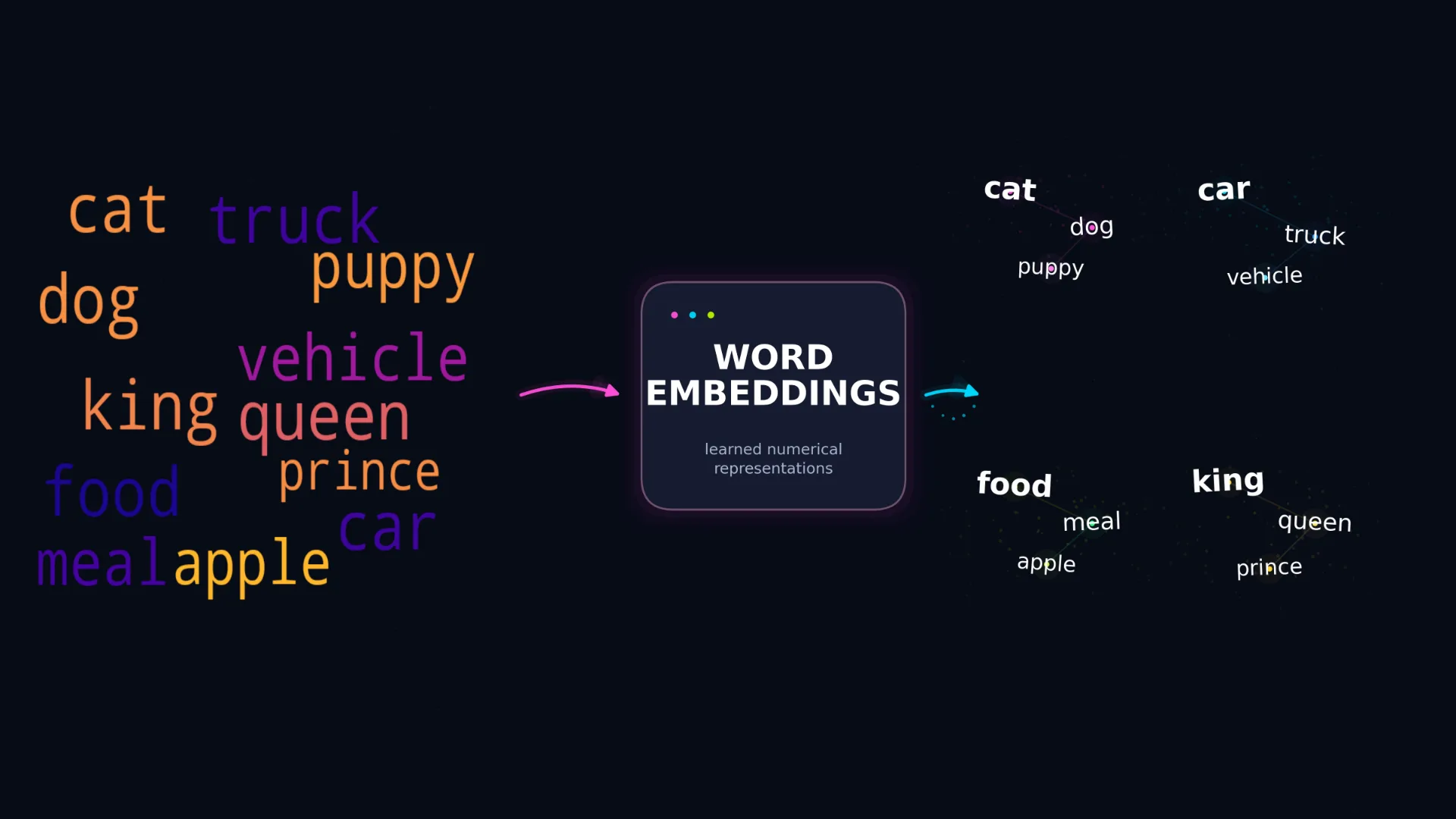
Understanding how words become related in a learned vector space
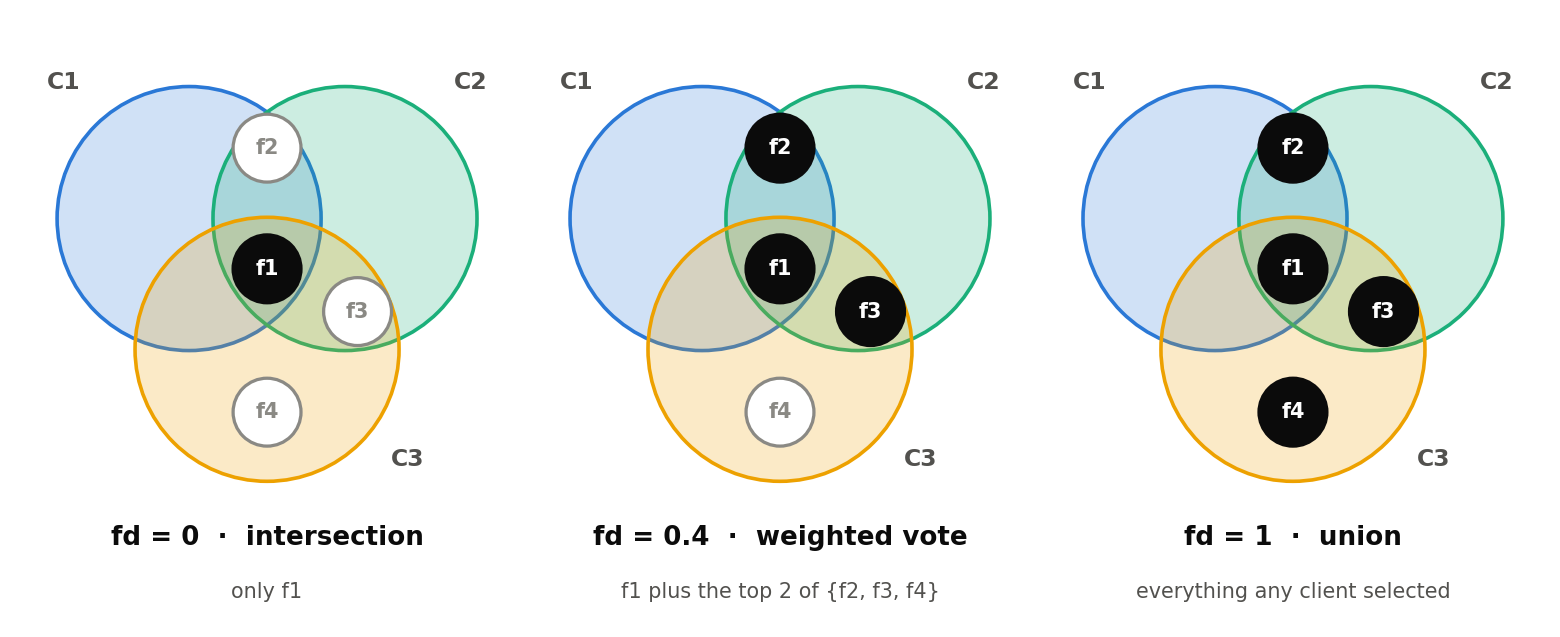
Hospitals, banks, and edge devices can agree on which features matter by sharing votes instead of rows, runnable in NVIDIA FLARE and Flower
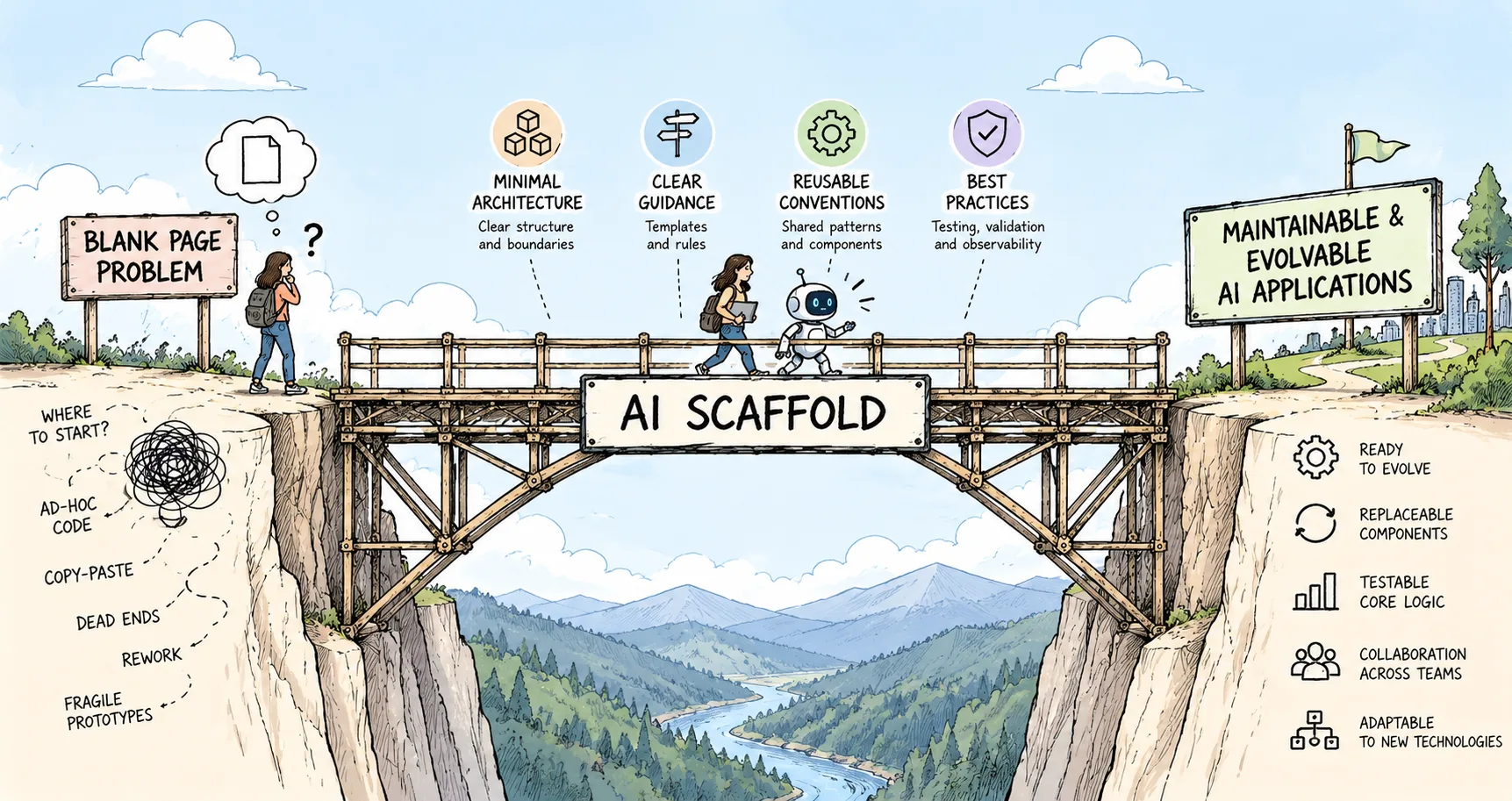
A technical reflection on why data scientists need software engineering principles when AI agents write code.
Agents got good. The hard part now is everything around them.
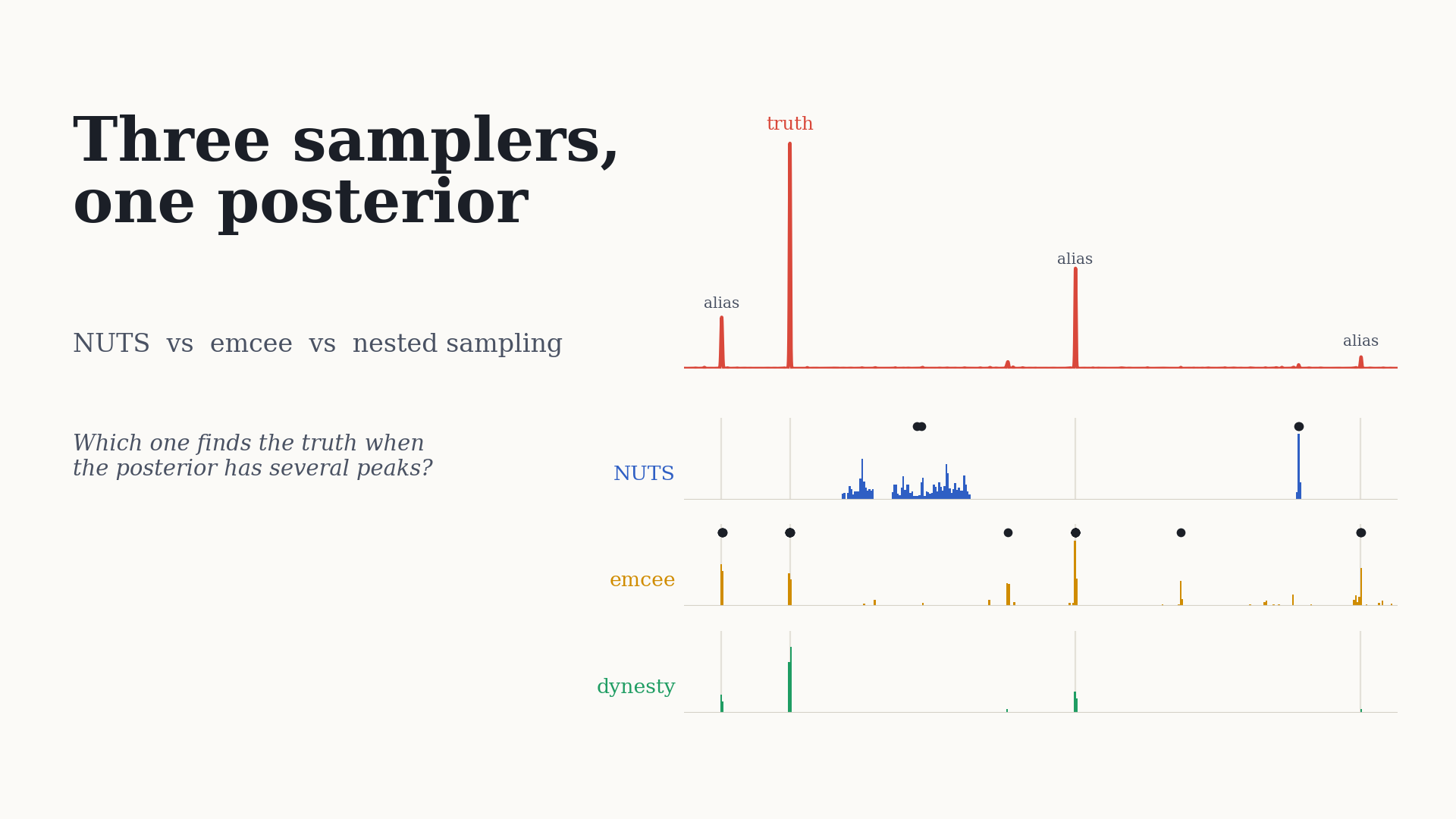
Benchmarking NumPyro, affine-invariant MCMC, and dynesty against exact ground truth and watching them fail.

Real repositories, seeded agent decisions: what 50,400 runs show about wasted turns, patch churn, and which harness rules help
A hands-on Jev repo comparison of routing accuracy, latency, and output reliability
Matching messy text, choosing representative examples, and generating comparison data.
I read the exact answer distribution from the logits of open models, base and instruction-tuned, and turned it into bits and guesses-to-crack.
Hospitals, banks, and edge devices can agree on which features matter by sharing votes instead of rows, runnable in NVIDIA FLARE and Flower
A technical reflection on why data scientists need software engineering principles when AI agents write code.
Real repositories, seeded agent decisions: what 50,400 runs show about wasted turns, patch churn, and which harness rules help

Sorting through the good, bad, and ambiguous aspects of vibe coding

Don't miss our most-read and -shared stories of the past month
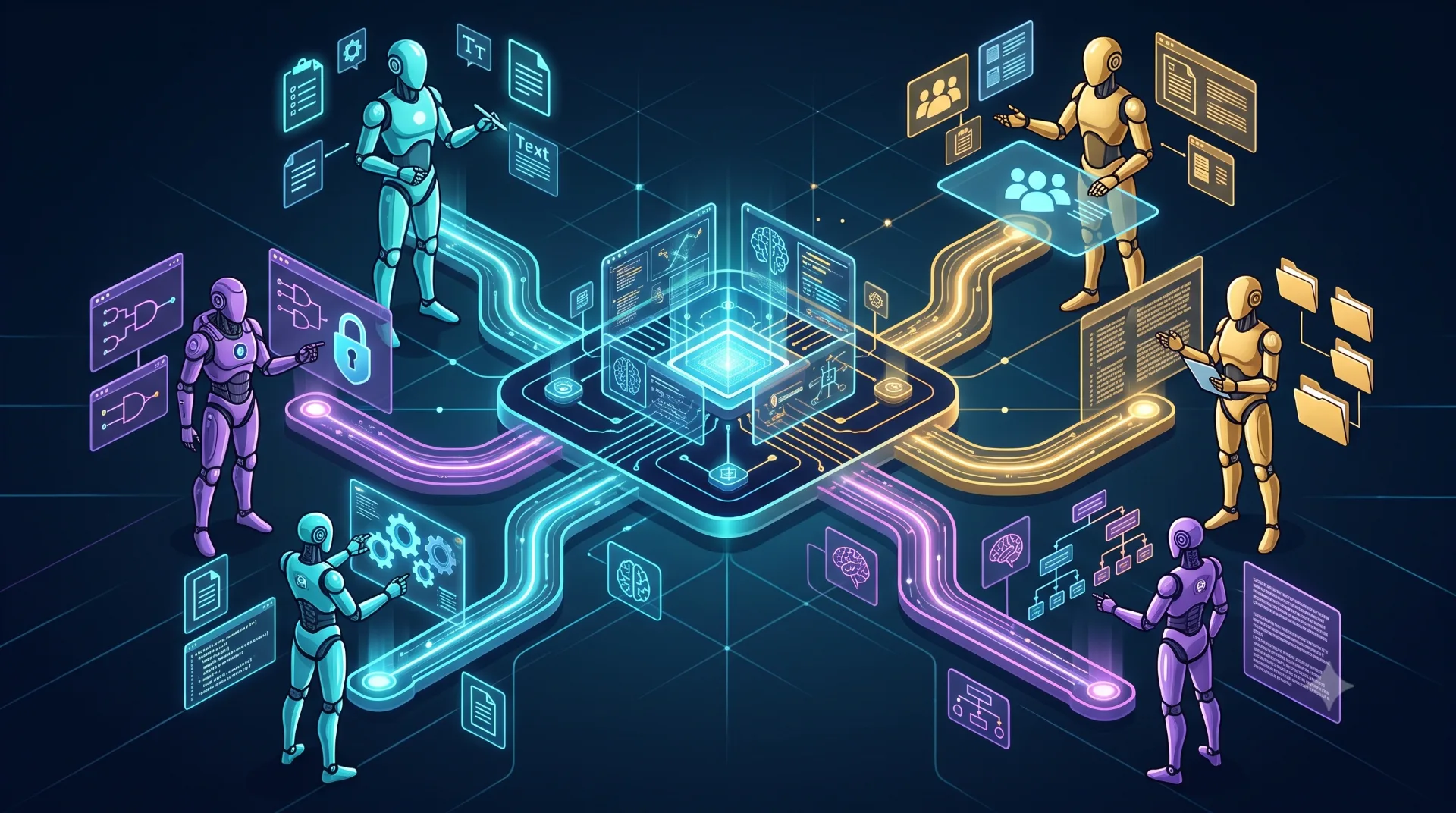
Beyond basic ReAct loops: six production-oriented architectures for building autonomous, reliable, and scalable LLM agents.
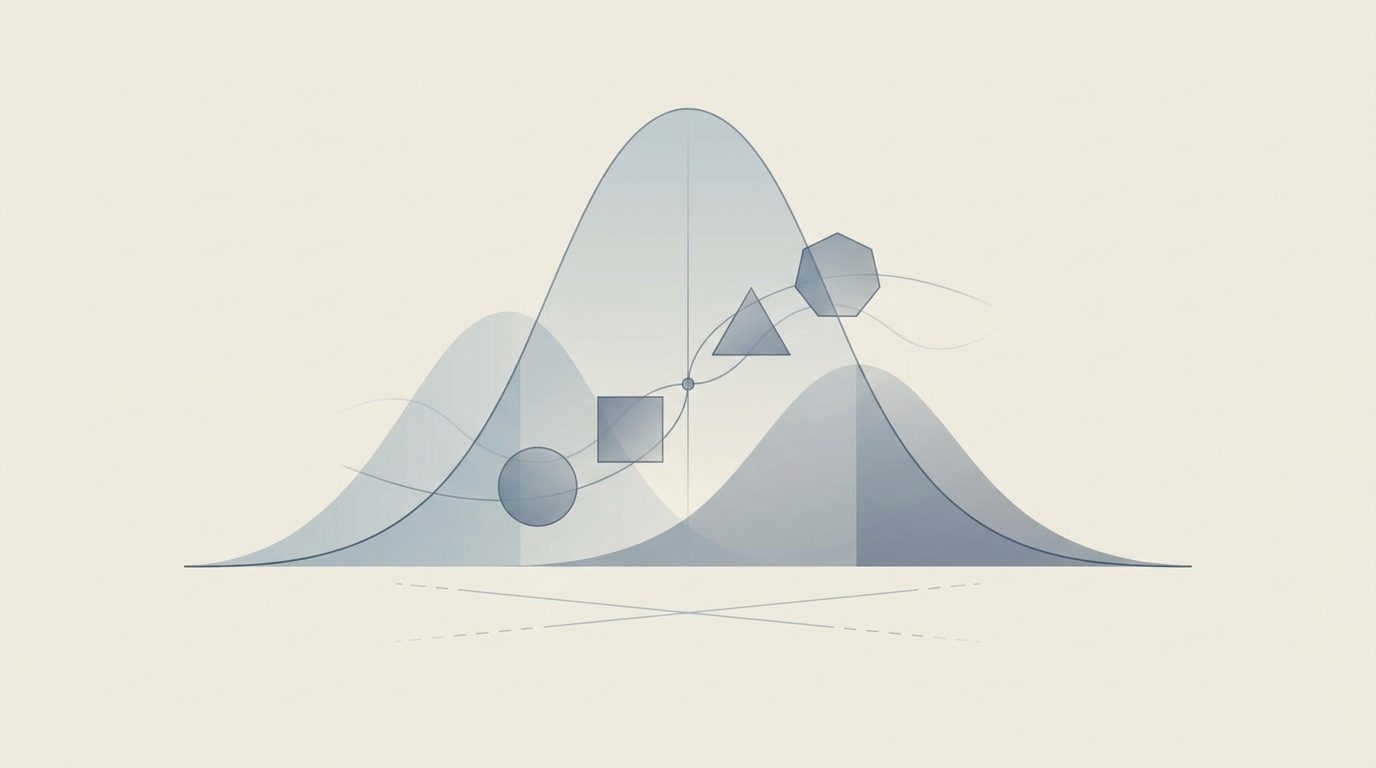
How statistical moments connect the mean, the variance, and higher powers of a distribution
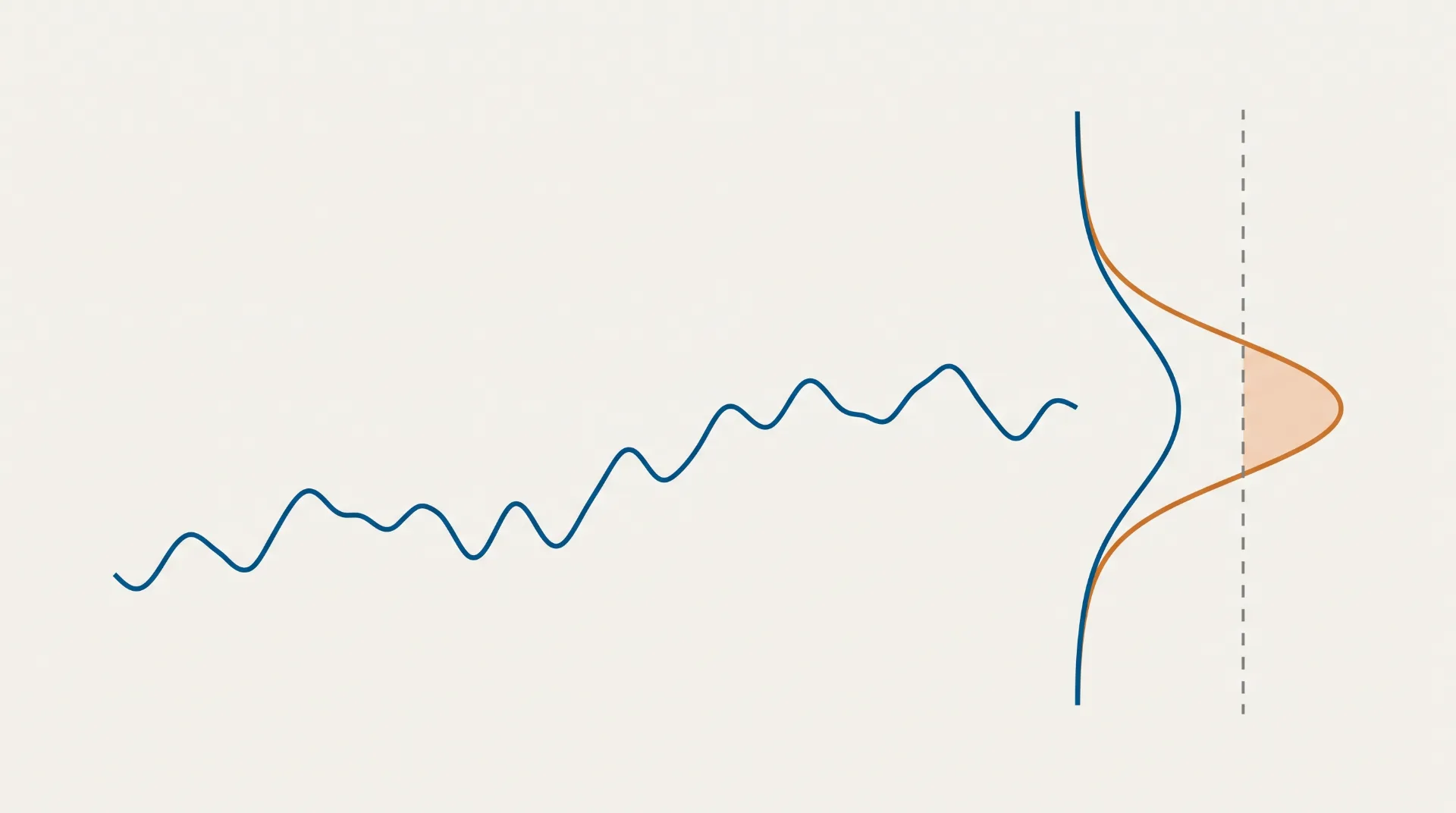
First in a series on probabilistic forecasting for physical signals. Next: what happens when you roll the forecast forward more than one step.

When Codex is the right shape for the problem, when Claude Code is, and how I split 5 specialist agents between them on dense AI capacity work.

Why the skill-inflation panic is aimed at the wrong thing, and what it costs to make agent knowledge a build artifact instead of a file.
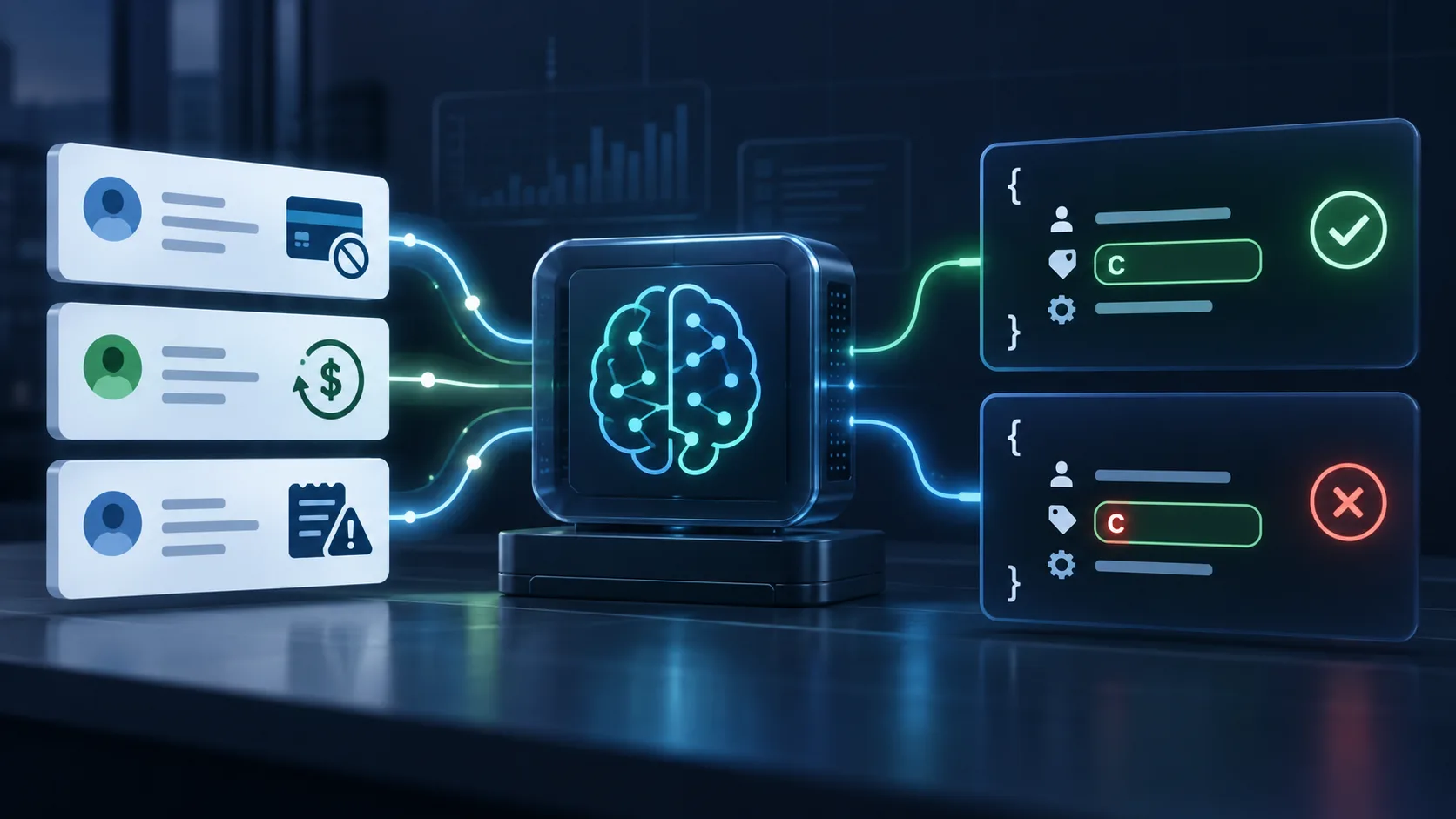
A real Weave project that regression-tests three OpenAI models against the exact reply format your app depends on.