

Cyberattacks generate enormous amounts of security data every day. Firewalls, servers, applications, cloud platforms and endpoint devices continuously produce logs and alerts. Without centralized monitoring, identifying malicious activity becomes slow, inconsistent and error-prone. Security Information and Event Management solves this challenge by collecting, analyzing and correlating security events from multiple sources within an organization’s infrastructure.
- Centralized Visibility: SIEM consolidates logs from multiple systems into a unified dashboard, allowing security analysts to view activity across the organization.
- Faster Threat Detection: Attackers often perform multiple actions before achieving their objective. SIEM identifies relationships between events that might appear harmless individually but dangerous when combined.
- Incident Investigation: Security teams can search historical logs, reconstruct attack timelines and analyze attacker behavior.
- Regulatory Compliance: Many regulations require organizations to retain logs and demonstrate monitoring capabilities.
- Reduced Manual Monitoring: Automated alerting and event correlation reduce the workload associated with reviewing raw logs.
Working of SIEM
A SIEM platform operates through several interconnected stages.
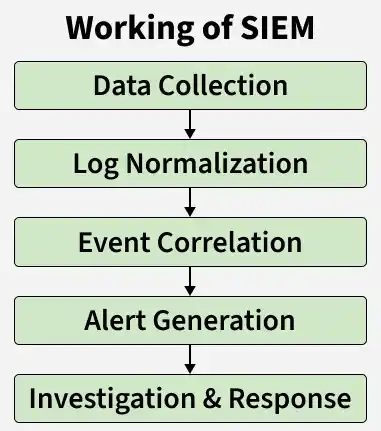
Step 1: Data Collection
SIEM collects logs and events from numerous sources, such as Firewalls, Routers, Servers, Endpoint devices, Antivirus systems, Intrusion Detection Systems (IDS), Applications, Databases, Cloud environments, Identity and access management platforms. Data can be gathered using: Agents, APIs, Syslog protocols, Native integrations.
Step 2: Log Normalization
Different devices generate logs in different formats. SIEM standardizes these records into a common format to simplify analysis and correlation. For example:
- A firewall may record: Source_IP=192.168.1.10, Destination_Port=443
- An operating system may log: User login failed from IP 192.168.1.10
Step 3: Event Correlation
Correlation is one of the most important SIEM capabilities. The platform analyzes relationships between events from different systems. Individually, these events may not trigger concern. Together, they may indicate an account compromise or insider threat. Example correlation scenario:
- Multiple failed login attempts detected.
- Successful login from unusual location.
- Privileged access escalation observed.
- Large data transfer initiated.
Step 4: Alert Generation
When predefined rules or behavioral analytics detect suspicious activity, SIEM generates alerts for security analysts. Alerts may include:
- Brute-force attack attempts.
- Malware activity.
- Unauthorized privilege escalation.
- Lateral movement.
- Suspicious network traffic.
- Data exfiltration indicators.
Step 5: Investigation and Response
Security teams review alerts, validate threats, investigate affected systems and initiate remediation actions. Some modern SIEM solutions integrate automation to accelerate incident response workflows.
Core Components of a SIEM System
A SIEM platform typically includes several essential components.
- Log Management: Effective log management enables analysts to access historical security records quickly. Handles Log collection, Storage, Parsing, Retention, Search functionality.
- Event Correlation Engine: The correlation engine links related events to identify potential attacks. Correlation rules can detect Authentication anomalies, Privilege abuse, Network intrusions, Malware execution, Policy violations.
- Alerting Mechanism: The alerting system notifies security teams when security conditions meet predefined criteria. Alerts can be prioritized according to severity levels.
- Dashboards and Reporting: Reports support executive oversight and compliance requirements. Dashboards provide visual insights into Security posture, Threat trends, Incident statistics, User behavior, Network activity.
- Threat Intelligence Integration: Many SIEM platforms incorporate threat intelligence feeds. This enhances detection accuracy. These feeds supply information such as Malicious IP addresses, Known malware indicators, Attack signatures, Threat actor indicators.
Capabilities of SIEM
Modern SIEM platforms provide a wide range of capabilities.
- Real-Time Monitoring: Continuous monitoring allows organizations to detect suspicious activity as it occurs.
- Security Analytics: Advanced analytics uncover patterns, anomalies and behavioral deviations.
- Log Retention: Organizations can preserve logs for audits, investigations and compliance purposes.
- User Activity Monitoring: SIEM helps track Login behavior, Access attempts, Privileged account action, Policy violations.
- Threat Hunting Support: Analysts can proactively search for hidden threats using historical data and investigative queries.
- Cloud Security Monitoring: Many organizations operate hybrid environments. SIEM solutions increasingly support Cloud workloads, SaaS applications, Multi-cloud visibility, Containerized environments.
Popular SIEM Solutions
Several platforms dominate the SIEM market.
- Splunk Security: Splunk Security is a powerful SIEM platform known for advanced log analysis, threat detection and security monitoring. It helps organizations investigate incidents quickly using real-time analytics and machine data.
- Microsoft Sentinel: A cloud-native SIEM and security analytics solution built on Microsoft Azure. It provides scalable threat detection, automated response and deep integration with Microsoft and third-party environments.
- IBM QRadar: IBM QRadar is an enterprise SIEM platform that focuses on log management, event correlation and network threat detection. It helps security teams prioritize alerts and identify suspicious activities across complex infrastructures.
- Elastic Security: Elastic Security combines SIEM and endpoint security capabilities using the Elastic Stack. It enables real-time monitoring, threat hunting and analytics across cloud, network and endpoint environments.
- LogRhythm: LogRhythm is a SIEM solution designed to improve threat detection, investigation and response workflows. It offers centralized log management, security analytics and automation to strengthen security operations.
- ArcSight: ArcSight is an enterprise-grade SIEM platform used for large-scale security monitoring and compliance management. It provides event correlation, threat intelligence integration and centralized visibility across organizations.
Simple SIEM Lab: Detect Failed Login Attempts Using Windows Event Logs
This lab demonstrates basic SIEM concepts using native Windows logs without requiring Splunk or cloud accounts.
- Objective: Monitor and analyze failed login attempts using Windows Security Event Logs.
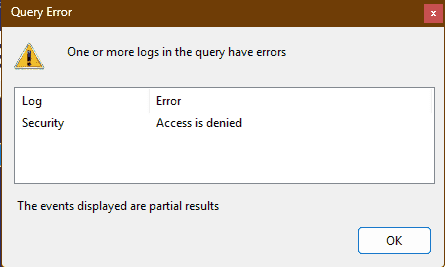
- Requirements: Windows VM or local Windows machine, Administrator access, Windows Event Viewer (built-in).
Step 1: Generate Failed Login Events
Create authentication failures. Windows automatically records these events.
- Lock your Windows system (Win + L).
- Enter the wrong password 4–5 times.
Step 2: Open Event Viewer
Open Run dialog:
Win + R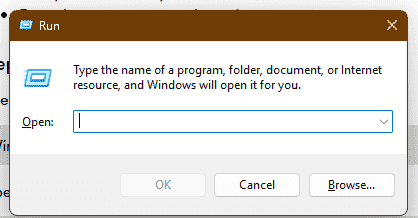
Type:
eventvwr.msc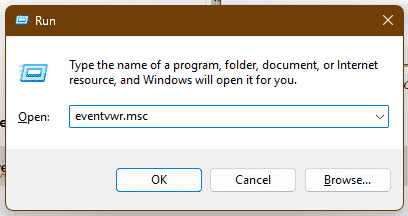
Navigate to: Windows Logs - Security
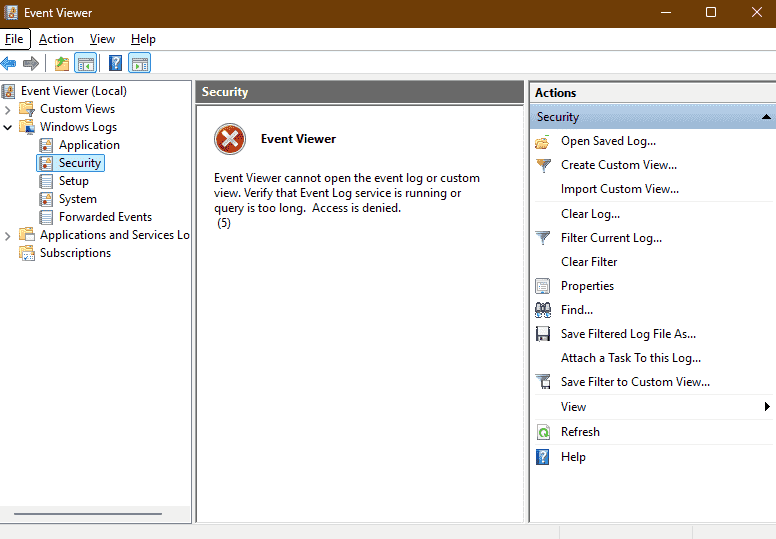
Step 3: Filter Failed Login Events
- Click: Filter Current Log
- Search for: 4625. Event ID 4625 corresponds to failed login attempts.
Step 4: Analyze the Log Entry
Open an event record. Observe details such as: Account Name, Failure Reason, Timestamp, Logon Type, Source Network Address (if remote).
Step 5: Create a Detection Rule (Optional)
You can simulate SIEM detection logic: This represents a basic brute-force detection use case. Rule Example IF failed login attempts > 3 within 5 minutes then trigger security alert.
Best Practices for Successful SIEM Deployment
Organizations can improve SIEM effectiveness by following proven practices.
- Define Clear Monitoring Objectives: Identify priority assets, critical systems and security goals.
- Onboard Relevant Log Sources: Focus on collecting logs that provide meaningful detection value.
- Reduce False Positives: Continuously tune correlation rules and alert thresholds.
- Use Threat Intelligence: Integrate updated threat feeds to strengthen detection capabilities.
- Conduct Regular Rule Reviews: Attack techniques evolve constantly. Detection logic should be reviewed and updated regularly.
- Train Security Teams: Analyst expertise significantly influences SIEM performance.
Challenges of SIEM Implementation
- High Data Volume: Large organizations generate millions of logs daily. Managing, storing and analyzing this data requires careful planning.
- Alert Fatigue: Poorly configured rules may produce excessive false positives. Excessive alerts can overwhelm security analysts.
- Complex Configuration: SIEM platforms require Proper tuning, Log source onboarding, Rule customization, Ongoing maintenance.
- Skilled Personnel Requirements: Effective SIEM operation often requires experienced security analysts.
- Cost Considerations: Licensing, storage, staffing and infrastructure expenses can impact deployment costs.
