

Software testing is a rewarding career that focuses on ensuring software applications are reliable, functional, and free from defects before they are released to users. Becoming a software tester requires learning testing concepts, gaining practical experience, and developing both technical and analytical skills.
- Learn the fundamentals of software testing, including manual and automation testing techniques.
- Develop practical skills by working with testing tools, writing test cases, and reporting defects.
- Continuously improve your knowledge through practice, certifications, and real-world projects to build a successful testing career.
Who is a Software Tester?
A software tester is a professional responsible for evaluating software applications to ensure they function correctly, meet business requirements, and are free from defects. They execute test cases, identify bugs, report issues, and work closely with developers to improve software quality before release.
Why Choose a Career in Software Testing?
Software testing is an excellent career choice for individuals who enjoy problem-solving, attention to detail, and improving software quality. It offers diverse job opportunities, continuous learning, and a clear career growth path in the IT industry, making it suitable for both freshers and experienced professionals.
- High demand for skilled software testers across various industries.
- Offers excellent career growth, competitive salaries, and specialization opportunities.
- Provides opportunities to work with modern technologies such as automation, AI, cloud, and DevOps.
What Does a Software Tester Do?
A software tester is responsible for verifying that software applications function correctly, meet specified requirements, and deliver a smooth user experience. They identify defects, validate fixes, and collaborate with developers and stakeholders to ensure high-quality software is released.
Roles and Responsibilities of a Software Tester
- Analyze software requirements and understand business needs before testing begins.
- Create detailed test plans, test scenarios, and test cases based on project requirements.
- Execute manual and automated tests to verify software functionality and performance.
- Identify, document, and report software defects using bug-tracking tools.
- Retest fixed defects to ensure issues are resolved without introducing new bugs.
- Perform different types of testing, such as functional, regression, smoke, sanity, usability, and performance testing.
- Validate software against functional and non-functional requirements.
- Collaborate with developers, business analysts, and project managers to resolve issues efficiently.
Skills Required to Become a Software Tester
To become a successful software tester, you need a combination of technical knowledge, soft skills, and analytical thinking. These skills help you identify defects, communicate effectively with the team, and ensure the delivery of high-quality software.
Technical Skills
Technical skills enable software testers to understand applications, execute tests efficiently, and use testing tools effectively.
- Knowledge of software testing concepts, SDLC, and STLC. .
- Basic understanding of programming languages such as Java, Python, or JavaScript.
- Experience with bug-tracking and test management tools (e.g., Jira, TestRail).
- Understanding of automation testing tools such as Selenium, Playwright, or Cypress.
- Basic knowledge of Agile, Scrum, and DevOps methodologies.
Soft Skills
Soft skills help testers collaborate with team members, communicate issues clearly, and manage testing activities effectively.
- Attention to detail and accuracy.
- Teamwork and collaboration.
- Time management and organizational skills.
- Willingness to learn new tools and technologies.
- Patience and persistence while identifying defects.
Analytical and Problem-Solving Skills
Analytical and problem-solving skills help testers identify the root cause of issues, think critically, and design effective test scenarios.
- Strong analytical thinking to understand complex software behavior.
- Ability to identify edge cases and potential risks
- Logical approach to troubleshooting and debugging issues.
- Decision-making skills for prioritizing defects based on severity.
Educational Qualifications
A career in software testing is open to candidates from various educational backgrounds. While a degree in computer science or a related field is beneficial, many professionals also enter the field through self-learning, online courses, and certifications.
Alternative Learning Paths
Many successful software testers have built their careers without a traditional computer science degree. Practical experience, online learning, and hands-on projects can help develop the required skills.
- Complete online courses in software testing and quality assurance.
- Learn manual testing, automation testing, SQL, and API testing through self-study.
- Build practical experience by working on personal or open-source testing projects.
Certifications
Professional certifications validate your testing knowledge and improve your credibility in the job market. They also help you stay updated with industry standards and best practices.
- ISTQB Foundation Level (CTFL): The most recognized certification for software testing fundamentals.
- Certified Agile Tester (CAT): Focuses on testing practices in Agile environments.
- Certified Selenium Professional: Demonstrates expertise in Selenium automation testing.
- Microsoft Certified: Azure Fundamentals (AZ-900): Provides foundational knowledge of cloud concepts useful for modern testing.
- Postman API Fundamentals Student Expert: Validates skills in API testing using Postman.
Read More: Software Testing Certifications.
Essential Skills and Learning Areas for Software Testing
- Understand Types of Software Testing: Learn various testing types like functional, non-functional, manual, automation, and performance testing.
- Manual Testing: Understand how to execute test cases and find defects without using automation tools.
- Automation Testing: Use tools and scripts to run test cases quickly and efficiently.
- Programming Basics: Gain basic coding knowledge to support automation and understand application logic.
- Database Testing: Validate data accuracy using SQL queries in backend systems.
- API Testing: Test communication between software components using tools like Postman.
- Bug Tracking and Test Management Tools: Manage test cases and track defects using tools like Jira.
- Agile and DevOps Concepts: Understand modern development practices for continuous testing and delivery.
Prepare for Software Testing Interviews
- Software Testing Interview Questions
- Automation Testing Interview Questions
- Manual Testing Interview Questions and Answers
- API Testing Interview Questions
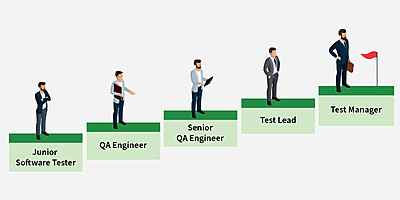
Career Path of a Software Tester
- Junior Software Tester: Entry-level role focused on executing test cases, reporting bugs, and learning basic testing concepts.
- QA Engineer: Responsible for designing test cases, performing different types of testing, and ensuring software quality.
- Senior QA Engineer: Handles complex testing tasks, mentors juniors, and contributes to test strategy and planning.
- Test Lead: Leads the testing team, assigns tasks, manages test plans, and ensures timely delivery of testing activities.
- Test Manager: Oversees the entire testing process, manages resources, and coordinates with stakeholders for quality assurance.
- QA Architect: Designs overall testing frameworks and strategies, focusing on automation, scalability, and best practices.
