Digital contracting and the benefits
- Digital contracting connects every stage of the contract lifecycle, from request to renewal, in one workflow.
- For legal, a main benefit is control: consistent risk positions, visible obligations and a defensible audit trail.
- For the rest of the business, digital contracting delivers self-service for low-risk agreements, which speeds up the business without legal losing oversight.
Digital contracting connects the people, processes and data involved in a contract across its entire lifecycle, from initial request and drafting through to negotiation, signature, storage and renewal. Instead of relying on email threads, shared drives and manual handovers, digital contracting brings it all into one connected workflow, making contract information accessible to the people who need it most.
For in-house legal teams, digital contracting helps standardize how agreements are created and reviewed, maintain visibility of contractual obligations and give the wider business access to approved processes without losing oversight of risk.
As other business functions adopt connected digital workflows, legal has an opportunity to modernize how it manages contracts. This guide explores how digital contracting works, its benefits for in-house legal and the wider business, and how Summize can support the process.
What is digital contracting?
Digital contracting is the use of technology to manage and connect activities across the full contract lifecycle. It brings together contract creation, review, negotiation, execution, storage and analysis, making it easier to manage agreements consistently and access the information they contain.
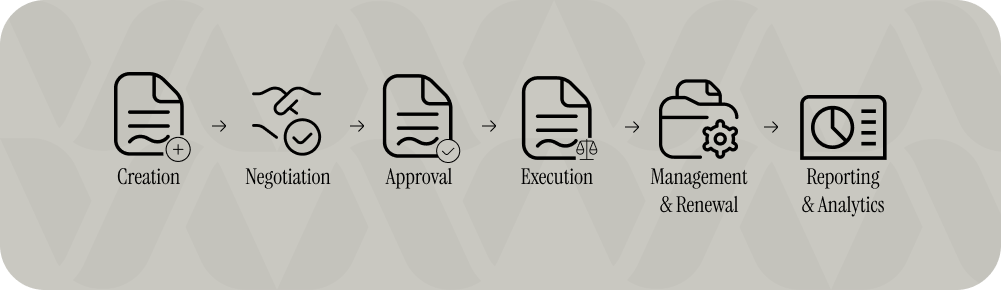
Digital contracting connects these stages into a single, repeatable process. A business user can submit a contract request through an intake form, generate an agreement from an approved template and send it to legal for review if it falls outside agreed parameters.
Once negotiated and signed, the agreement is stored in a centralized repository, where key terms, obligations and renewal dates can be extracted, automatically synced to calendars and tracked.
This means contract information doesn’t disappear once an agreement is signed – instead, it’s accessible and useful throughout the contract’s lifecycle, supporting everything from renewal planning to risk analysis and reporting.
What are the benefits of digital contracting?
Digital contracting delivers benefits across the contract lifecycle, helping legal teams maintain oversight while giving the wider business more autonomy. Here are some benefits at a glance:
{{testimonial 1}}
How does digital contracting help in-house legal teams?
For in-house legal teams, the true value of digital contracting is in greater control over creation and negotiation, more visibility of contractual obligations and the intelligence that can be extracted from an entire contract portfolio and used to support decision-making.
Consistent risk allocation
Contract terms determine how commercial risk is allocated between parties. Indemnities, limitations of liability, warranties, termination rights and data protection provisions can all have significant implications for the organization. Digital contracting helps legal teams maintain greater consistency and oversight by enabling them to:
- Operationalize approved legal positions through standardized templates, clause libraries and review playbooks that guide how agreements are drafted and negotiated
- Identify deviations from agreed positions using AI-assisted review to flag non-standard language and clauses that need a closer look
- Maintain control of contractual exceptions by establishing approval workflows and escalation points for terms that fall outside the organization’s risk appetite
Contractual obligations and governance
Signing an agreement is only the beginning of its contractual lifecycle. Legal teams need visibility of all the commitments the business has made, from service levels and payment terms to data protection requirements and renewal deadlines. Digital contracting helps teams:
- Improve visibility of contractual commitments by centralizing agreements and making key terms, obligations and dates easier to locate
- Stay ahead of important deadlines by extracting renewal dates, termination notice periods and other key milestones to support proactive contract management
- Strengthen accountability across the business by giving teams responsible for fulfilling contractual obligations easy access to the information they need
Audit trails and defensible decision-making
In-house legal teams need to understand what an agreement says and how it reached its final form. Being able to demonstrate how contractual decisions were made is particularly important during disputes, internal audits, due diligence exercises and regulatory reviews. Digital contracting helps legal teams:
- Maintain a clear record of contract changes through version histories, tracked amendments and records of who changed what and when
- Demonstrate the right approval processes by documenting reviews, sign-offs and decisions made throughout the negotiation process
- Support defensible legal decisions with an accessible audit trail that helps show whether contractual deviations were reviewed and approved by the right stakeholders
Contract data as legal intelligence
Individual contracts contain valuable information about liability caps, indemnities, governing law, renewal rights, pricing and supplier commitments. When this information is structured and searchable across the contract portfolio, legal teams can identify patterns and provide more proactive advice. Digital contracting enables legal teams to:
- Identify contractual exposure across the portfolio by searching for specific clauses, risk positions and terms, rather than reviewing agreements individually
- Take a proactive approach to renewals and obligations by identifying upcoming deadlines, commercial commitments and agreements that might need attention
- Provide more informed advice to the business using contract analytics and AI-powered insights to answer portfolio-level questions and support decisions with the right contractual data
{{quote 1}}
How does digital contracting benefit the wider business?
The benefits of digital contracting aren’t limited to the legal department. Because contracts underpin commercial relationships across sales, procurement, finance, HR and marketing, the processes used to manage them affect almost every function. Digital contracting gives these teams better access to the workflows and information they need, while allowing legal to maintain oversight of how agreements are created and managed.
By embedding contract processes into familiar tools like Microsoft Word, Outlook, Teams, Slack, HubSpot and more, organizations can give employees a straightforward way to submit contract requests, generate agreements from pre-approved templates, track statuses and access existing contract information without using a separate system for every task.
Self-service is especially valuable for routine, lower-risk agreements. Business users can work from templates and defined parameters, while legal stays in control over standard clauses, approval requirements and escalation points. Requests that fall outside those parameters can be routed to legal for further review.
This approach can reduce unnecessary handoffs and give business teams greater visibility of request statuses. The result is shorter contract cycles (often up to 50% shorter, according to 2026 Docusign research), and faster turnaround, without legal losing oversight.
How does Summize deliver digital contracting?
Summize is a contract intelligence system designed to connect contract operations and legal knowledge with AI-powered analysis. Rather than treating contract management, legal knowledge and AI as separate capabilities, Summize brings them together in one connected approach, embedded in the tools teams already use.
Across the contract lifecycle, Summize supports:
- Contract requests and creation: Structured intake workflows and pre-approved templates help business users initiate requests and create routine agreements within legal’s defined parameters
- Contract review: Our AI-powered review capabilities redline your contracts in Microsoft Word against legal requirements and playbooks, highlighting relevant clauses and potential deviations
- Contract repository: A centralized repository makes executed agreements easier to locate, search and manage
- Contract intelligence and analytics: SIA (Summize Intelligence Agents) helps users retrieve and analyze contractual information, supporting questions that extend beyond an individual document
{{testimonial 2}}
Find out more about how Summize delivers more intelligent digital contracting, or speak to a member of the team to see it in action.

“Digital contracting gives legal teams the visibility and control they need to manage risk effectively. When contracts are managed efficiently and the information within them is accessible, legal can spend less time dealing with admin requests and more time providing the commercial advice the business needs.”

"Summize has allowed us to organize our contracts, create an integrated workflow for requests and approvals, build tools like a calendar alert system, improve redlining efficiency, and manage contracts efficiently."

Summize has given both procurement and legal a single source of truth. Contracts are easier to find, understand and accessible to the wider business without losing legal oversight. The visibility we now have around renewals, risk and obligations has been a real improvement, and we’ve seen great efficiencies in our legal review processes for new contracts.

Frequently Asked Questions
View all