


I never stopped loving my Steam Deck. We just grew apart. Valve's handheld was a revelation when it was released three years ago, and for a certain period of time, the vast majority of the gaming I did was on the Steam Deck. But, as time has gone on, I haven't used my Steam Deck as much. Games got more demanding, Valve pushed the definition of "Deck Verified" too far one too many times, and although I still pick up my Deck for a round of Balatro or a run of Hades II, it hasn't gotten nearly the attention it deserves. But over the past couple of weeks, I haven't been able to put my Steam Deck down, and that's because of Nvidia.
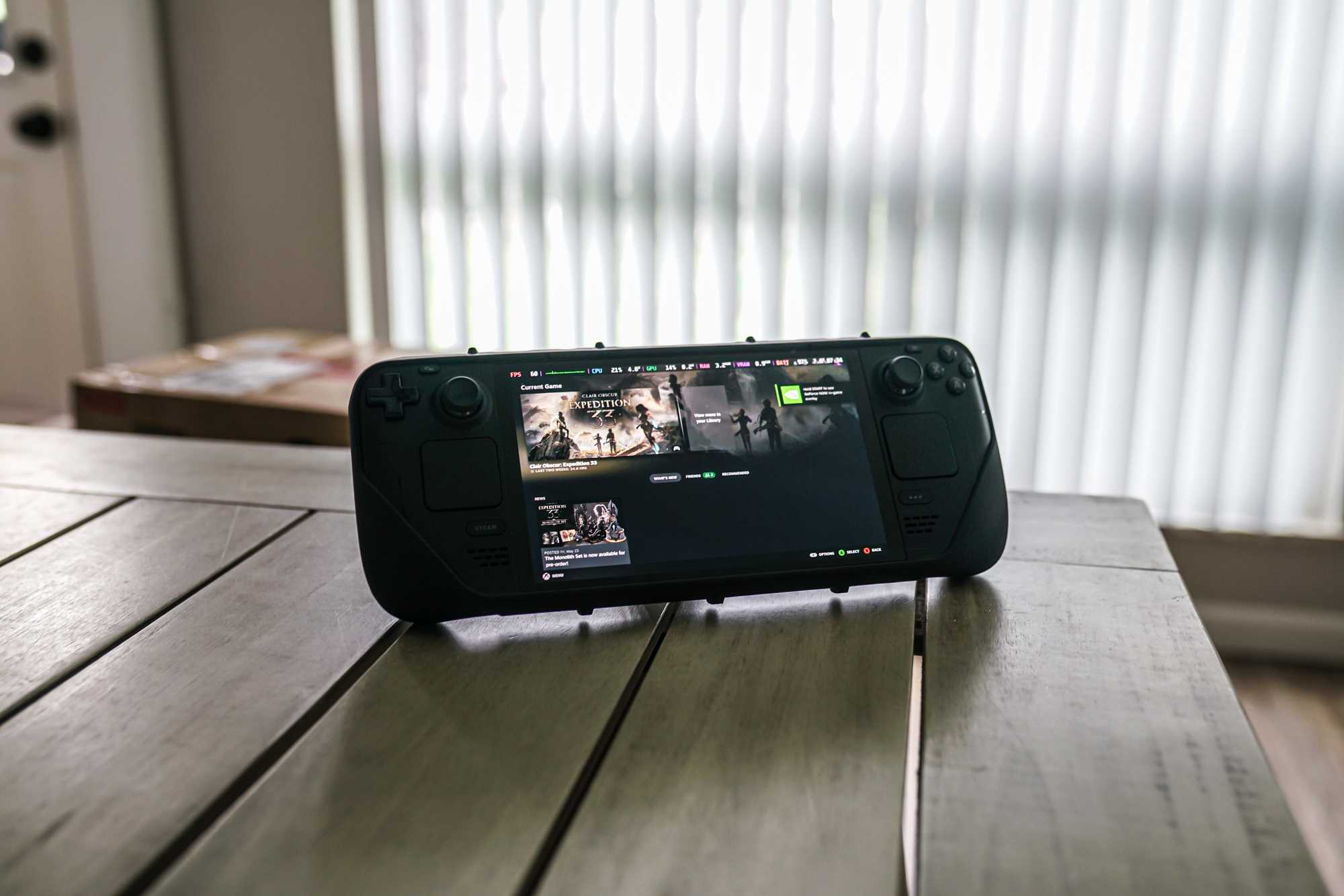
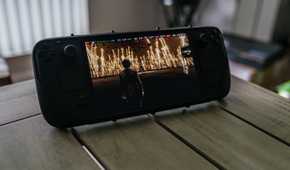
Finally, the native GeForce Now app is available on the Steam Deck. You've been able to access GeForce Now through your browser for ages, but the native app feels, well, native. Your controller works, the interface doesn't break, you don't need to invoke the on-screen keyboard, and everything happens directly from the Steam Deck's Game Mode. Just like the Steam Deck was a revelation three years ago, revisiting cloud gaming on the handheld after a years-long hiatus feels like a revelation in its own right.
GeForce Now and the Steam Deck are a match made in heaven
A unique handheld and a unique cloud gaming service


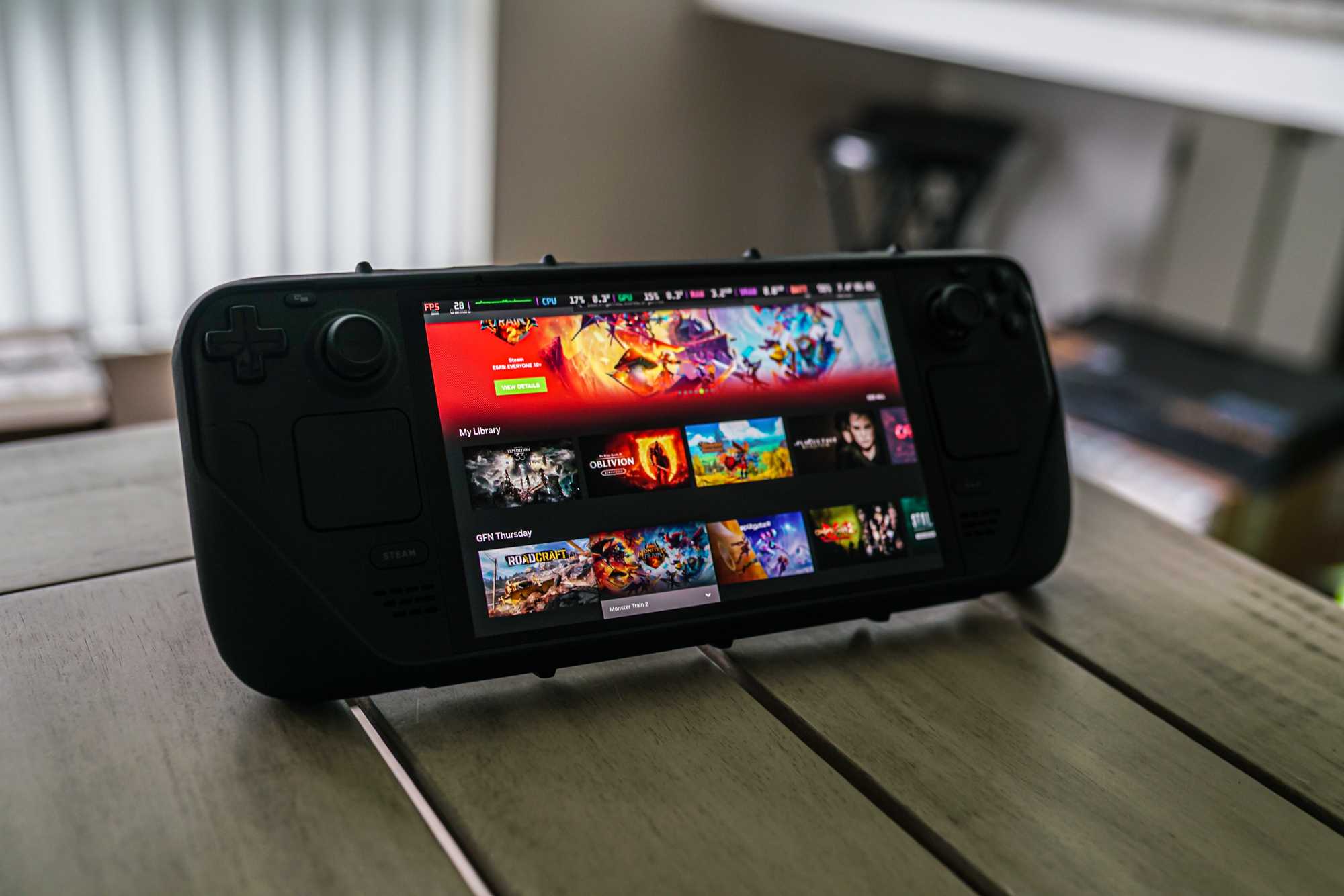
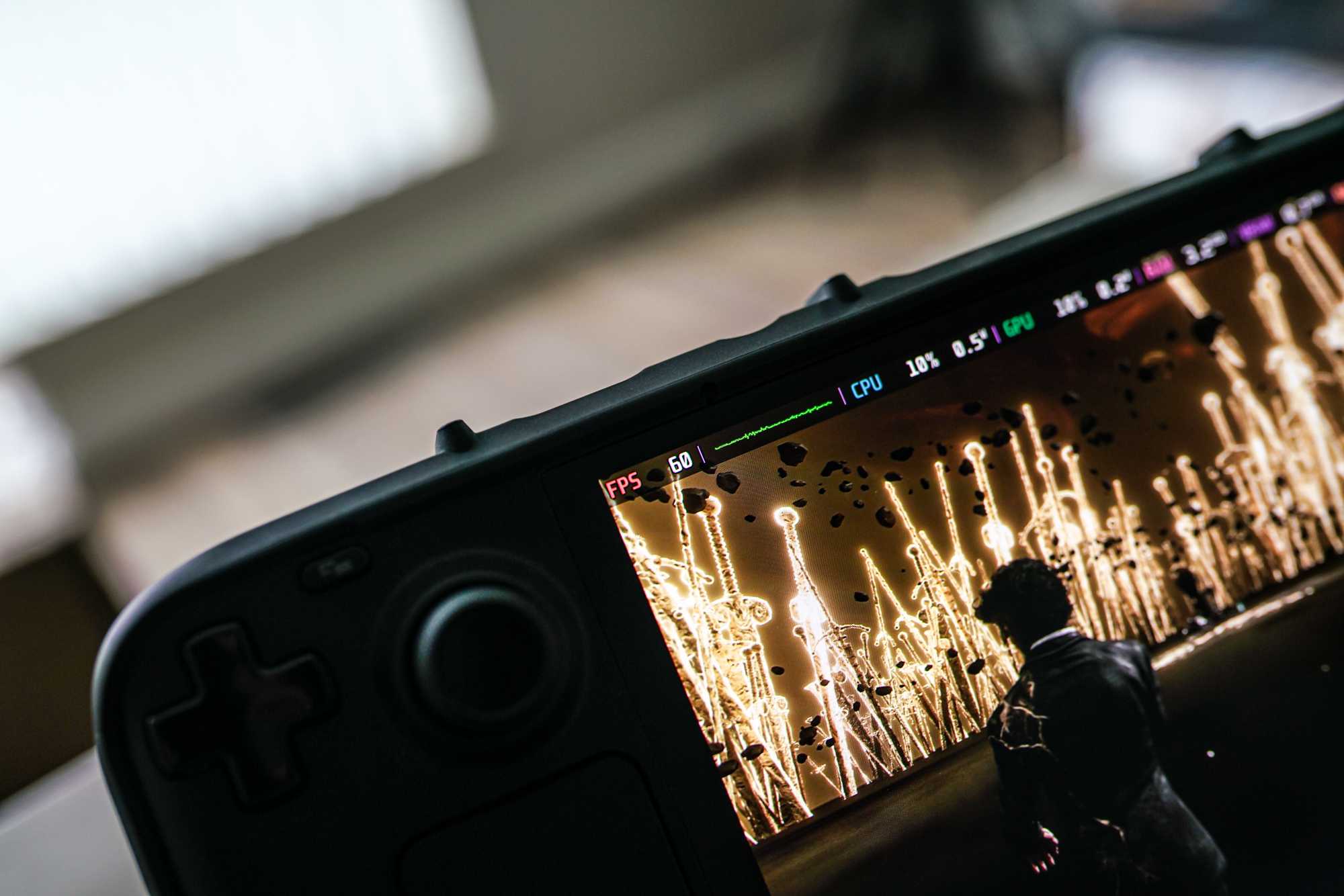

I was an early adopter of GeForce Now and cloud gaming in general. I bought a glap Play p/1 years before every tech-adjacent brand had a telescopic controller, and I had GeForce Now pinned on my home screen. I tried services like Shadow, Stadia, and Luna, but GeForce Now is where I spent most of my time. And the reason for that remains the same today. I was able to play my Steam games and pick up my saves, and I didn't have to shell out for a separate copy of the game to specifically play from the cloud. This was back when GeForce Now just had a single paid plan, but for a long time, I used the free tier, which is still available today.
With the arrival of the Steam Deck, my GeForce Now membership became all but obsolete. Everything I wanted to play on GeForce Now was perfectly playable on the Steam Deck, and I find it ironic that we've come full circle. Now, games that I can't play on my Steam Deck, I can play on GeForce Now. Games like Doom: The Dark Ages, Oblivion Remastered, and Indiana Jones and the Great Circle just don't run well, or even at all, on the Steam Deck. Now, I can use the Steam Deck's horsepower for lighter games, and I can reach out to the cloud if I want to push anything more demanding. GeForce Now doesn't support my full Steam library, not even close. But if Nvidia releases a Game-Ready Driver for a new title, you can assume it's probably being added to GeForce Now.
This has been possible for a while, but even after setting it up, I never used GeForce Now on the Steam Deck. For the past two weeks, I've been using it every day, and that speaks to why a native app is important. The reason a native app works so much better than the browser workaround is the same reason I use the Steam Deck over more powerful Windows-based handhelds; it's easy. There are some of my gadgets where I could spend a whole day tinkering, and there are others I just expect to work without fuss. When I pick up my Steam Deck for 45 minutes before going to sleep, I want it to just work, not dissimilar to booting up a streaming app on my TV.
Cloud gaming is back in action
I've been using GeForce Now a ton

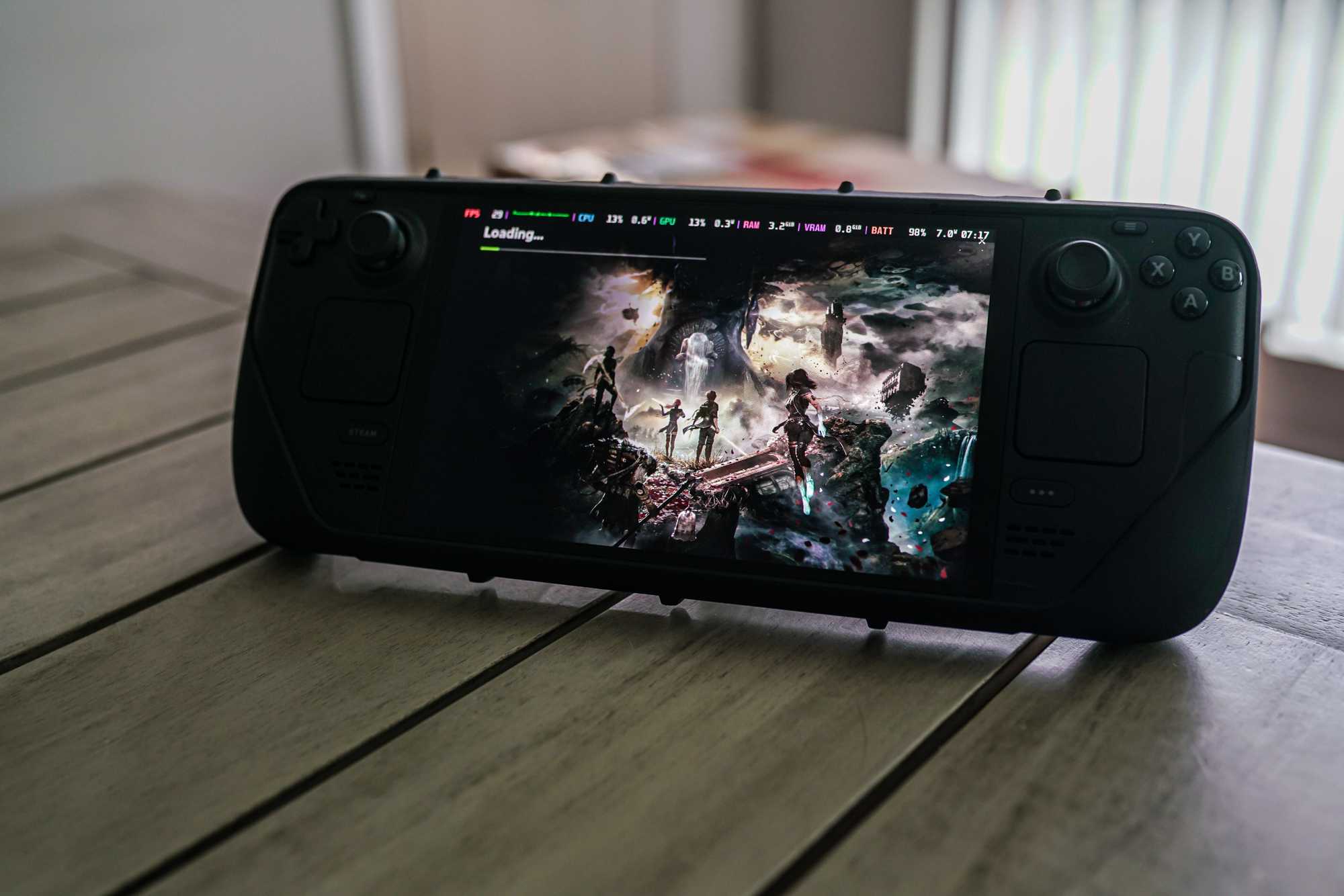
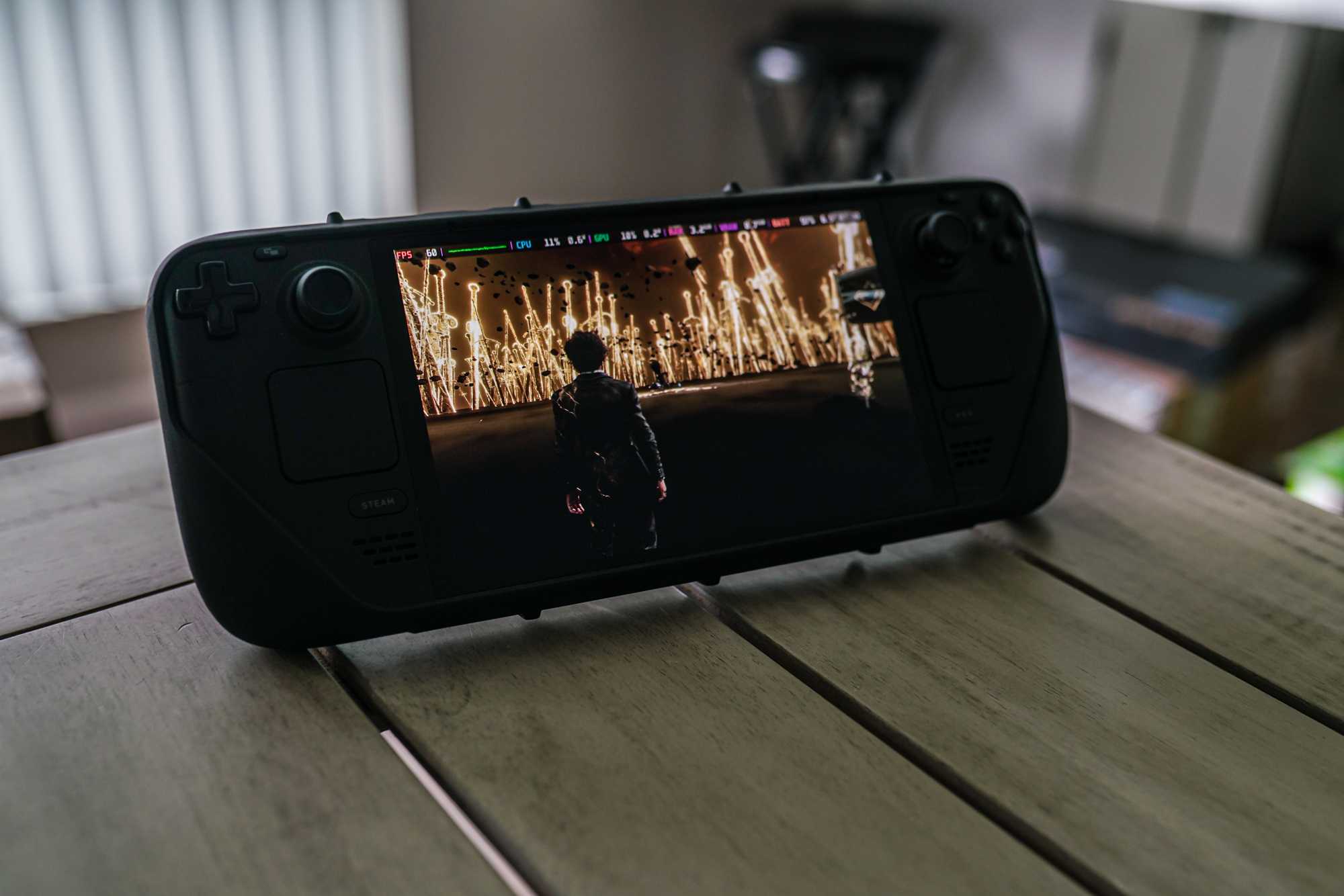
I've mostly been cleaning up my playthrough of Clair Obscur: Expedition 33 using GeForce Now over the past couple of weeks, which is a perfect fit. It runs on the Steam Deck, but the frame rate is inconsistent, it sucks down the battery, and the tight parry windows almost require smoothness. GeForce Now gets around those issues. I'm able to play at 1080p with the Epic preset handheld, and I get a consistent 60 fps. And when I want to play on the big screen, I can pop my Steam Deck down on the dock and play at 4K with 60 fps. There are natural streaming artifacts, but cloud gaming has come a long way in the past few years.
And that's because the internet has come a long way in the past few years. When GeForce Now launched into beta in 2015, the average global download speed was 24.7Mbps, with nearly half of the world still using a connection that was 10Mbps or slower, according to Cisco. In 2023, Cisco says that 96% of the world achieved speeds above 10Mbps, with the global average coming in at 110.4Mbps. That's a world of difference for any cloud gaming service, including GeForce Now, which calls for at least 25Mbps if you're streaming at 1080p, and upwards of 45Mbps if you're playing at 4K.

The availability of games via cloud streaming services has massively increased, too, and a big part of that push comes from GeForce Now. New titles are added to the platform as they're released, and you'll find a catalog of games from Steam, the Epic Games Store, Ubisoft Connect, and other major PC gaming platforms. But the big addition has been Xbox Game Pass. Nvidia announced that it would bring Game Pass titles to GeForce Now two years ago, and it's slowly built up the library of supported titles over time. At the time of writing, 164 titles through the PC Game Pass library are available on GeForce Now, which is nearing half of all titles available through the service.
The rest of the industry has caught up with cloud gaming. Years ago, when I was still struggling with my glap controller and inconsistent input lag, cloud gaming was a niche feature for an audience largely located on the coasts of the United States, where access to high-speed internet is cheap and plentiful, and fragmented, with various competing brands all trying to corner their portion of the market. Native access to GeForce Now on the Steam Deck brings the benefits of cloud gaming into focus. You don't need to wait for downloads to try out games, and you can achieve better performance. But more than anything, it shows how cloud gaming works as a companion to a dedicated gaming handheld, rather than the primary destination for playing games.
An unforseen upside with the cloud
Battery life soars

Although the evolution of the usability and practicality of cloud gaming is what stood out most to me when using the native GeForce Now app on the Steam Deck, I can't get out of here without mentioning battery life. It's no secret that handheld gaming PCs don't have great battery life, and that remains the case even with the more efficient Steam Deck OLED and with the increased battery size of the ROG Ally X. In a demanding game, we've gone from maybe two hours to three hours with the latest batch of handhelds, which is a massive improvement. But it's still not great from the perspective of, you know, actual time.
I could get about eight hours of battery life out of my Steam Deck OLED when using GeForce Now, regardless of what I was playing. Nvidia claims you'll see something like a 50% improvement in battery life when using GeForce Now, but I don't think that number tells the full story. With some games, you could actually see a much larger improvement in battery life. Here's how I like to think about it: I can play any game I want on my Steam Deck while getting the battery life of playing Balatro.
You can only squeeze so much battery life out of a device while running anything, and for the Steam Deck OLED, that's about eight hours when you're playing something very light, like Balatro. GeForce Now basically maximizes battery life because you're running a lightweight app that just stresses your internet connection. You aren't going to see any big battery life boost from playing Dead Cells, but you'll see hours upon hours of additional playtime if you boot up Oblivion Remastered or Cyberpunk 2077.
A handheld companion
If nothing else, GeForce Now has given me an excuse to pick up my Steam Deck more. I've been looking for one, but after more than a dozen big releases where performance is questionable on the Steam Deck, I haven't reached for it as much as I would like. A native, easy-to-use GeForce Now app gives the handheld a lot more life, particularly in those prestige AAA games that have proven too demanding for Valve's handheld. At the very least, it's a nice stopgap to have while we wait for the next generation of PC gaming handhelds.
