


When I upgraded to the Alienware AW2725DF 360Hz OLED from the Zowie XL2546K last year, I expected a big jump in motion smoothness. The 240Hz panel was already pretty fast and ideal for competitive gaming, but I wanted to experience what the next step actually felt like, especially since I mainly play esports titles like Valorant and Counter-Strike 2. After using a 360Hz monitor almost every day for a year and a half, I can confidently say that the upgrade is not as impressive as I thought it would be.
At first, I did notice the improvement, and I was happy about it. Tracking enemies in fast-paced shooters became slightly easier, and flick shots felt cleaner with less blur trailing during fast camera movements. However, once the honeymoon phase wore off, the difference between 240Hz and 360Hz started feeling more like a refinement than a major leap. Sure, it made games feel smoother, but it also made me more sensitive to FPS drops and CPU bottlenecks.
Your CPU suddenly matters more
At higher refresh rates, games just become more CPU-bound


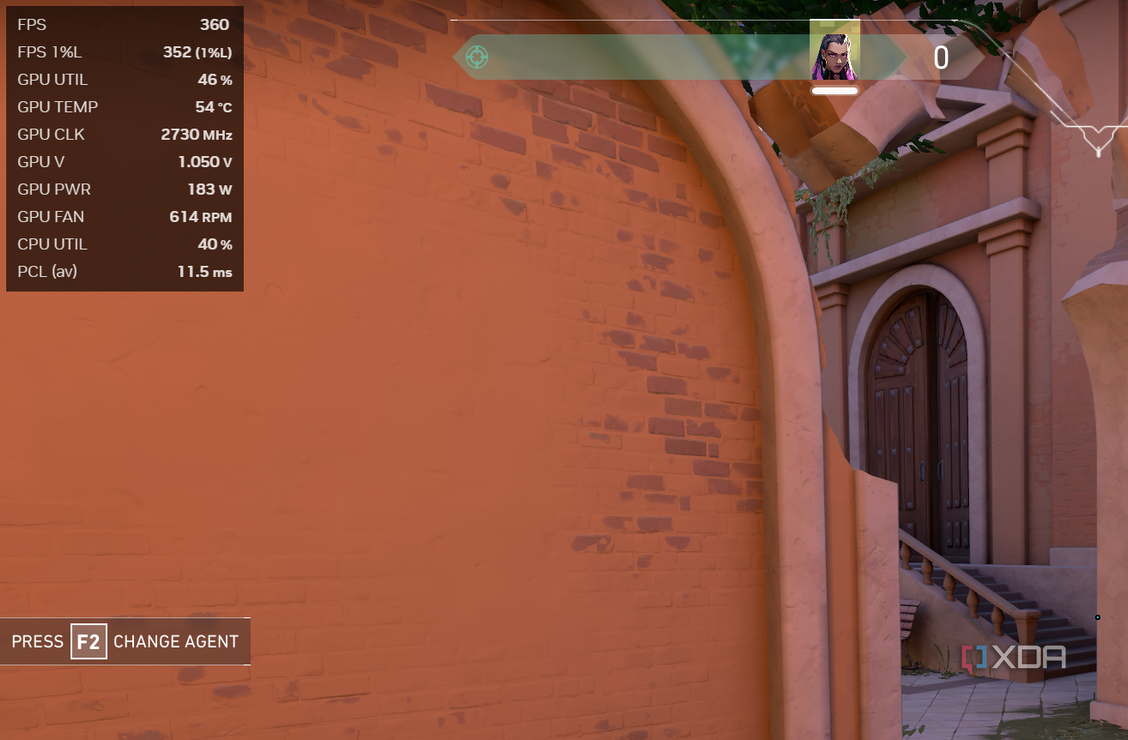


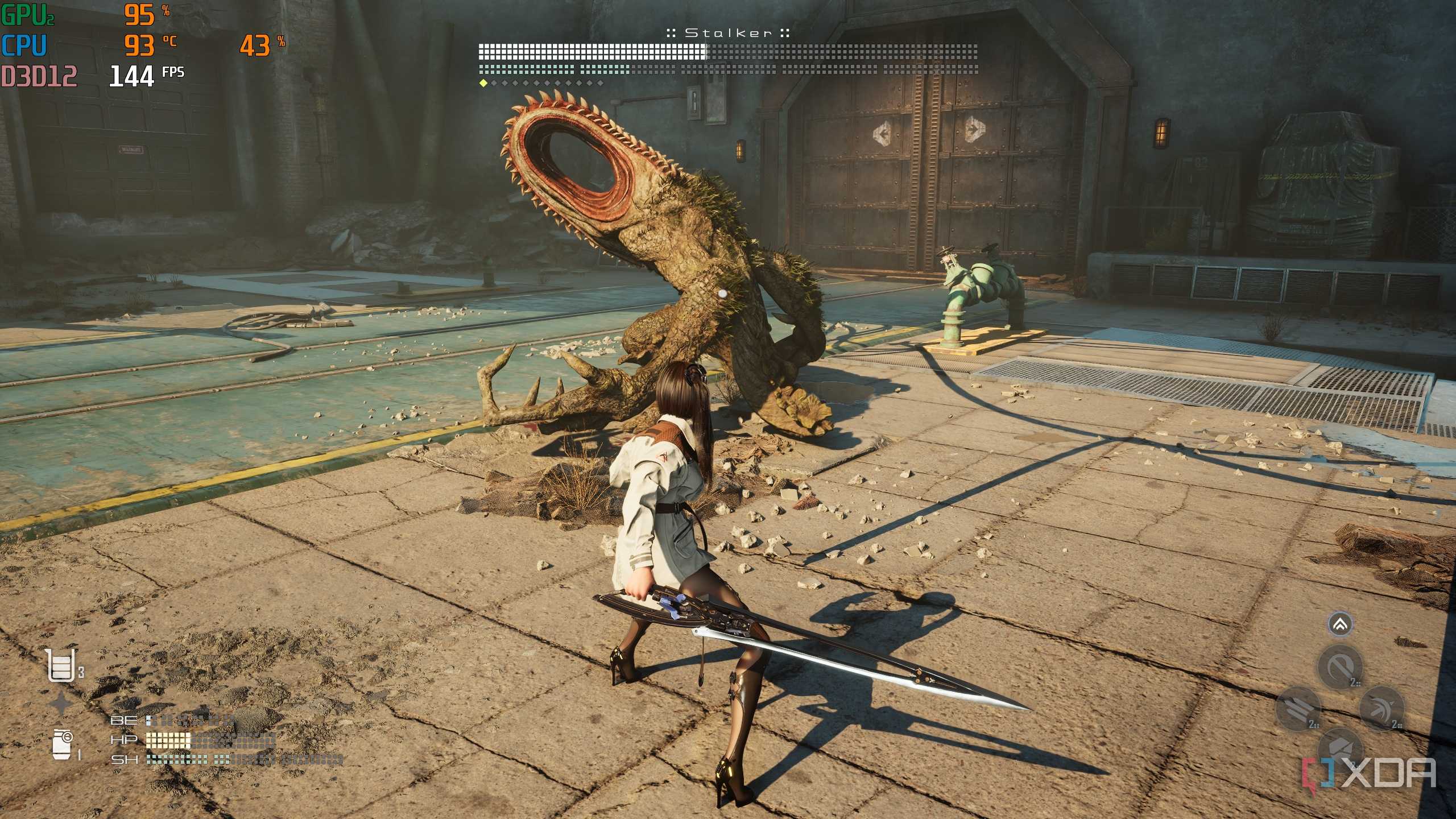
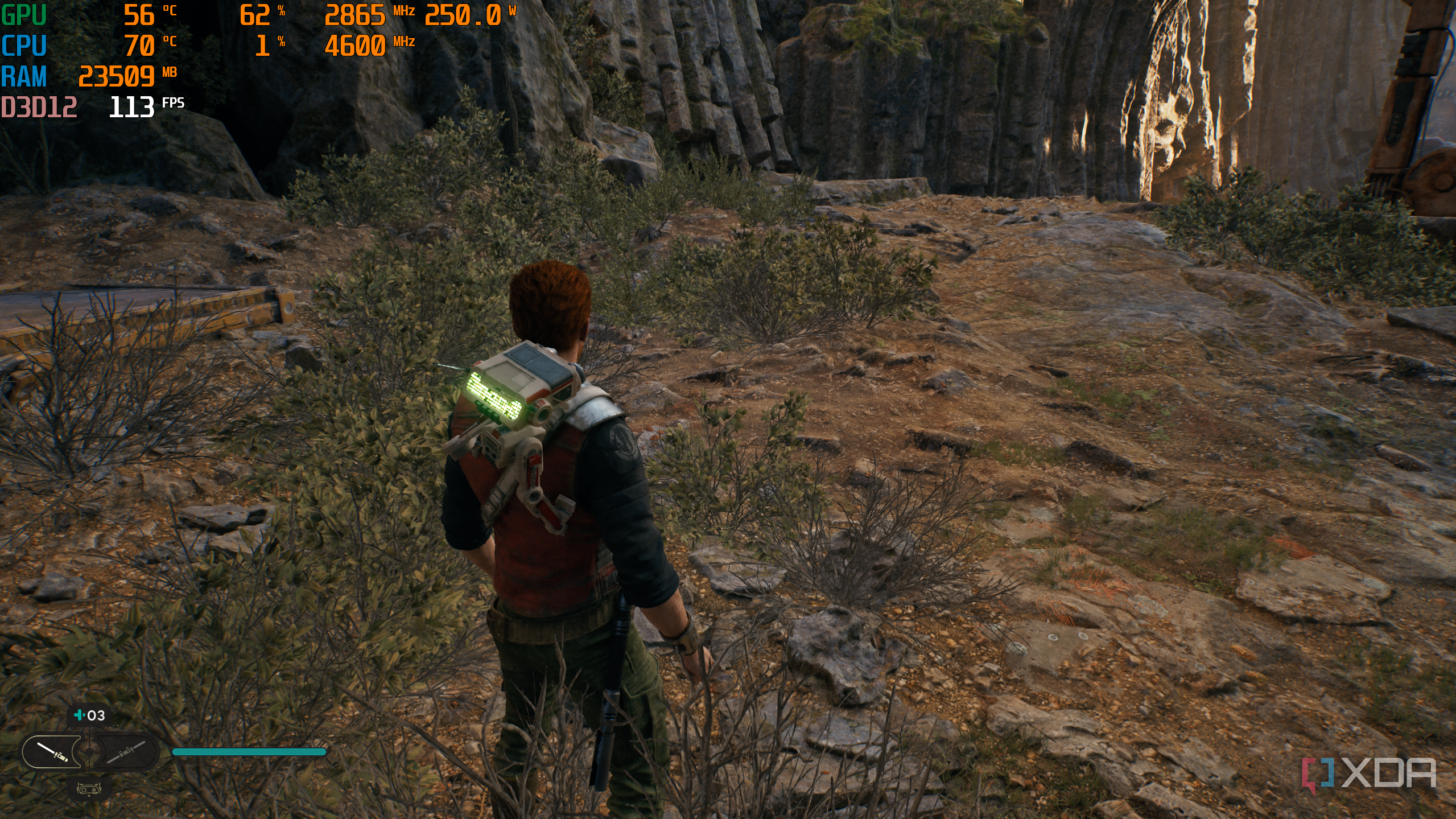
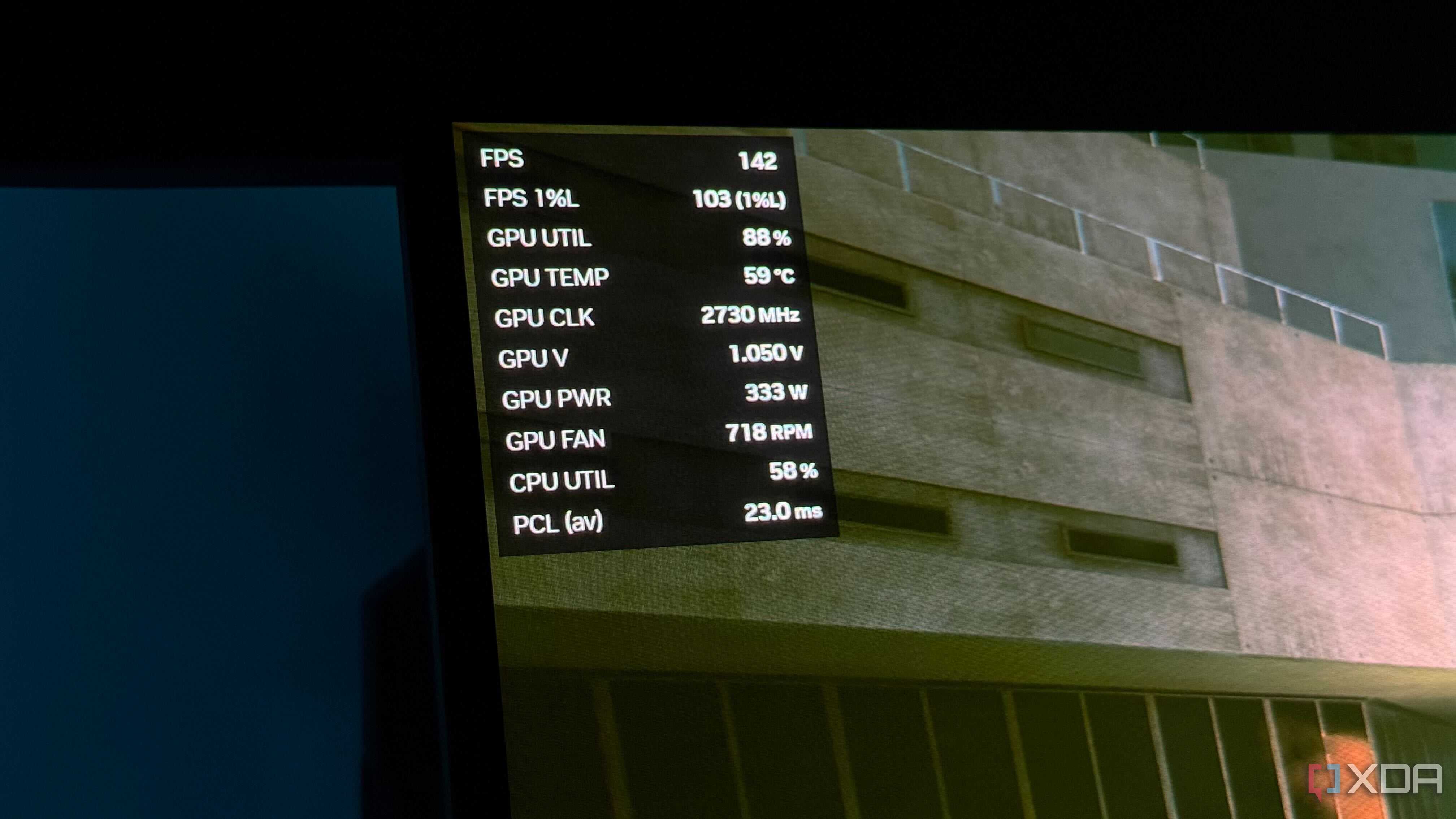
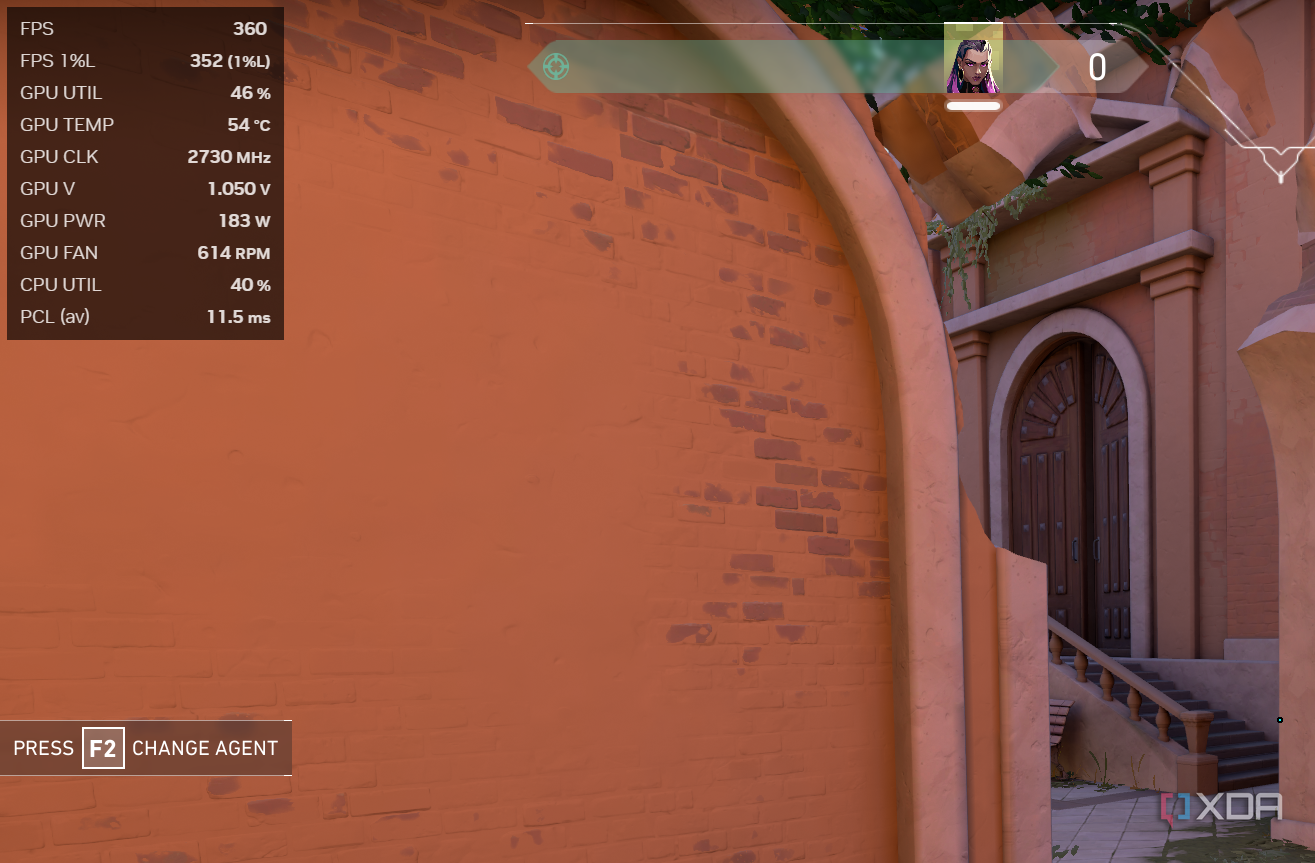
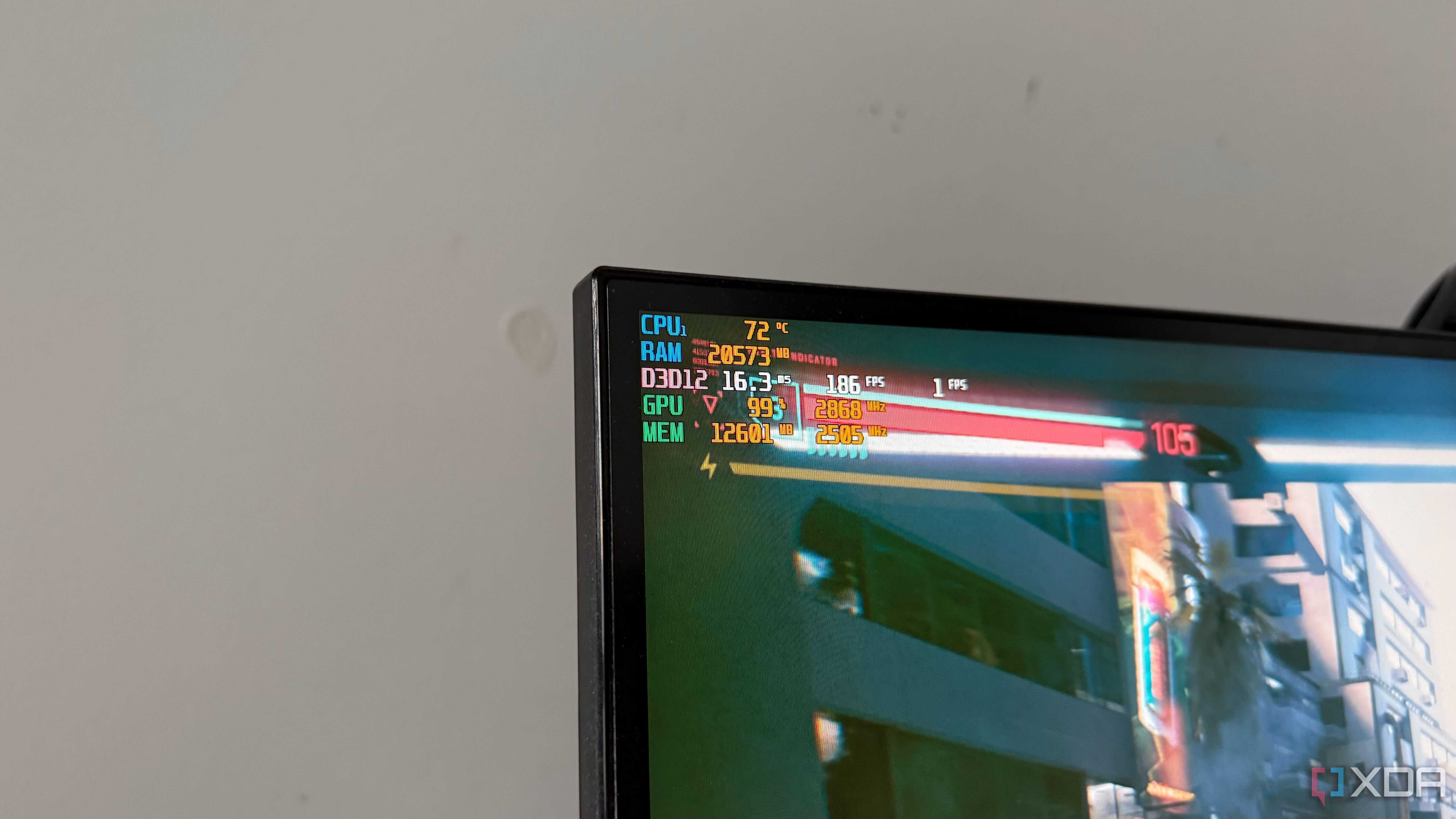


My CPU was hardly ever a problem when I used to play games on a 144Hz monitor. However, when I upgraded to the 240Hz XL2546K, I noticed that my frame rates would stay around 200–250FPS while playing Valorant. This should've been a clear sign that I wouldn't truly benefit from a 360Hz monitor. At that point, I was already brushing against my PC's performance ceiling, and upgrading to 360Hz only made that more obvious. Suddenly, my Ryzen 9 5900X just wasn't fast enough to keep up with my RTX 4090.
I had to upgrade to the Ryzen 7 5800X3D to get my frame rates close to my monitor's refresh rate in competitive shooters. Even now, I'd still benefit more from a faster CPU rather than a more powerful GPU if my only goal was to max out a 360Hz panel. That's because at ultra-high frame rates, games become more CPU-bound. If your processor isn't fast enough, your graphics card will end up underutilized, no matter how powerful it is. So, if you're planning to upgrade to a 360Hz monitor, make sure your CPU isn't holding your GPU back.
Diminishing returns
The jump from 240Hz to 360Hz is smaller than I expected

When I moved from 144Hz to 240Hz, the difference was obvious, even though it wasn't as dramatic as the jump from 60Hz to 144Hz. But the upgrade to 360Hz didn't hit me the same way. It felt smoother, sure, but not in a way that fundamentally changed how games played as previous jumps did. That's when I realized I had started running into diminishing returns. Despite my 360Hz panel being OLED, which offers better motion clarity than my old 240Hz LCD, I didn't feel all that impressed once my eyes adapted to it.
Within a couple of weeks, that extra smoothness started feeling normal. It no longer stood out while playing games, and the difference became hard to appreciate unless I deliberately switched to my 175Hz ultrawide OLED for single-player titles. Even then, going back to 360Hz didn't feel dramatically better because 175Hz still felt perfectly smooth for most games outside of competitive shooters. All in all, getting a 360Hz monitor felt more like an incremental upgrade rather than a transformative one.
Most games won't benefit from 360Hz
It's only worth it if you mainly play competitive titles


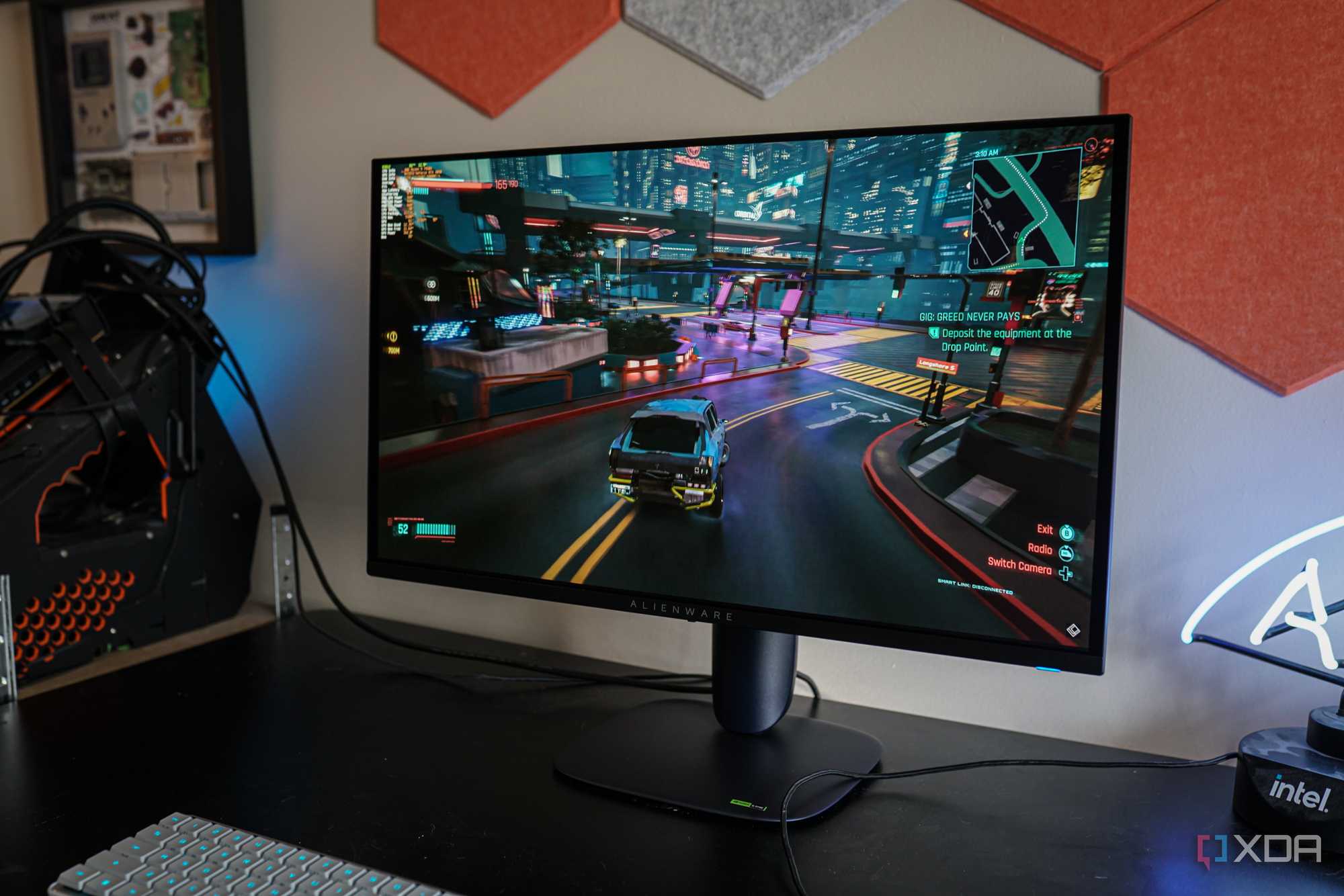
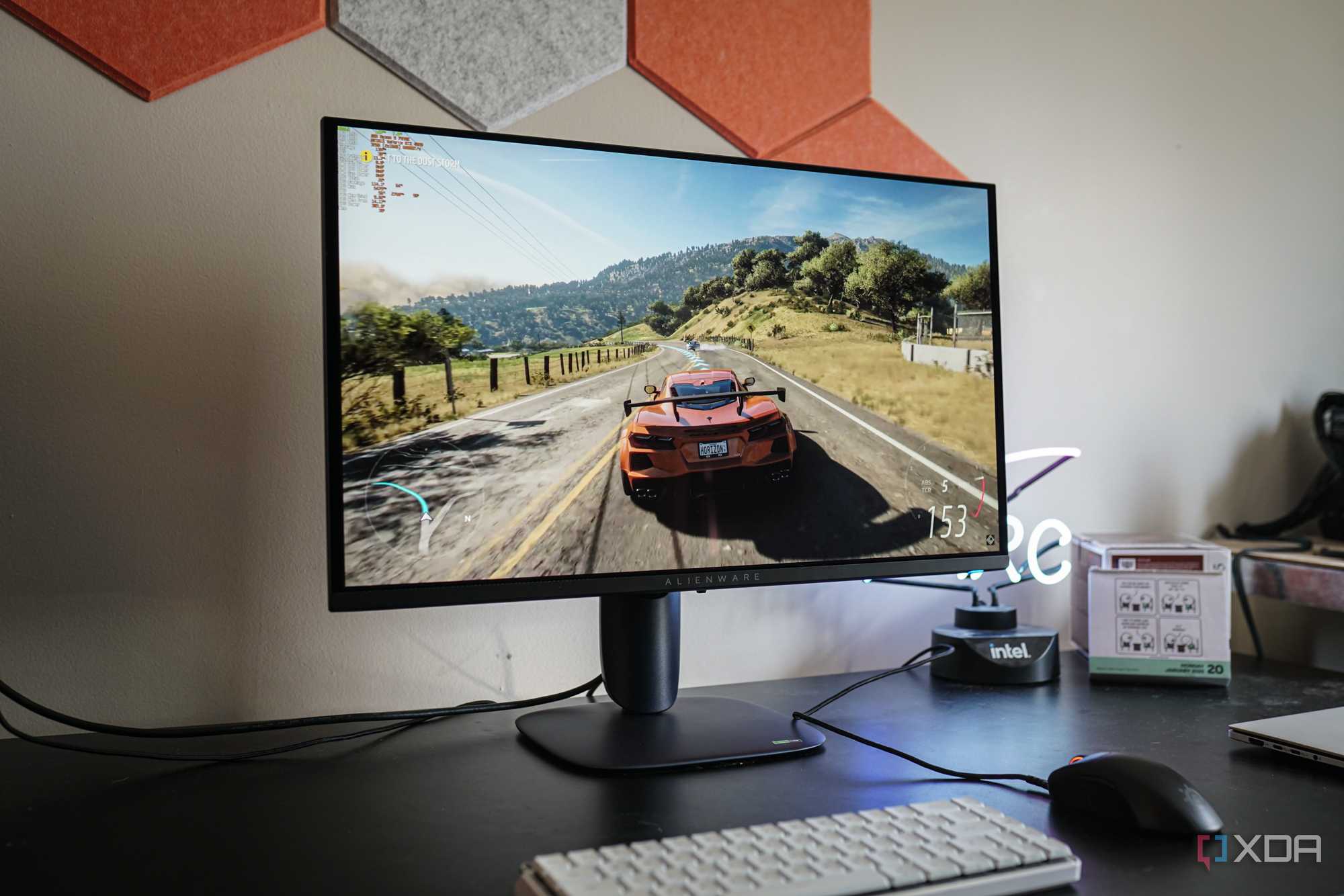
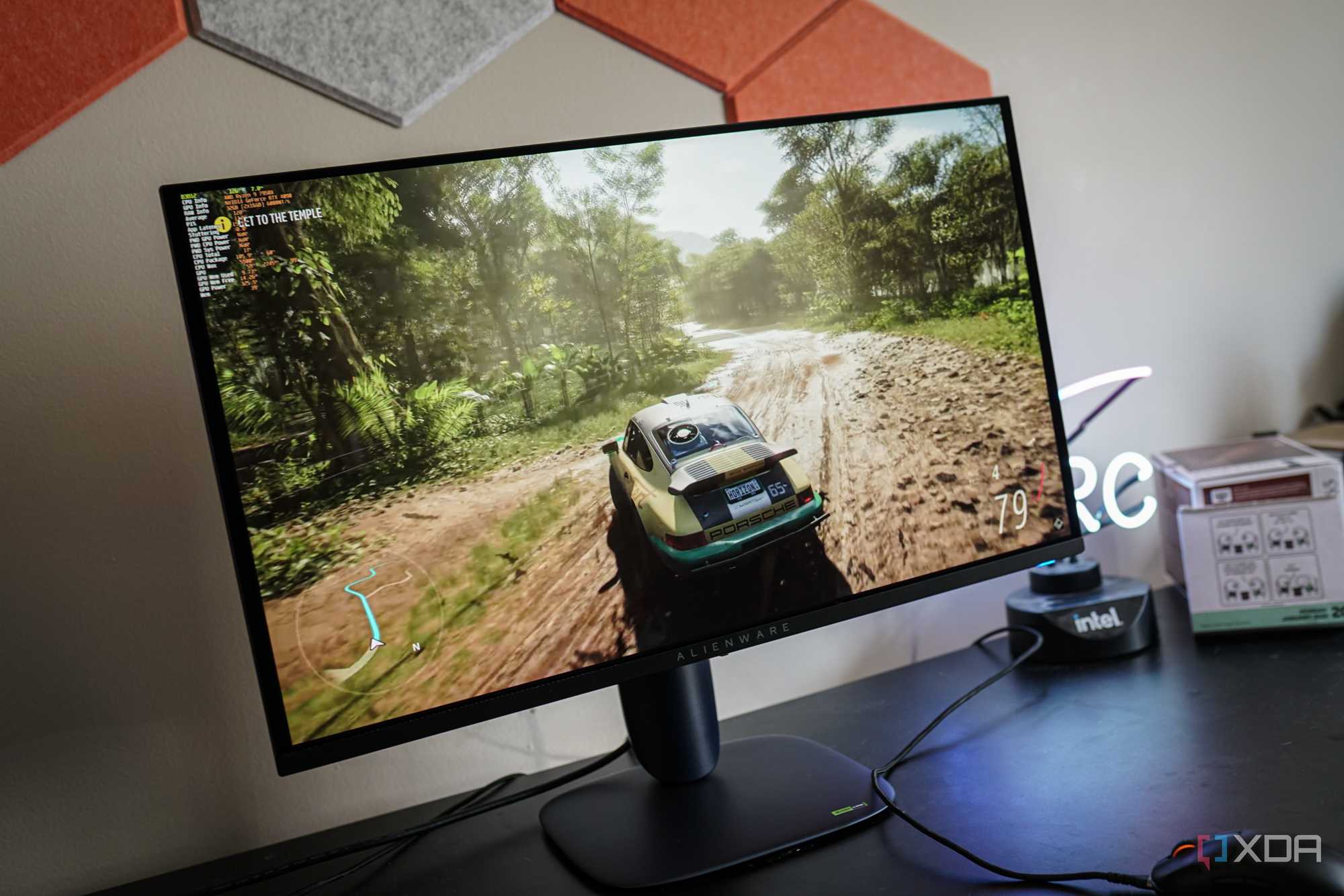
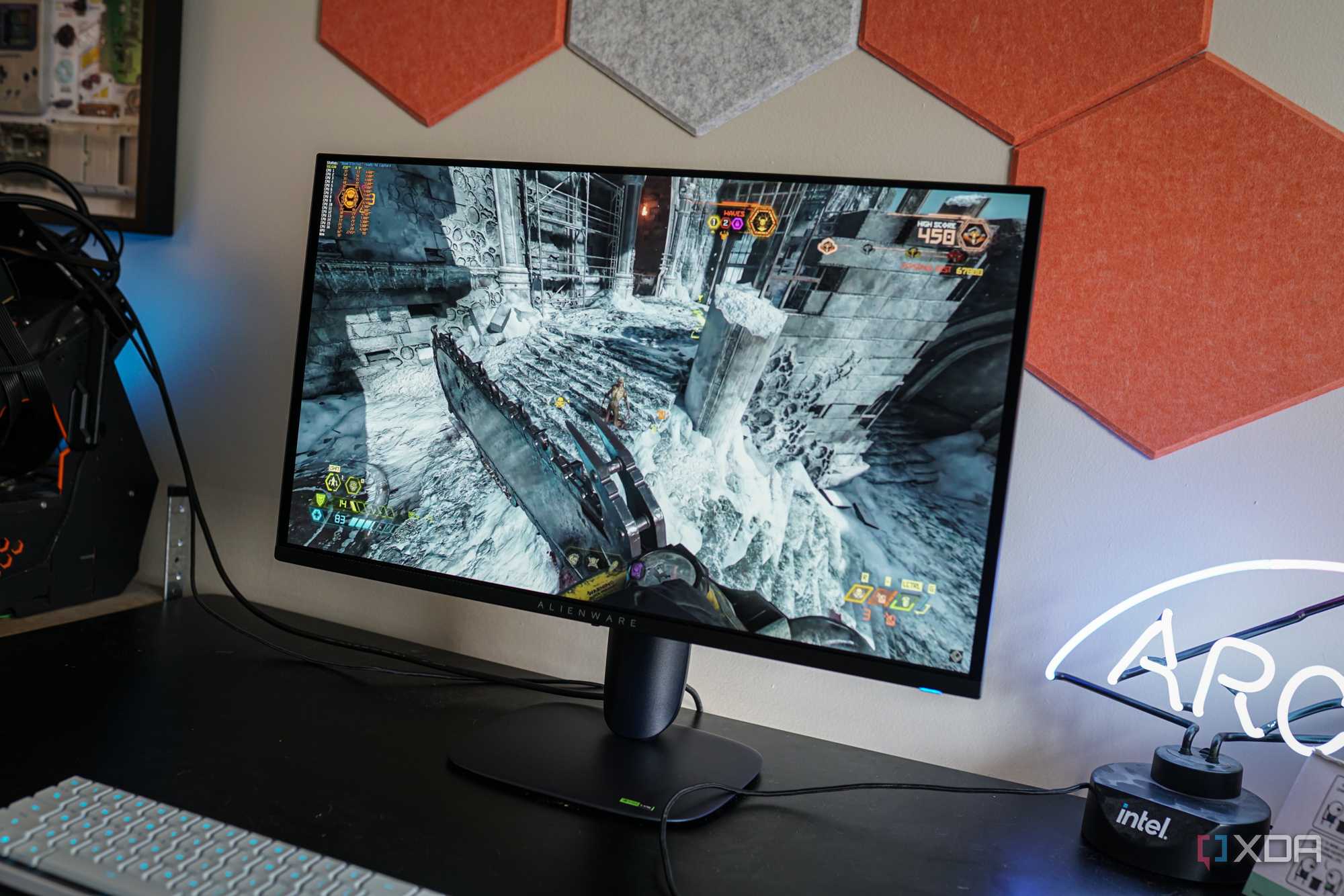
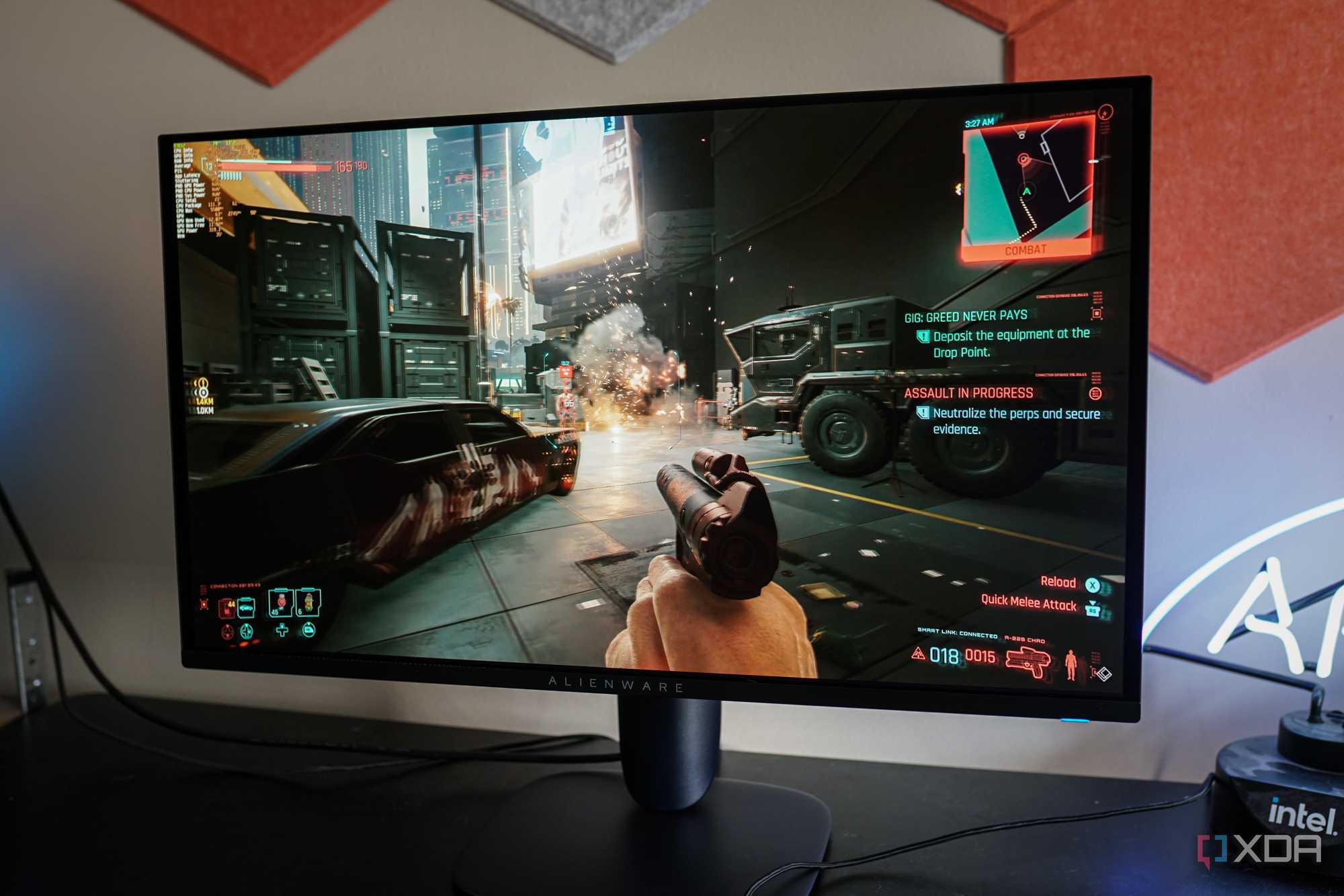
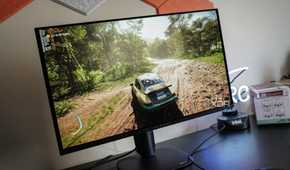
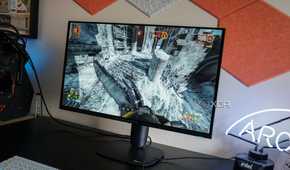
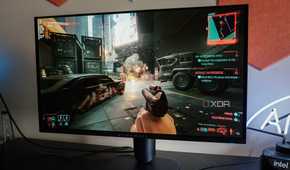
A 360Hz monitor may seem like a great upgrade on paper, but most games simply don't benefit from it in any meaningful way. Even 240Hz monitors may be overkill for the vast majority of games out there. Where these ultra-high refresh rate monitors really shine is in fast-paced competitive shooters like Valorant, Counter-Strike 2, Overwatch 2, and Apex Legends, because they're far less demanding on the GPU and can push very high frame rates if you have a capable CPU.
Outside of those competitive shooters, the value of a 360Hz monitor drops off fast. In most single-player games or graphically demanding AAA releases like Assassin's Creed: Shadows or Cyberpunk 2077, you'll rarely get anywhere close to 200FPS unless you have DLSS upscaling and frame generation enabled. For those titles, resolution, HDR performance, and overall panel quality matter more than refresh rate. So, unless you mainly play competitive shooters as I do, a 360Hz monitor will end up being an expensive upgrade that you rarely get to take advantage of.
I'm done chasing higher refresh rates for now
After living with a 360Hz OLED monitor for well over a year, I think I've finally reached a point where the constant chase for higher refresh rates just doesn't excite me anymore. We already have 720Hz monitors on the market, but even if I bought one, I don't think it'd improve my gaming experience all that much outside of a couple of games. More importantly, I'd need a much faster CPU like the 9800X3D, paired with an RTX 5090, to get frame rates anywhere close to that refresh rate. At that point, I'm looking at a $4000 investment, which is simply not worth it for a slight improvement in smoothness. I'd rather get a 5K2K ultrawide for better immersion and sharper visuals, since those improvements are more noticeable in everyday use.
