The USC ADRC offers researchers imaging, biospecimen, and data resources to support studies of Alzheimer’s disease and related dementias.


The USC ADRC offers researchers imaging, biospecimen, and data resources to support studies of Alzheimer’s disease and related dementias.
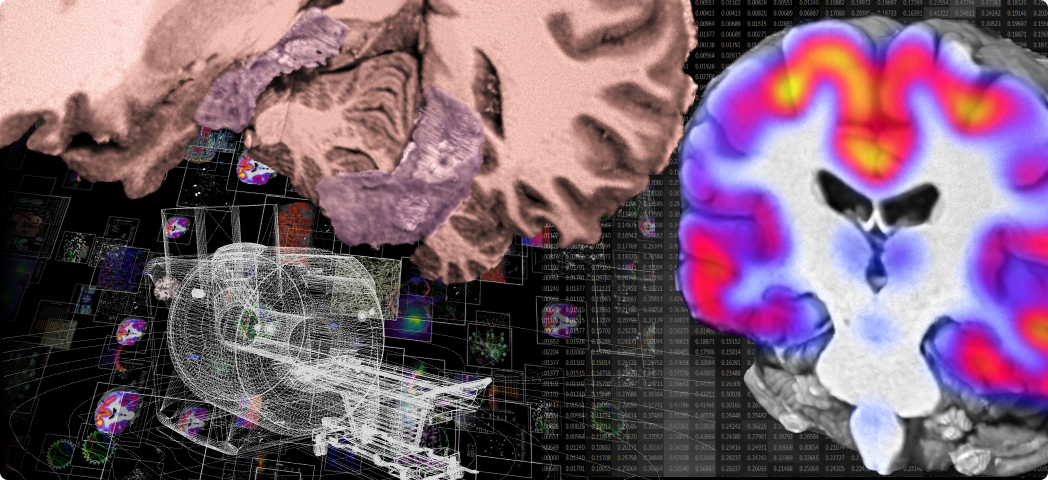
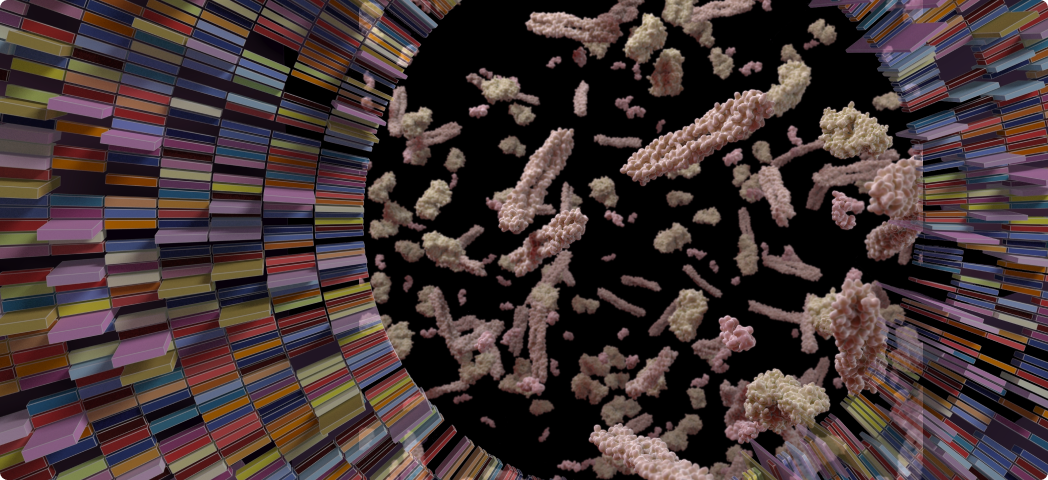


Two USC ADRC-developed tools support the center’s vascular studies. The Imaging Core’s dynamic contrast-enhancement (DCE) MRI measures Ktrans, an index of blood–brain-barrier permeability. The Biomarker Core’s Meso Scale Discovery panel measures vascular, blood–brain-barrier, and neurovascular-unit (NVU) biomarkers — cell-specific markers of pericyte, neuronal, and astroglial injury, inflammatory markers, and Alzheimer’s-standard amyloid-β and tau markers — and together the two assays profile the health of the neurovascular unit (NVU).

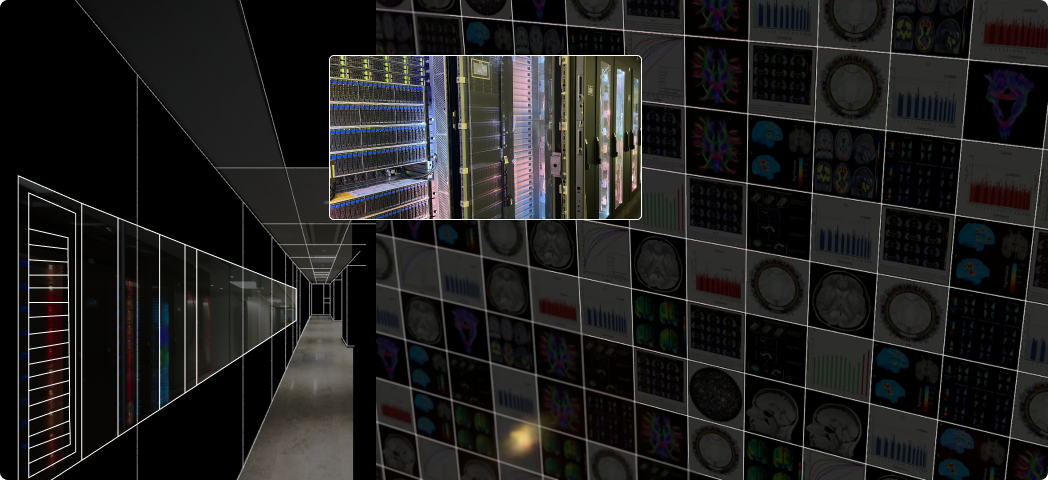
A central source of clinical, biomarker, and genetic data from many ADRC studies, available for research collaboration and analysis.

Data from the PPG study on how vascular and genetic risk factors, including high blood pressure and stroke, affect cognitive decline and dementia.
Data from the Vascular Cohort Study on how blood pressure, diabetes, and cholesterol relate to Alzheimer’s risk.
Genetic data from ADRC participants, including APOE genotypes, paired with clinical information.
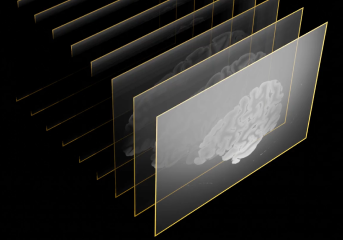
MRI, PET, and other brain scans, organized by disease markers, demographics, and genetic profile.
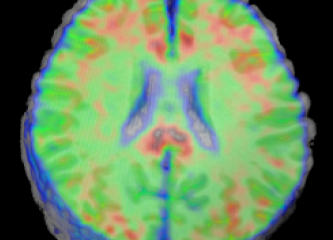
Neuropathology data and tissue images from ADRC autopsies, including the Neuropath Teaching Set for education and research.
Researchers must accept the USC ADRC Data Use Agreement before accessing ADRC data.
