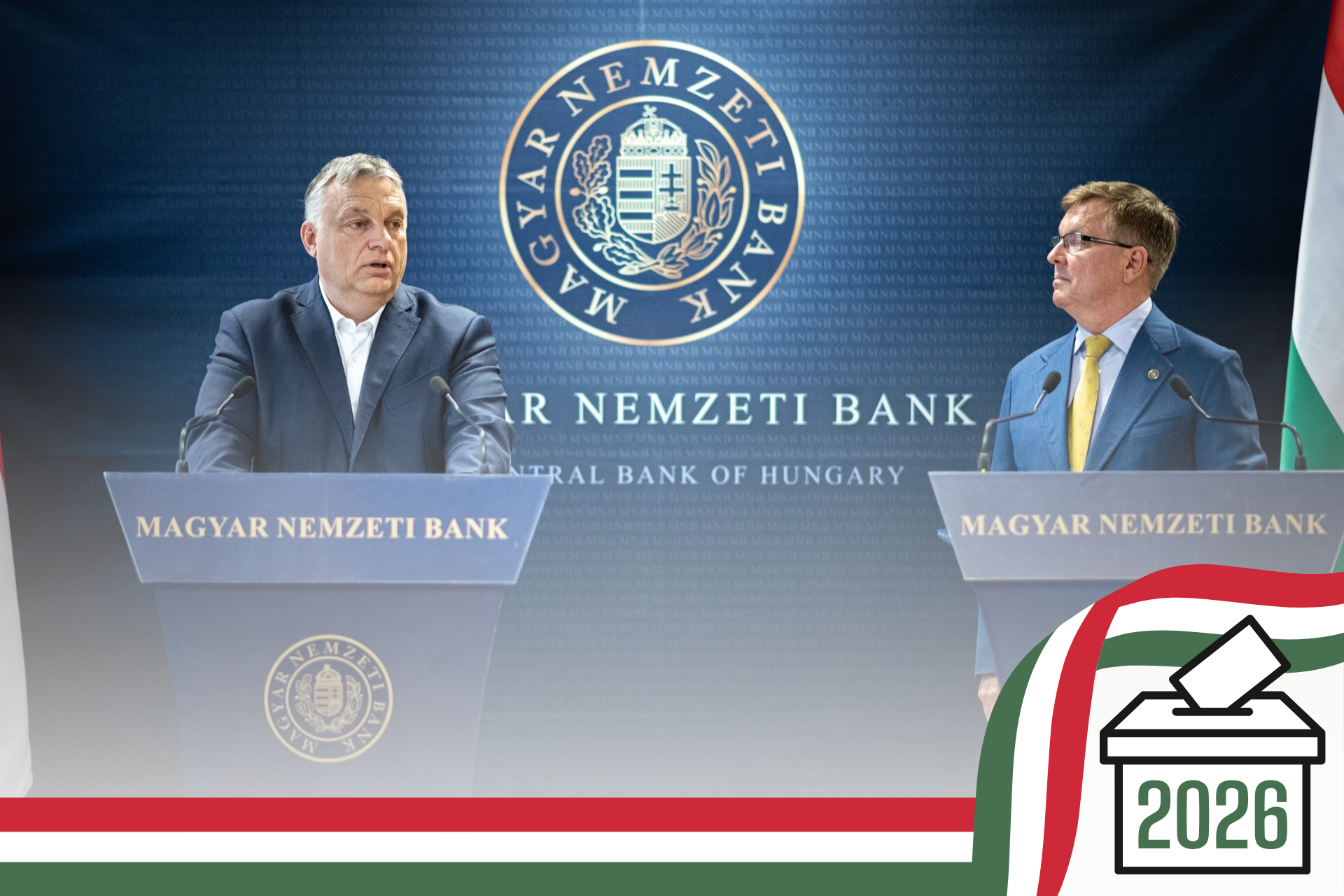
Big fish hooked in Hungary, as Orbán’s ex-bank chief placed in custody (Day 163 of the Tisza government)
Prosecutors are circling Orbán’s ex‑bank chief, as Magyar rewrites Hungary’s budget.
EUobserver monitors Hungary’s 2026 elections, analyzing Viktor Orbán, Fidesz, and the opposition landscape. Our reporting covers rule of law challenges, EU funding disputes, and the impact of Hungarian politics on European Union stability.
Prosecutors are circling Orbán’s ex‑bank chief, as Magyar rewrites Hungary’s budget.

Benjamin Netanyahu has not been Israel’s prime minister for every one of those years. Yet even out of office, Israeli politics rarely escaped his gravitational pull. Hungarians know something about that feeling.
From derailing a flagship rail deal for Orbán-linked tycoon Lőrinc Mészáros to securing fresh EU and NGO money, the new Tisza government is rapidly unpicking the old system’s deals while racing to show voters concrete gains.
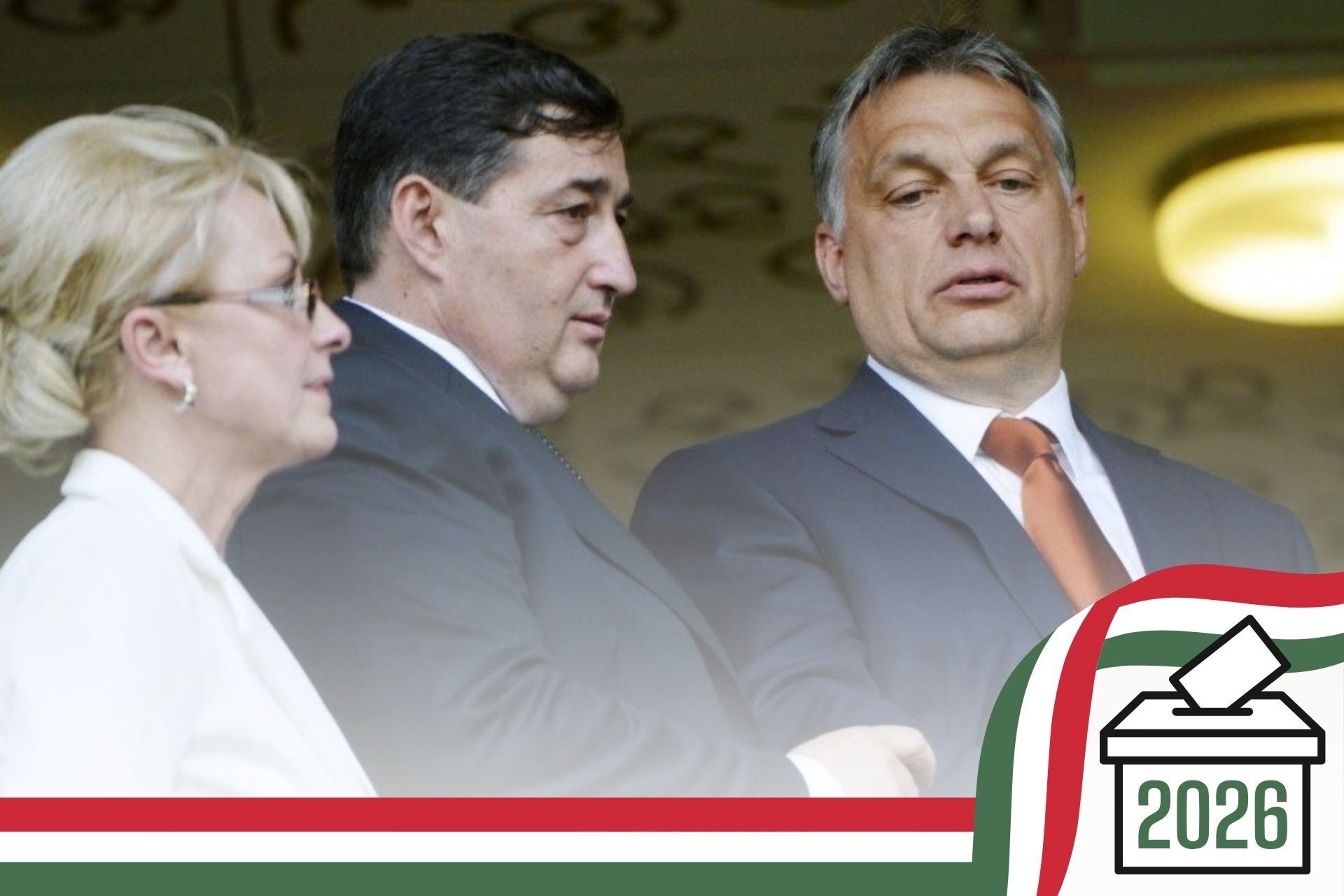
Internal documents show how a top Orbán-era rail contractor showered Megafon influencers with billions of forints.
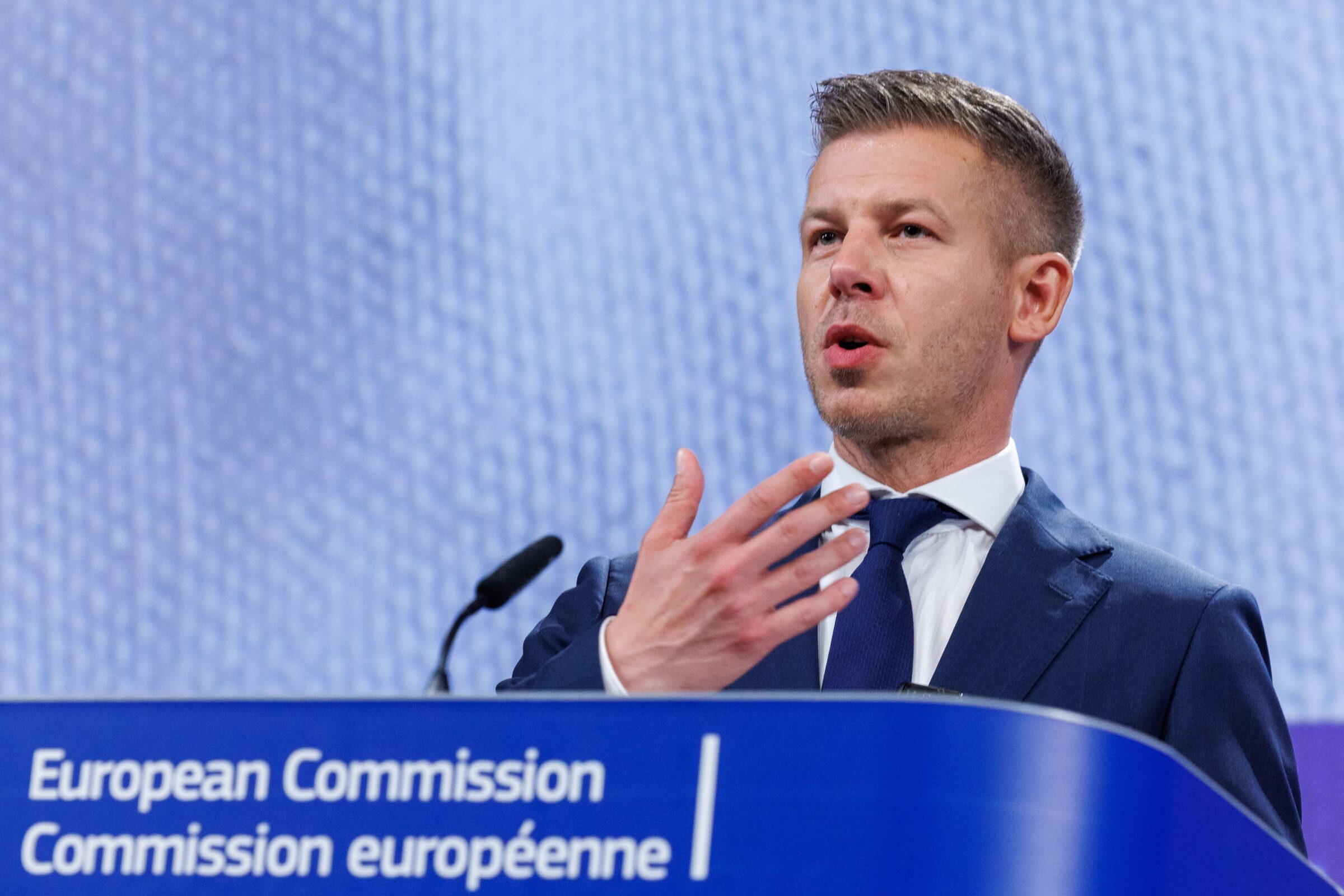
Hungary is starting to address the EU’s concerns over the rule of law and judicial independence, and the EU seems tkeen to quickly resume frozen funding for Budapest.
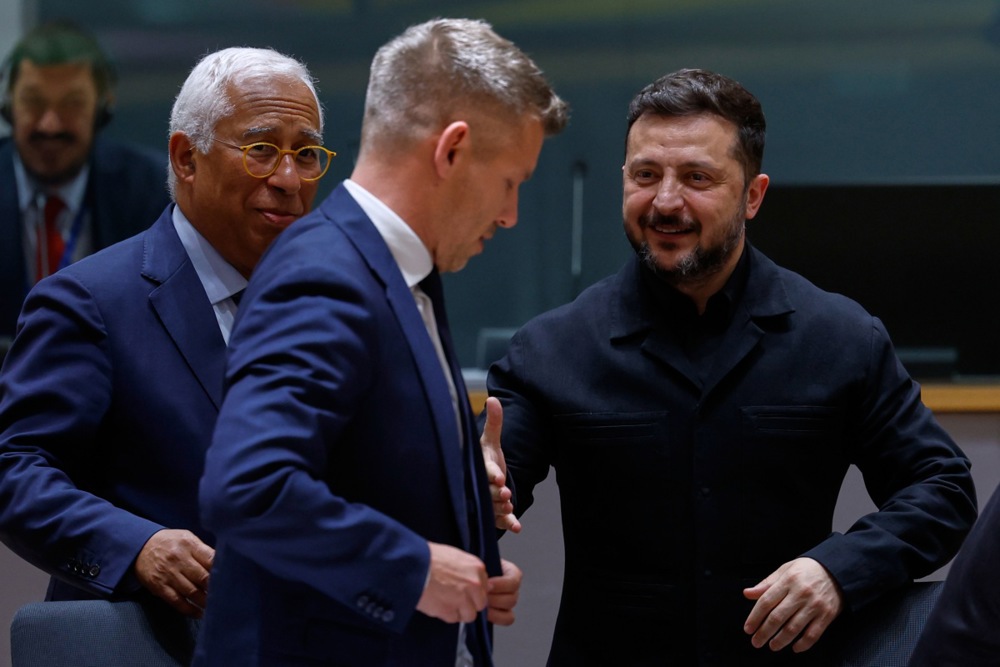
Some expected a change in Hungary’s pro-Russian foreign policy after Viktor Orbán’s fall. But they failed to take into account the domestic political pressures on Hungary’s PM .
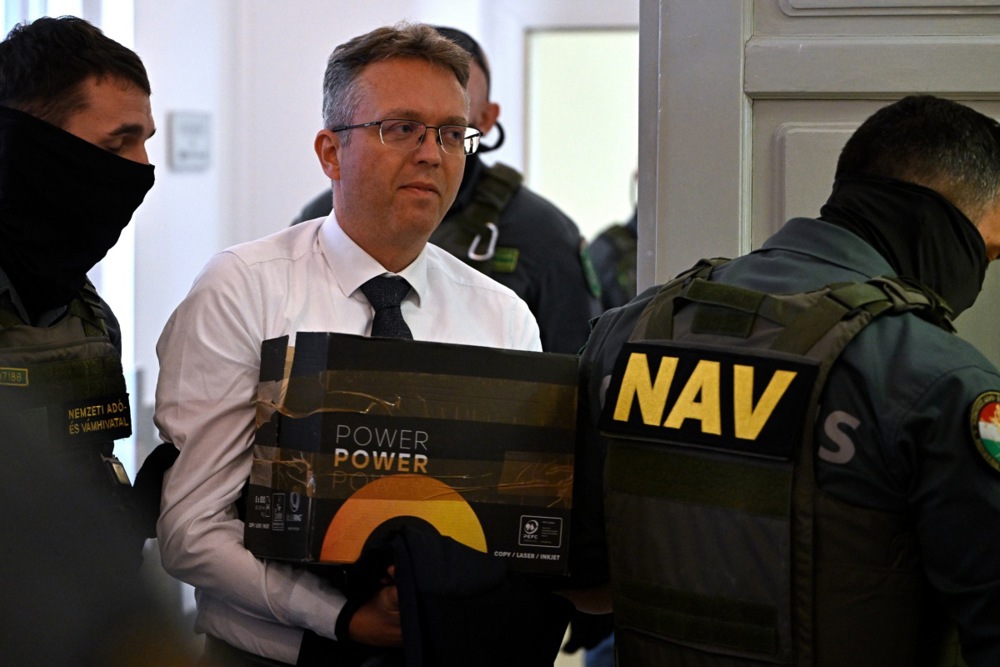
PM Peter Magyar waives his own immunity as Hungary’s “Operation Purgatory” saw authorities detain two former Orbán ministers over alleged multibillion-forint corruption. The new asset recovery office took over four major cases, including Orbán’s brother’s visa business, while Hungary may soon join the European Public Prosecutor’s Office.
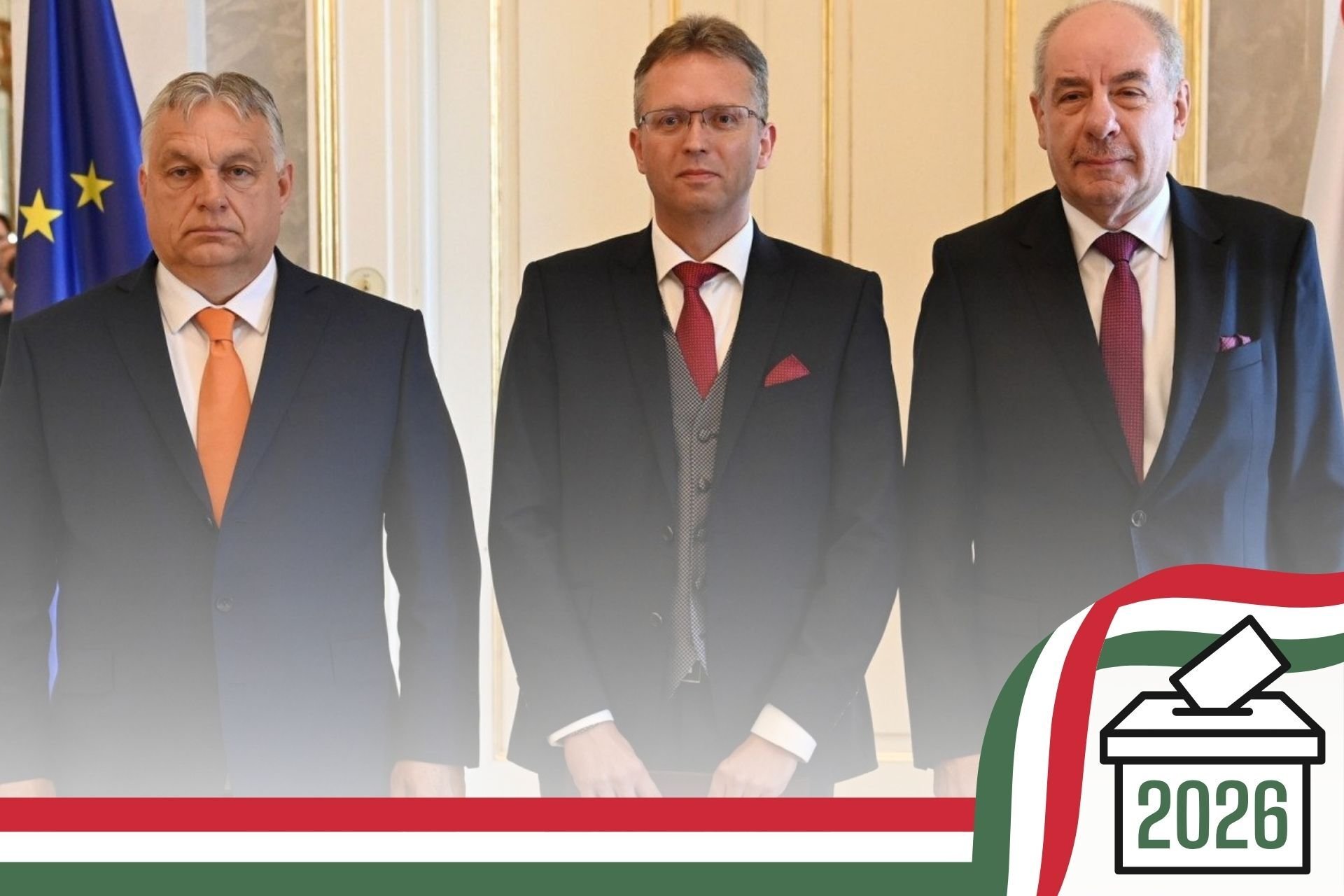
With ex-ministers facing bribery charges and a motorway concession worth €65bn under fire, the Tisza government’s push for accountability is starting to hit the wallets and freedom of the Orbán-era elite.
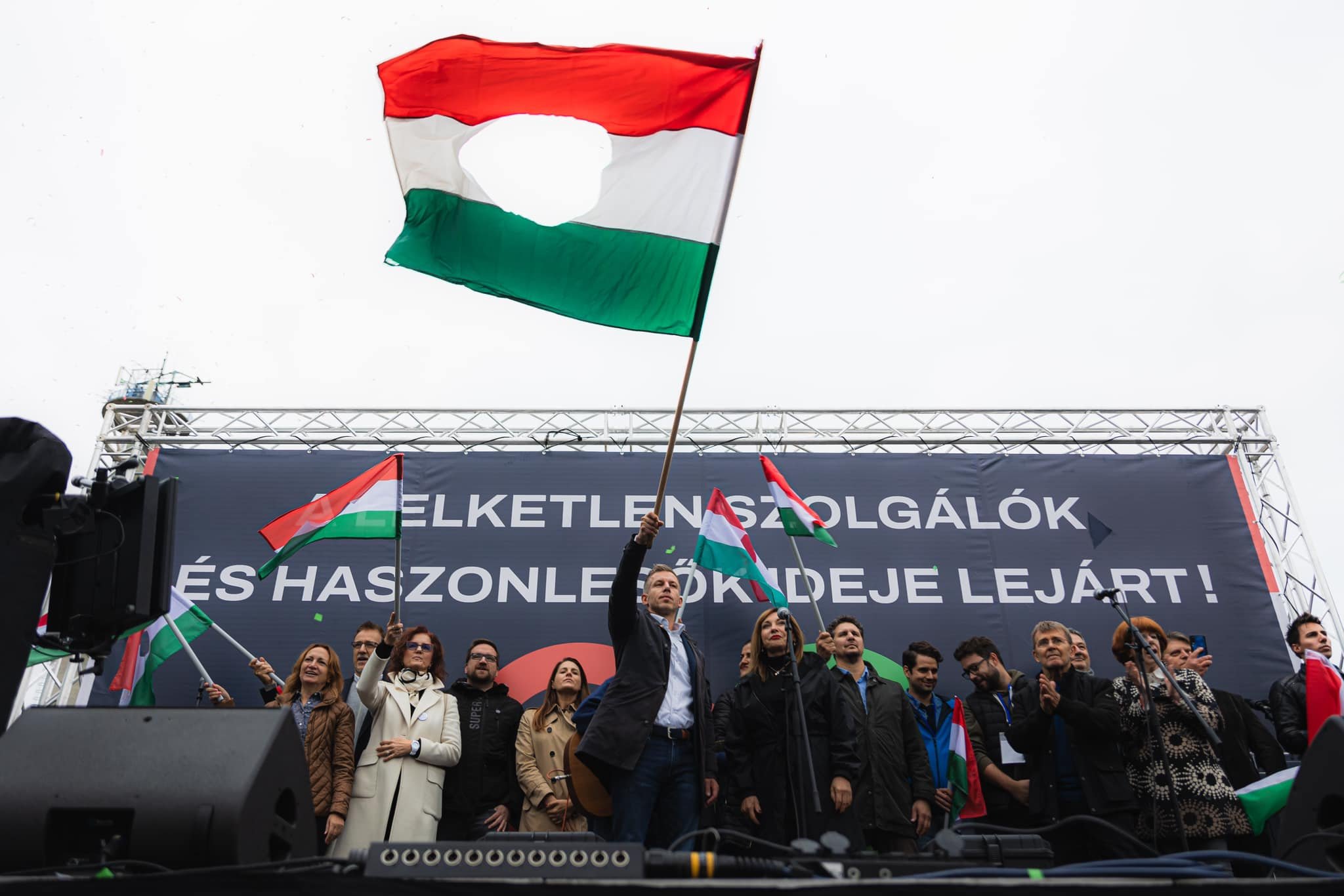
The EU Commission proposes to unfreeze billions of euros for Hungary, as changes in the few months since the April election of Peter Magyar become visible.
Prime minister Péter Magyar tackles the child protection law, moving to strip the Orban-era conflation of homosexuality with paedophilia from Hungary’s laws.

By slashing the powers of Fidesz’s regional barons and kicking out a fifth of Russia’s embassy staff, Péter Magyar is trying to recast Hungary’s role in both its own hinterland and the wider European security game.

Homophobic and hateful content on Facebook was a contributing driver of psychological distress for the LGBTQI community in Hungary, who were already the target of former prime minister Viktor Orbán’s gender-war policies.
Internal accounts of dud Covid ventilators, a taxpayer-funded African military mission run by Viktor Orbán’s son, and billions parked in politically-controlled foundations expose how far the previous regime’s “wish lists” strayed from the public good.
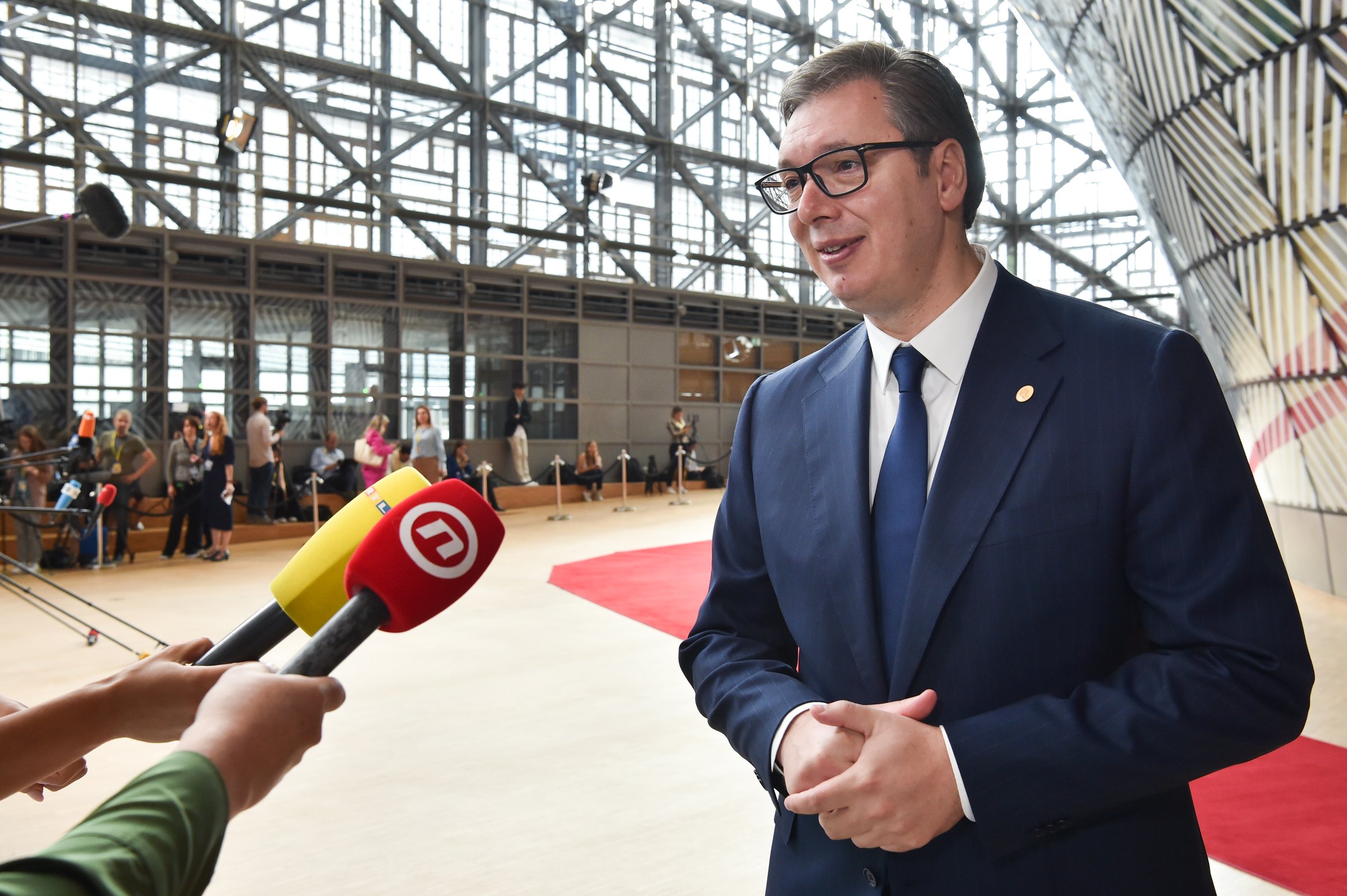
Hungarian state money has spent years financing media acquisitions across Europe. A fund with a long record in that trade has just taken Serbia’s last independent broadcasters. It has done so in an unusual rush, weeks before a Serbian election. Gaps in the public record and undisclosed funding make these, when taken together, difficult to ignore.

The probe into Hungary’s wildly-overpriced ventilator deals risks becoming a litmus test for whether the new Tisza government is truly ready to confront the Orbán-era system that siphoned off billions — and to face the geopolitical fallout of challenging a former foreign minister.
Not even the energy crisis or the extreme heat could slow down Hungarian prime minister Péter Magyar and his party’s, Tisza’s, transformation of the political system. Although not without missteps, the new prime minister followed through on the campaign he launched in April to replace the president of the republic, completing it by mid-August.
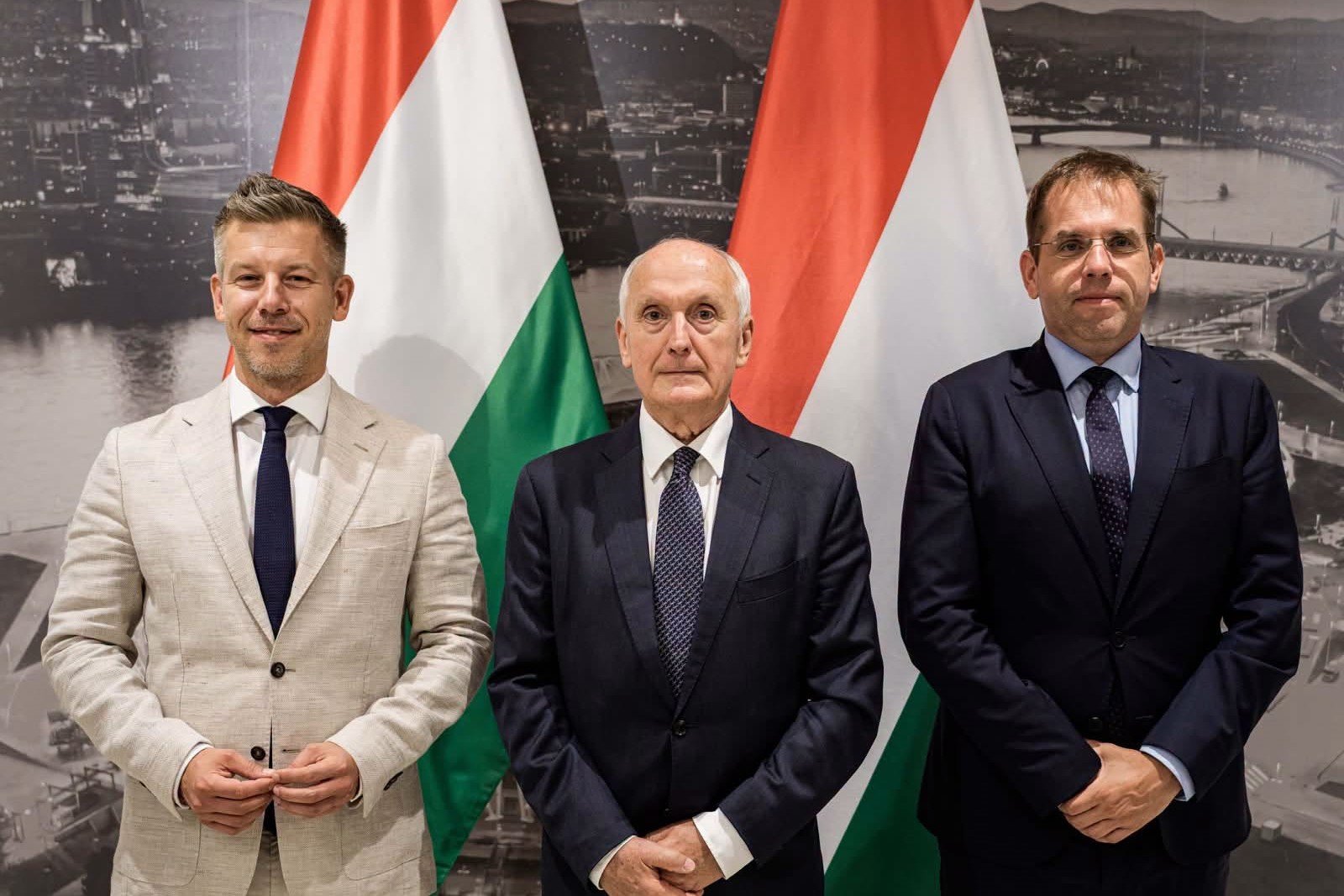
Behind closed doors, Tisza ditched high‑profile names before settling on Baka, the quiet jurist whose earlier ousting became a European human-rights scandal.

As Hungary struggles through an energy crisis, prime minister Péter Magyar is fighting off Fidesz attacks, recovering billions from an Orbán-linked era, and facing controversy over who really controls the country’s public media.
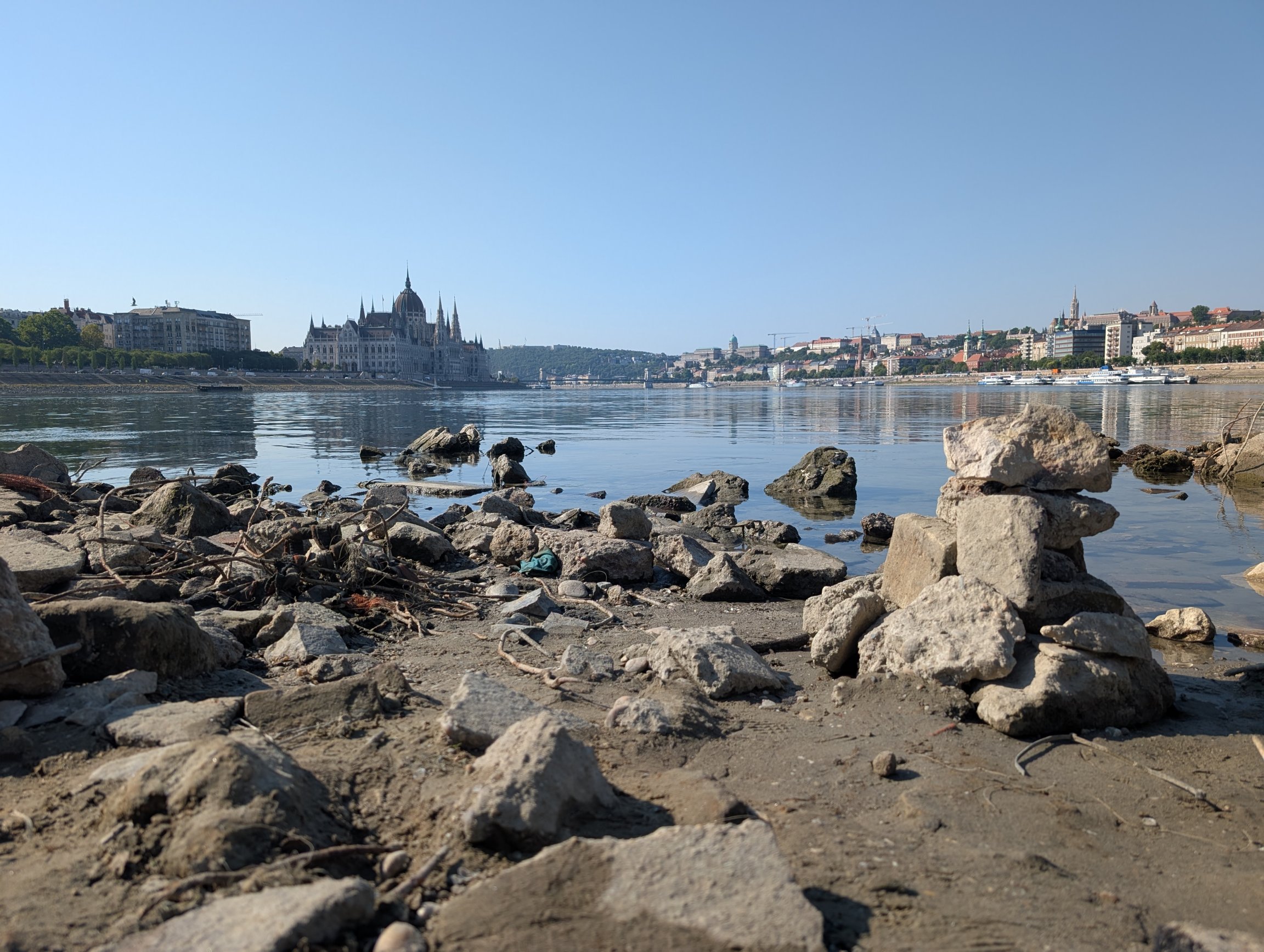
With the river too shallow for freight, a nuclear plant almost offline and big firms ordered to curb power use, Hungary’s heatwave is rippling straight into citizens’ jobs, bills and fears of blackouts.
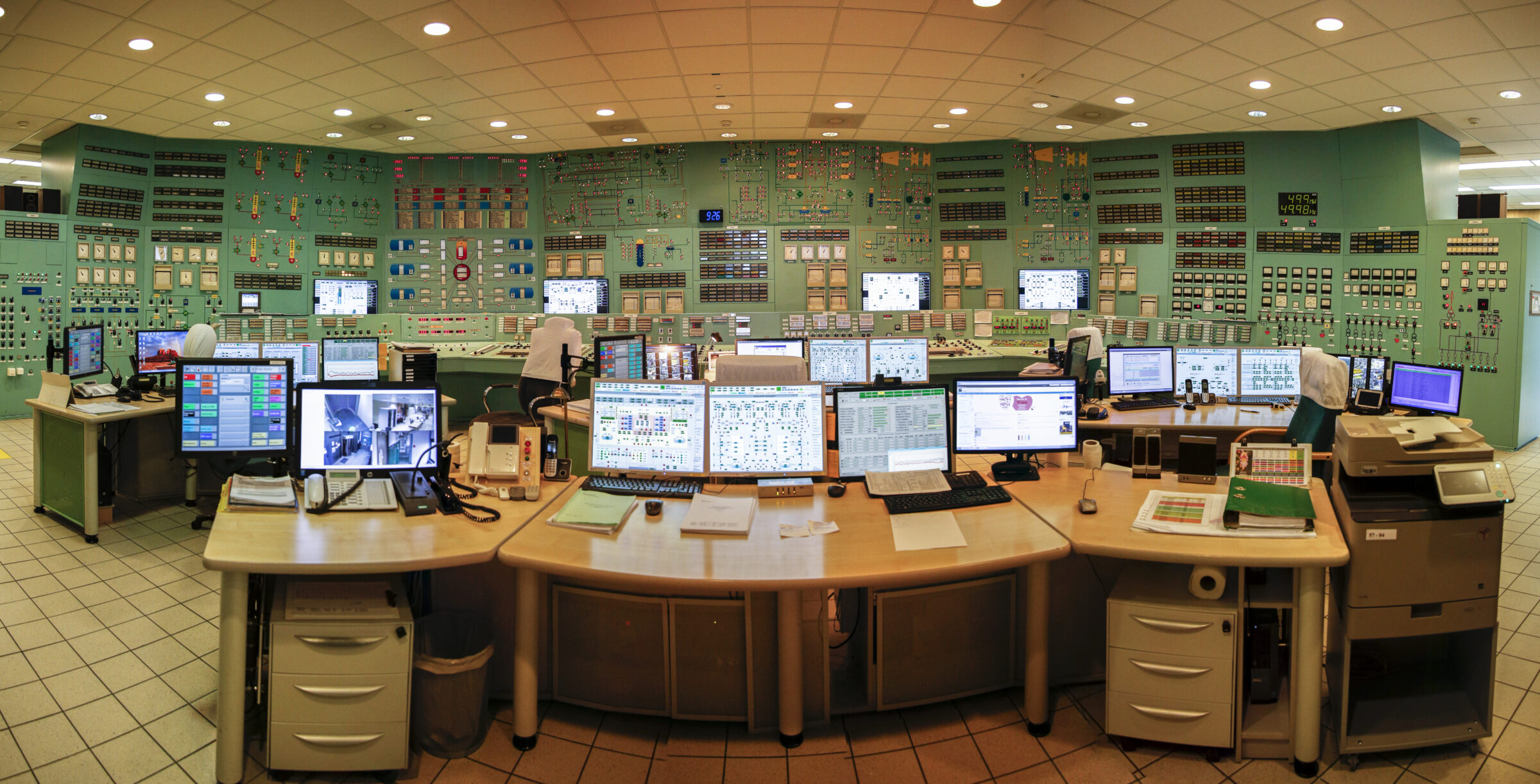
With turbines winding down at Paks, bridges in darkness and freight trains halted at peak hours, Hungarians are suddenly feeling how a shrinking Danube can upend daily life and the wider economy.
