Journalism of Courage
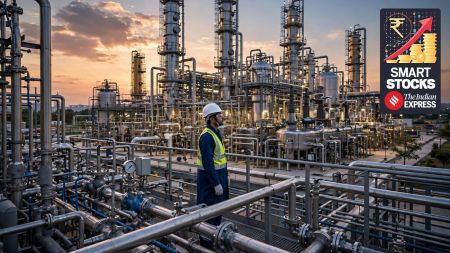
Aether started as a pharma intermediate maker in Surat. Today an oilfield services giant is its biggest end market, Dow has picked it as an exclusive research partner, and its first semiconductor shipments have left the factory. At 80x earnings, how much of that future is the market already paying for?

Cohance Lifesciences business numbers have been hard to stomach. FY26 revenue fell 13% and adjusted EBITDA nearly halved. Q1 FY27 revenue fell 23%, adjusted EBITDA margin dropped to 2.2%, and the company reported a net loss of Rs 45 crore. At around Rs 479 per share, Cohance’s market capitalisation is approximately Rs 17,000 crore, and […]

KPI Green Energy’s stock has plunged 25% after Q1 FY27 earnings, as falling PAT, rising debt and aggressive IPP expansion weigh on investor sentiment. With valuations at a five-year low and ambitious growth plans underway, can the renewable energy player turn its earnings pressure into a long-term opportunity?

As ACME monetises the gap between cheap daytime solar power and expensive evening electricity, the opportunity is significant. But can it sustain returns as competition intensifies and price spreads narrow?
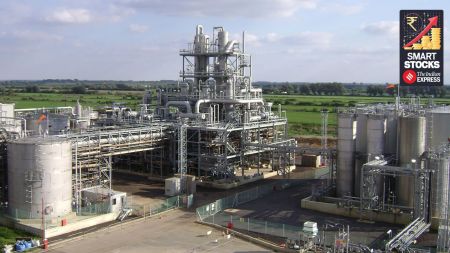
India’s ethanol-blending push helped Praj Industries scale up rapidly, but excess capacity and slowing orders have hit its margins and profits. As the company expands into data centres, sustainable aviation fuel and other businesses, can these new engines deliver a lasting recovery?

Rolex Rings' European business grew 25% in FY26, even as US exports fell 30% amid tariffs. With an India-EU trade deal on the horizon and new orders in the pipeline, can the company turn these opportunities into sustained growth?

Sai Life Sciences has delivered strong growth, with FY26 revenue up 29% and PAT more than doubling. Its discovery business, late-stage pipeline and long-standing pharma relationships are expanding, while a Rs 1,100–1,300 crore capex plan aims to add capacity. But at roughly 50x trailing EV/EBITDA, the key question is whether pipeline conversion, capacity utilisation and margins can keep pace with the valuation.

US sterile injectables, PET radiopharma and CRDMO are reshaping Jubilant Pharmova’s earnings profile. The key question is whether the company can scale its new capacity fast enough to generate returns that justify the significant investment.

For much of the past decade, Shilpa Medicare invested ahead of its earnings, building capacity and capabilities that have taken years to translate into meaningful returns. The company’s net block increased from around Rs 558 crore in FY19 to more than Rs 1,400 crore by FY25. Meanwhile, asset turnover declined sharply, ROCE moved into single […]
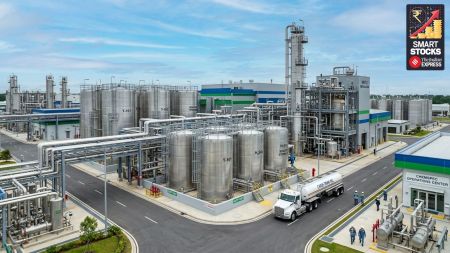
A 15-year supply agreement, dedicated manufacturing capacity, and a company emerging from its largest capex cycle. Is Yasho finally entering its operating leverage phase, or has the market already priced it in?
With market-leading positions in clean air and shock absorbers, strong cash generation and a 94% ROCE, Tenneco Clean Air has built a profitable legacy business while investing in affordable premium suspension technologies such as CVSAe and DaVinci. The key question for investors is whether these newer technologies can scale beyond Mahindra and turn Tenneco from an ICE-era cash generator into a broader automotive technology play.

Kissht is up 86% in three months since listing. A 61% growth rate, 5% RoAA and a 2.1% GNPA, but credit costs remain above 8%. At 2.4x book, what exactly are investors paying for?

Sona Comstar has transformed itself from a precision auto-components maker into a diversified technology player spanning EVs, sensors, railways and robotics. As it targets another 10x growth over the next decade, can its acquisition-led strategy deliver?

Concord Biotech had its toughest year as a listed company, with revenue and profit falling sharply. But a closer look reveals a business with strong positions in niche fermentation-based APIs, significant spare capacity and potential operating leverage. The question is whether FY26 was a temporary setback, or the start of a structural slowdown.

India's largest carbon black producer is transforming into a specialty chemicals company through phosphonates, specialty black, and battery materials. But after a weak FY26, can these bets reignite earnings?

RBL Bank has a new owner, an AAA credit rating and Rs 26,016 crore in fresh capital. Yet its return on assets remains just 0.55%. As Emirates NBD bets on the lender's future, the bigger question is whether a stronger balance sheet can translate into stronger earnings.

A caffeine giant, a growing CDMO business, and a recovering API segment. Can Aarti Pharmalabs convert a Rs 1,300+ crore capex cycle into a compounding pharma platform?
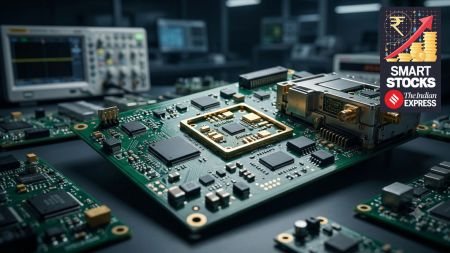
Reported a Rs 52-crore FY26 loss and a negative P/E, yet Centum Electronics trades near record highs. A one-time cleanup has revealed a faster-growing India business. The question now: does 50x earnings still make sense?

A difficult FY26, years of capability building, and the Pentagon's designation of WuXi AppTec may be converging to create the biggest opportunity in Syngene's history.

WPIL's stock has halved as its domestic business stumbled, but strong international operations have cushioned the blow. With a record order book and a valuation of just 2.7 times book value, can fresh project wins and improved cash generation drive the next leg of growth?

EBITDA tripled, PAT jumped 2.7x, and Honasa declared its first dividend. But margins expanded because advertising costs fell, not because the business became structurally more profitable. At 66x earnings, is the turnaround real, or has the market already priced it in?

The business transformed first. The stock followed later. After years of being overlooked, VA Tech Wabag has been re-rated sharply. The question now is whether its growth, cash generation and order pipeline justify 27x earnings.
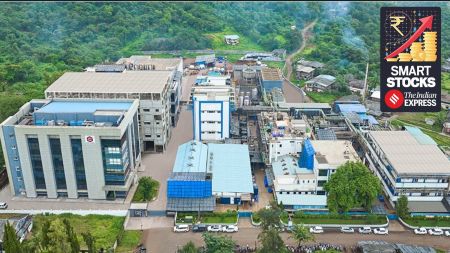
Over the last few years, Supriya Life Sciences has expanded beyond its traditional API business. By targeting markets dominated by Chinese suppliers and investing in formulations, contrast media APIs, peptides, and CDMO services, the company is increasing its presence across the pharmaceutical value chain. The key question is whether these initiatives can transform it into a diversified pharmaceutical player.

A small-cap API intermediate manufacturer is attempting a transformation into a global pharmaceutical platform through Rs 3,000 crore of acquisitions, including Sanofi's anti-TB brands and Japan's MicroBiopharm. The opportunity is compelling, but can the balance sheet support the ambition?
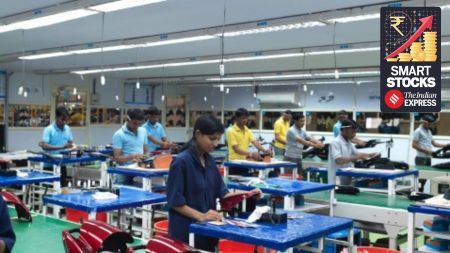
A 2W-metal company is quietly buying its way into aerospace and satellite supply chains. It saw its FY26 profit after tax jump 41%, reduced its net debt to near zero, and watched its stock double. At ~40x, is the aerospace bet already in the price?