
- News
- Health News
- Cuff too tight, legs crossed or talking? Cardiologist reveals 5 home BP mistakes that can alter readings
Cuff too tight, legs crossed or talking? Cardiologist reveals 5 home BP mistakes that can alter readings
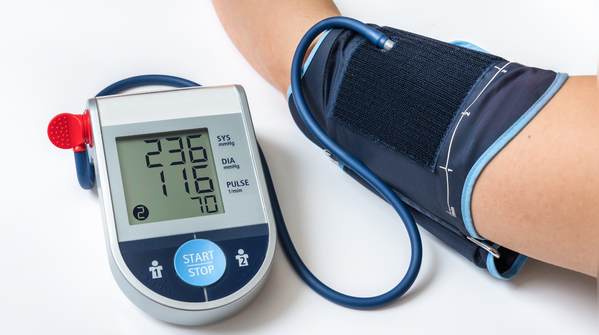
Cardiologist explains 5 home monitoring mistakes that can give you the wrong picture
Blood pressure checks at home can make it easier to understand how the heart and blood vessels are doing outside a clinic. But the machine alone does not guarantee an accurate reading. The way the cuff is fitted, how the body is positioned and even what happened in the 30 minutes before the test can change the number on the screen.
Dr Vijay D’Silva, Medical Director, White Lotus International Hospital, and Clinical Advisor & Mentor, Heartnet India, said home monitoring is now widely used for people with hypertension. But its usefulness depends heavily on how the reading is taken.
“Blood pressure monitoring at home has now become a common method of management in hypertensive patients. The effectiveness of any measurement, however, will depend on how it was obtained,” he said.
Here are five mistakes cardiologists commonly see.
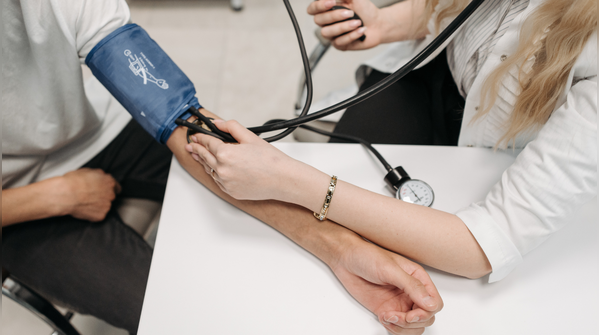
Using a cuff that does not fit your arm
The cuff is not just an accessory. It is one of the most important parts of the measurement.
“A cuff that is too small or too large can affect the accuracy of the reading,” Dr D’Silva said.
For adults, a mid-arm circumference of 22–26 cm generally requires a small adult cuff, 27-34 cm an adult cuff and 35-44 cm a large adult cuff. Larger arms may require an adult-thigh cuff. Exact sizing can vary by manufacturer.
An automatic, validated upper-arm monitor is generally preferred over wrist or finger devices for home monitoring.
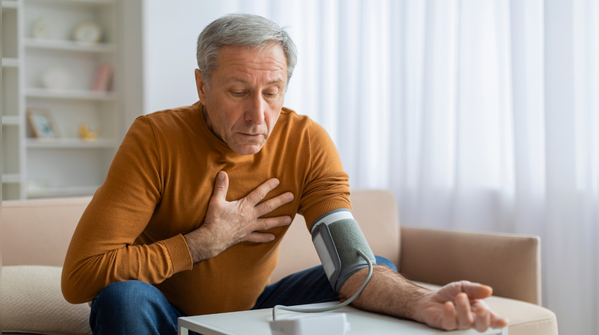
Checking BP right after rushing around
A reading taken immediately after climbing stairs, exercising or rushing through household work may not represent the person's resting blood pressure.
“Blood pressure is a dynamic measurement and may be altered by exercise, caffeine, smoking or even a full bladder,” Dr D’Silva explained.
That five-minute pause may feel unnecessary on a busy morning, but it gives the body time to settle before the numbers are recorded.
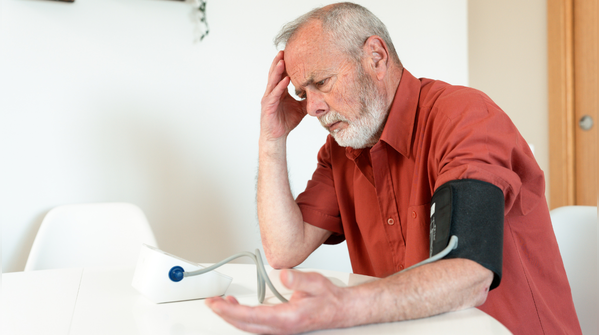
Sitting casually instead of sitting correctly
Many people check BP while sitting on a bed, sofa or chair with their legs crossed. Others let the arm hang down. Dr D’Silva said posture deserves more attention than it usually gets.
“Sit straight with your back supported. Both feet should be on the floor and uncrossed,” he said.
The cuff should sit on the bare upper arm, with the arm supported at heart level. Its lower edge should be just above the bend of the elbow.

Talking, texting or moving during the reading
A quick conversation, checking a WhatsApp message or moving the arm may seem harmless. During a BP measurement, however, the goal is to keep the body quiet.
“Talking, using a mobile phone or moving the arm while the device is measuring can interfere with the reading,” Dr D’Silva said.
He advised remaining still and relaxed until the measurement is complete. This becomes particularly important when doctors are tracking small changes over time.
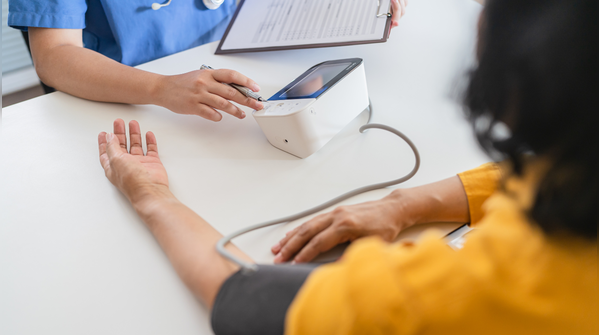
Treating one reading as the final verdict
Perhaps the biggest mistake is giving one number too much power.
“Blood pressure naturally fluctuates, so a single reading is only a snapshot,” Dr D’Silva said.
He recommends taking at least two readings about a minute apart and maintaining a record as advised by the treating doctor.
This record can also help doctors identify patterns such as white-coat hypertension, when BP is higher in a medical setting, or masked hypertension, when readings appear normal in the clinic but are higher outside it.
Home monitoring, therefore, is not simply about owning a BP machine. It is about collecting reliable information. A carefully taken reading can tell a doctor far more than a rushed number scribbled down after a stressful morning.
Medical experts consulted
This article includes expert inputs shared with TOI Health by:
Dr Vijay D’Silva, Medical Director, White Lotus International Hospital, and Clinical Advisor & Mentor, Heartnet India.
Inputs were used to highlight how improper supplement use can pose health risks and why medical advice is important before trying natural alternatives.
Featured In Health


