


Just like gaming PC hardware, the peripherals are getting faster every year. For example, gaming keyboards and mice have already moved beyond the 1KHz polling rate. Now, 8KHz is slowly becoming a common headlining feature even on mid-range wireless options.
On paper, a higher polling rate may sound like an obvious upgrade, as more updates per second means lower latency and better responsiveness. In reality, however, pushing the keyboard or mouse to 8,000Hz can put an added load on some systems, which can affect overall system performance.
8KHz polling rate peripherals have different minimum system requirements for a reason
They need a CPU that can handle the increased overhead

Almost all 8KHz gaming keyboards and mice have minimum system requirements that differ significantly from those of non-8KHz options. The core difference is that their minimum requirement sheet will often mention an upper-mid or high-end CPU, and there's a good reason behind it.
When set to high polling rates, such as 8KHz, there are significantly more USB interrupts per second than at 1KHz or lower rates. To be specific, at a 1KHz polling rate, the system handles 1,000 input reports per second, and at 8KHz, the input reports jump eight-fold.
The CPU needs to process these interrupts, and while each individual report is small, the cumulative effect increases CPU scheduling activity and interrupt handling. This, combined with the added load of a game running, can affect frame consistency, especially when it's a CPU-bound game. For example, there can be minor stutters and less consistent frame times.

Modern high-end processors, on the other hand, have strong single-threaded performance, and the added overhead is usually not a big issue. For most mainstream systems, however, the theoretical latency advantage may not justify the additional processing demand.
The practical sweet spot is still 1KHz
Diminishing returns kick in quickly beyond this point


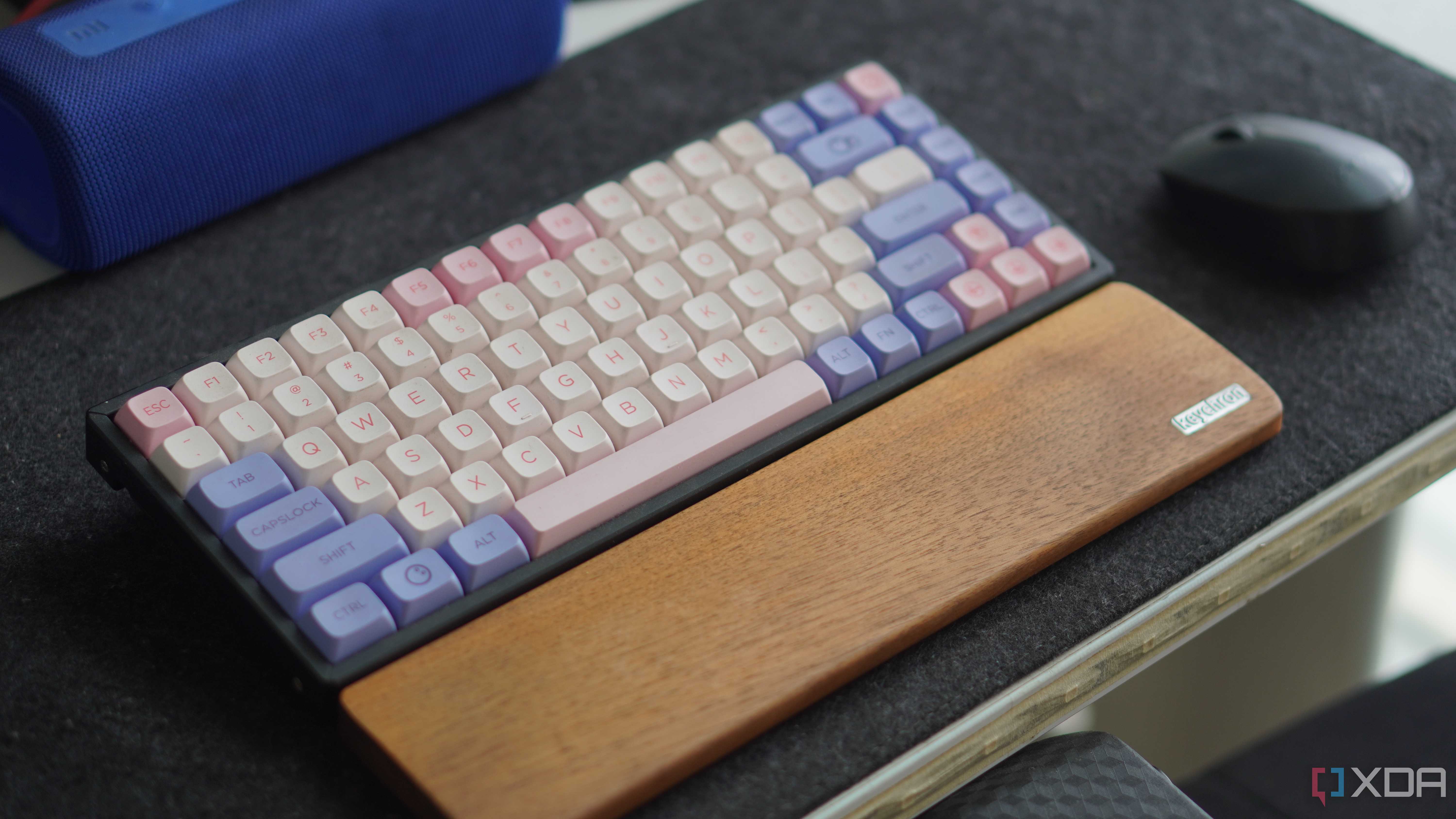
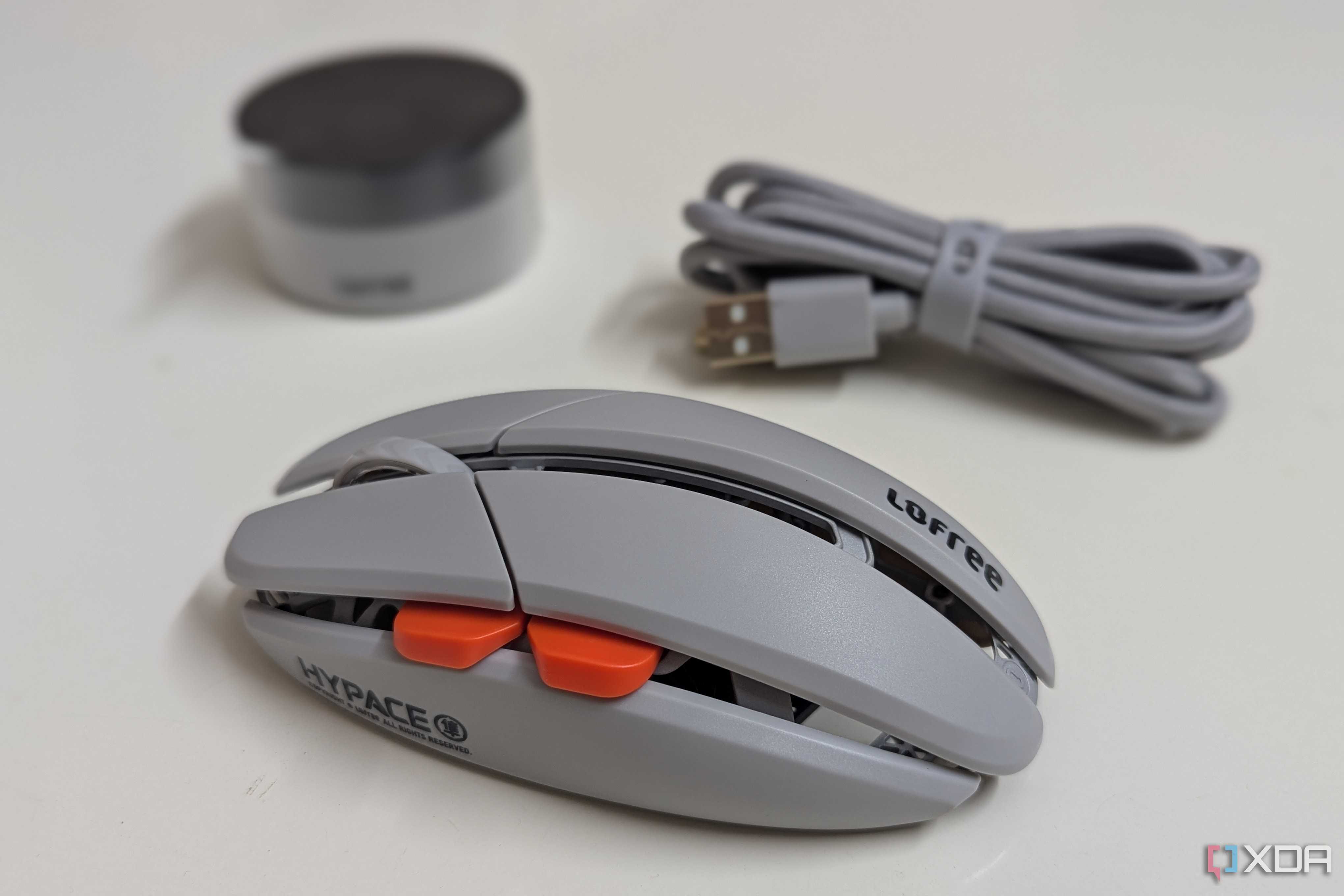
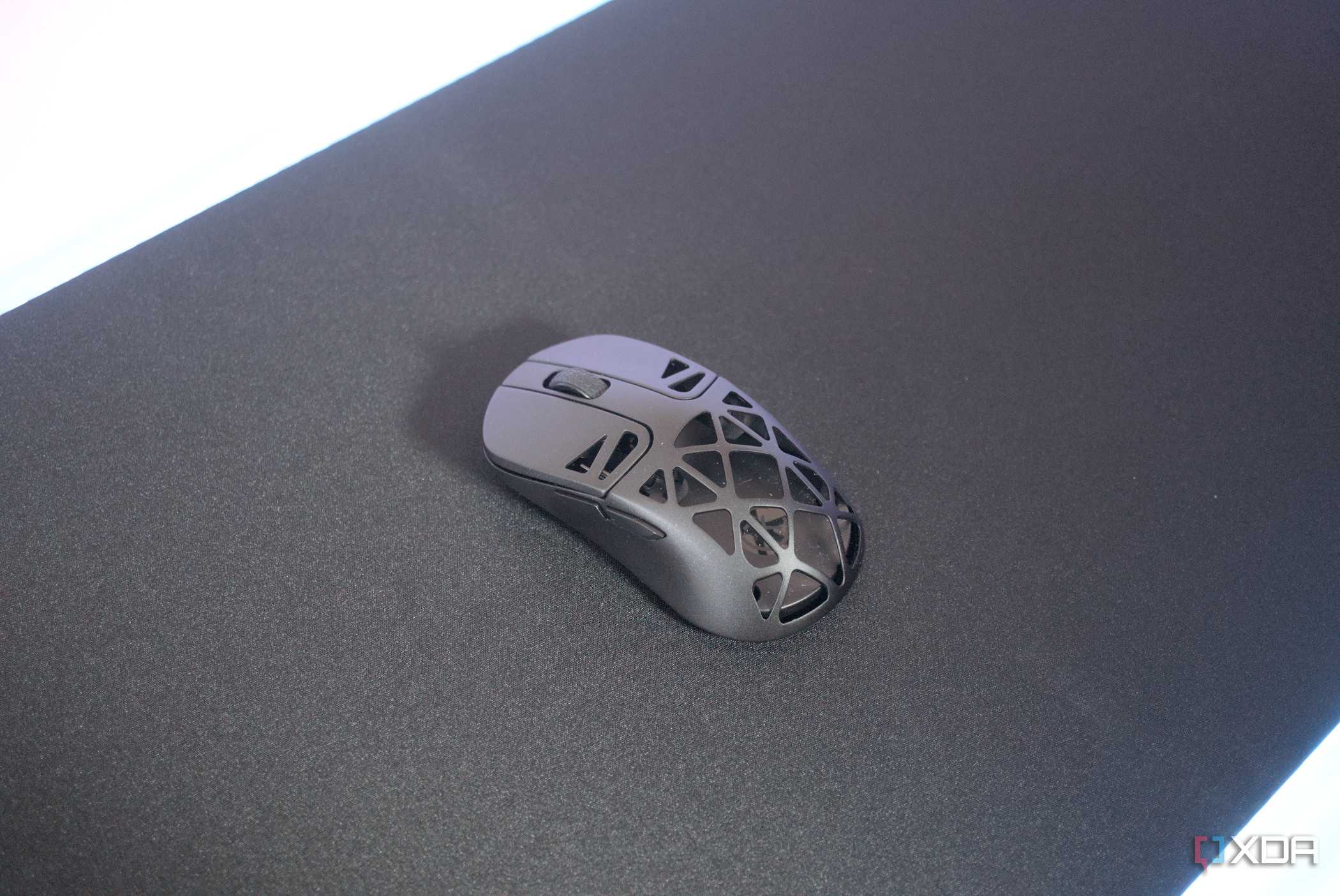
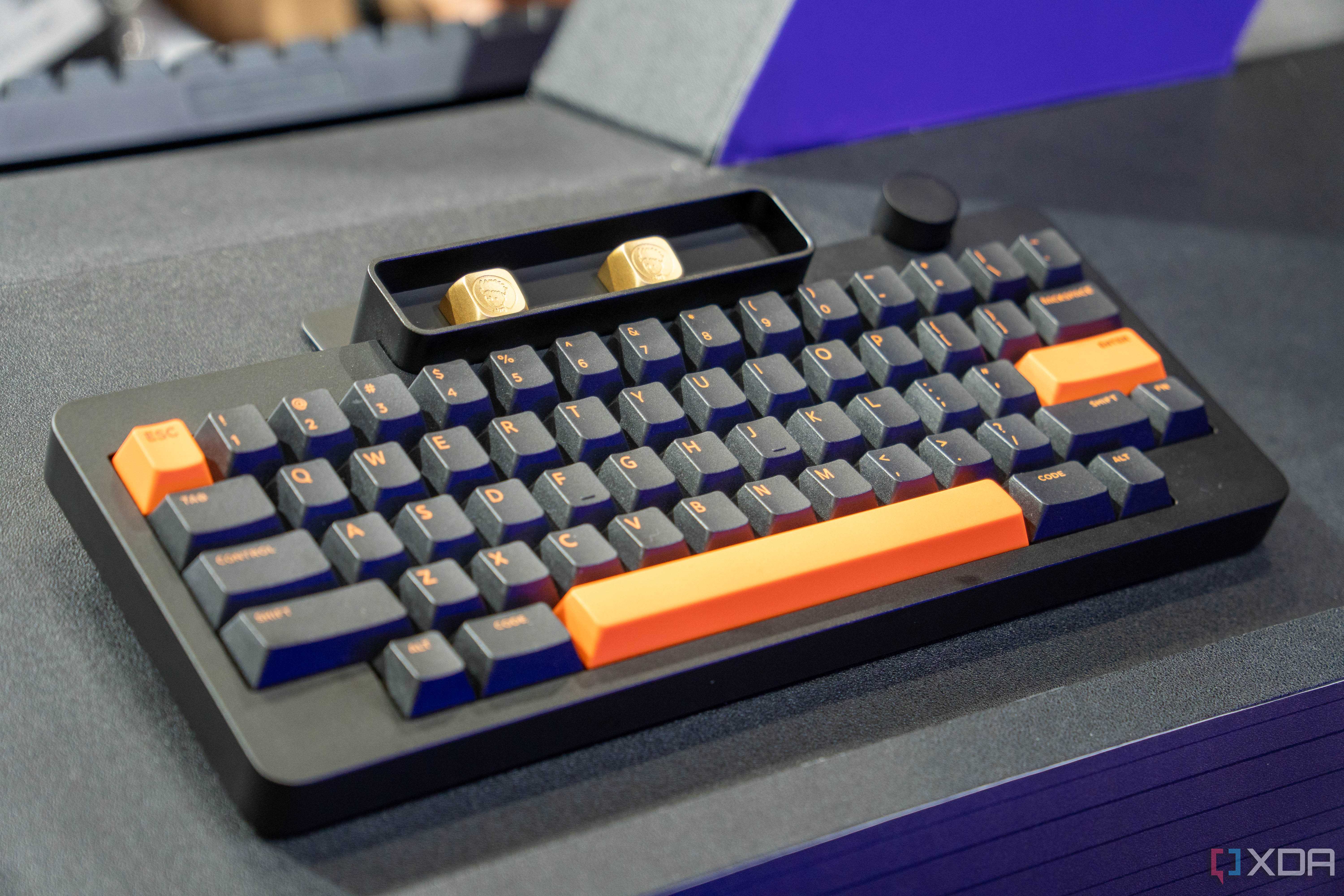
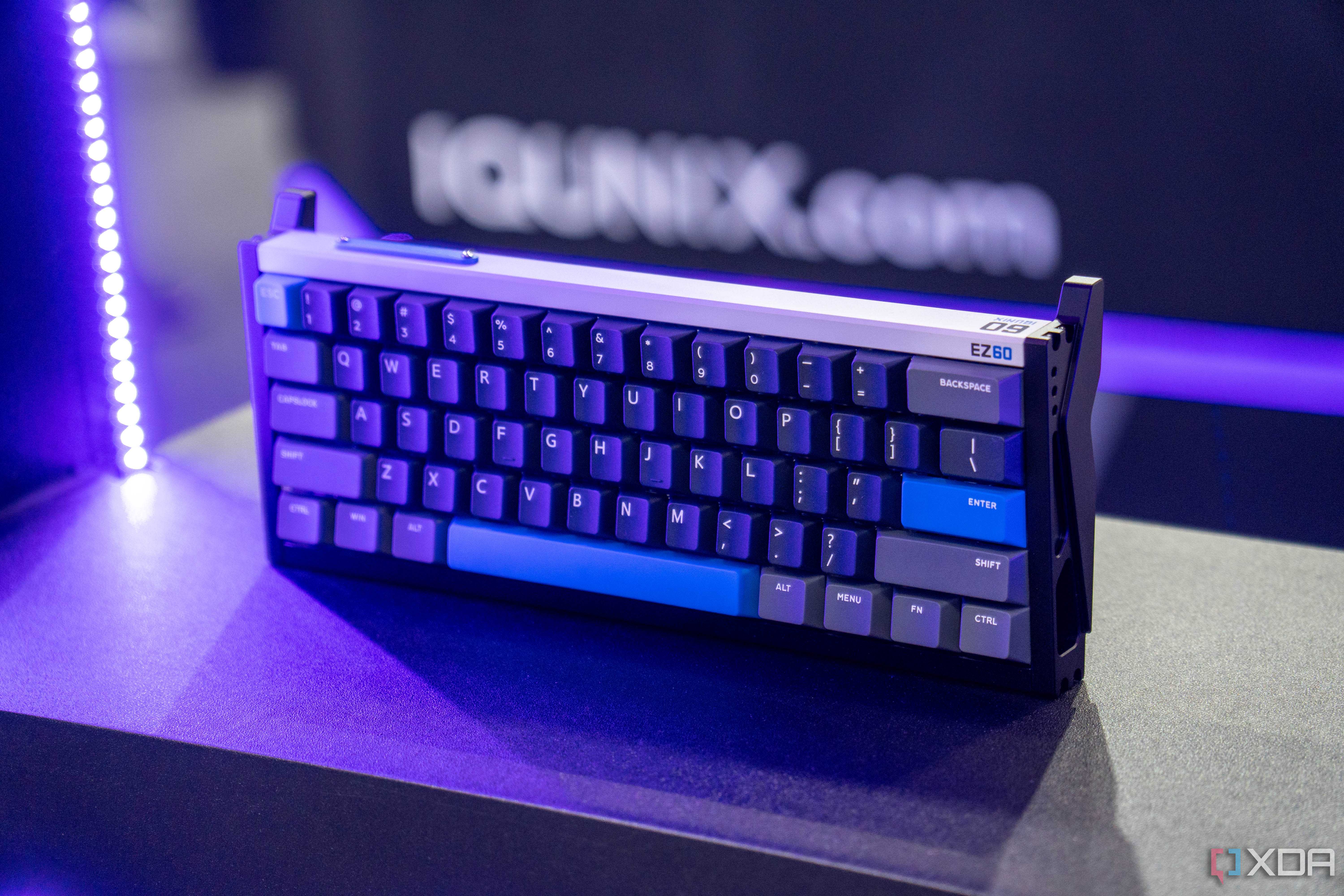

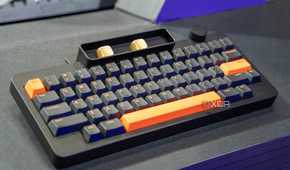
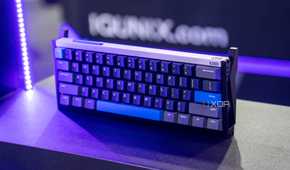
For most gamers, a 1,000Hz polling rate is more than good enough. It offers low input latency and, most importantly, is less taxing on the CPU than the 8KHz polling rate. In 1KHz mode, the gaming mouse, or keyboard reports to the system every one millisecond, which is fast enough even for competitive gaming.
Moving from 1KHz to 8KHz, the theoretical report interval drops from 1ms to 0.125ms. This is a notable difference, but it's worth noting that the improvement is being measured in fractions of a millisecond. With the display refresh rate, overall system latency, and game responsiveness into the equation, the improvement offered by the 8,000Hz mode is much smaller than the headline numbers suggest.
There's also the matter of diminishing returns. Most modern games, especially the non-competitive ones, aren't designed to meaningfully benefit from 8,000 input updates per second. Even some competitive titles tend to be more limited by frame rates, CPU performance, and system responsiveness.
So, if the PC doesn't have an upper mid-range and high-end CPU, it's best to stick with a 1,000Hz polling rate. This avoids the added CPU overhead associated with ultra-high polling rates while retaining a good overall responsiveness.
8KHz polling rate still makes sense for some setups
eSports-focused systems benefit the most

Even though 1KHz is the practical sweet spot for most gamers, 8KHz still makes sense for some. In modern high-end systems, which are specifically built for esports gaming, the additional overhead is far less noticeable. For such setups, the theoretical latency advantage can be achieved without any stability implications coming into the equation.

Wooting 80HE

- Wireless
- No
- Backlight
- RGB
- Media Controls
- Yes (FN key + remappable)
- Switch Type
- Lekker L60/L45
The Wooting 80HE is a premium 8KHz keyboard that's fully customizable, both in a physical and a software sense. You can choose custom keycaps, switches, and control every aspect of the RGB, too.
Ultra-high polling rates also make more sense when the game being played has very high frame rates, and the setup uses a high-refresh-rate monitor. In esports titles where systems are pushing over 300 FPS and there's a 360Hz monitor, for example, every millisecond is relevant.
Faster isn't always better
Instead, it's the hardware balance that matters more

From a technical standpoint, 8KHz polling rates on a gaming keyboard or mouse are impressive, but the real benefit can only be enjoyed when it's for the right system. On lower-end or mid-range systems, sticking to 1,000Hz can result in more consistent performance.
In the end, it's the hardware balance that matters more than having ultra-fast gaming peripherals and pushing them to the max. So, before enabling ultra-high polling rates, it would be worth considering whether the system has the additional overhead to process the interrupts. If not, the smarter move would be to tune the peripherals according to the capabilities of the gaming setup.
