


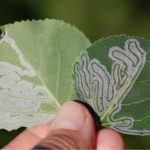
Caterpillars might look small, but can they actually be harmful? Yes, if there are enough of them! Aspen leaf miners are moths as adults, but before that, aspen leaf miner caterpillars are incredible herbivores. In the spring, they lay their eggs on the surface of leaves, and they sink into the outer cell layer. When they hatch, the
herbivory
Can kelp help the plovers?
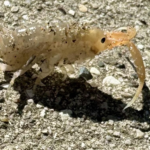
The activities are as follows: It’s a beach day! You’re walking through the sand on a southern California beach, looking for a place to put your things. You notice there are clumps of dried-up seaweed everywhere. As you brush aside some of these clumps to lay out your towel, a shrimp-like bug jumps out at you
How milkweed plants defend against monarch butterflies
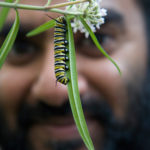
The activities are as follows: For millions of years, monarch butterflies have been antagonizing milkweed plants. Although adult monarchs drink nectar from flowers, their caterpillars only eat milkweed leaves, which harms the plants. This is an ecological interaction called herbivory. The only food for monarchs is milkweed leaves, meaning they have evolved to be highly specialized, picky
Where to find the hungry, hungry herbivores
The activities are as follows: Teacher Guide Student activity, Graph Type A, Level 2 Student activity, Graph Type B, Level 2 Student activity, Graph Type C, Level 2 Grading Rubric Éste Data Nugget también está disponible en Español: Actividad para estudiantes, Tipo de gráfica A Actividad para estudiantes, Tipo de gráfica B Actividad para estudiantes, Tipo
Picky eaters: Dissecting poo to examine moose diets
When you eat at a restaurant, do you always order your favorite meal? Or do you like to look at the menu and try something new? Humans have so many meal options that it can be hard to decide what to eat, but we also have preferences for certain food over others. Animals have fewer
Testing the tolerance of invasive plants
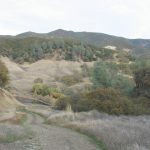
The activities are as follows: Casey is a biologist who grew up with dogs as pets. His dogs were all the same species and had some things in common – they all had a tail, ears, and fur. But, each dog also had its own unique appearance – tail length, ear shape, and fur color. These
Won’t you be my urchin?
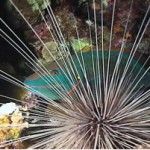
The activities are as follows: Teacher Guide Student activity, Graph Type A, Level 1 Student activity, Graph Type B, Level 1 Student activity, Graph Type C, Level 1 Grading Rubric Éste Data Nugget también está disponible en Español: Actividad para estudiantes, Tipo de gráfica A Actividad para estudiantes, Tipo de gráfica B Actividad para estudiantes, Tipo de
Do invasive species escape their enemies?
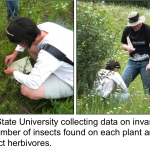
The activities are as follows: Teacher Guide Student activity, Graph Type A, Level 2 Student activity, Graph Type B, Level 2 Student activity, Graph Type C, Level 2 Grading Rubric Invasive species, like zebra mussels and garlic mustard, are species that have been introduced by humans to a new area. Where they invade they cause harm.
Do insects prefer local or foreign foods?

The activities are as follows: Teacher Guide Student Activity, Graph Type A, Level 2 Student Activity, Graph Type B, Level 2 Student Activity, Graph Type C, Level 2 Grading Rubric STATISTICS EXTENSION – Data Worksheet – Student Activity Digital Data Nugget on DataClassroom Insects that feed on plants, called herbivores, can have big effects on how
